
A second cousin is a member of your family tree who shares a great-grandparent with you. In other words, they are the child of one of your parents’ cousins. While second cousins are not as closely related as first cousins, they still share a significant amount of DNA. But how close is a second cousin really? Let’s explore this question further.
The Science of Cousins
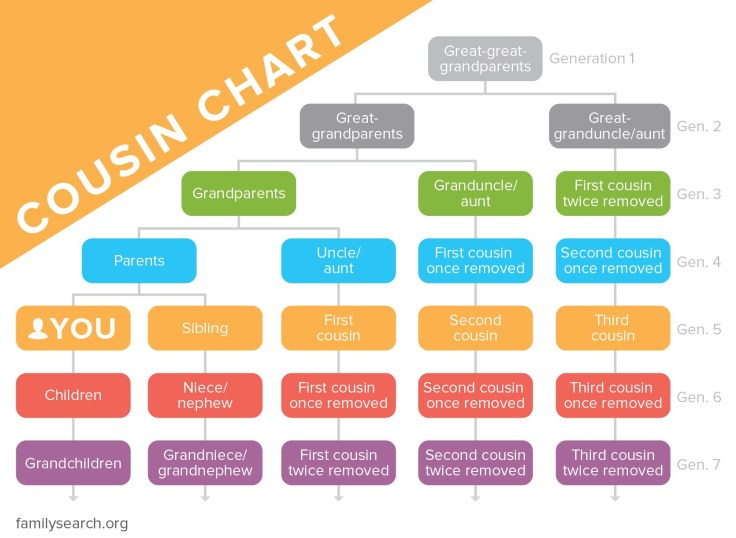
When it comes to understanding the relationship between cousins, it’s helpful to understand a bit about genetics. Our DNA is made up of genes, which determine our traits and characteristics. We inherit half of our genes from our mother and half from our father.
When two people have a child, that child inherits half of their genes from each parent. But when two cousins have a child, that child inherits DNA from both of their common grandparents. This means that second cousins share, on average, about 3.125% of their DNA.
What Does 3.125% Mean?

While 3.125% may not seem like a lot, it’s actually more than you might think. To put it in perspective, first cousins share an average of 12.5% of their DNA, which is four times as much as second cousins. But even with just 3.125% shared DNA, second cousins are still more closely related than most people realize.
For example, if you have a second cousin, you share a great-grandparent with them. This means that your parents and their parents are first cousins, and your grandparents and their grandparents are siblings. While this may seem distant, it’s important to remember that family relationships can be complex and meaningful, regardless of the degree of genetic relatedness.
How Close Is Too Close?

While second cousins are not considered close enough to be illegal to marry in most places, there is still a social stigma attached to the idea of marrying a second cousin. However, it’s important to note that the risk of genetic abnormalities is not significantly higher than it is for the general population.
In fact, studies have shown that the risk of birth defects and genetic disorders is only slightly higher for cousins than it is for unrelated couples. The risk increases with each successive generation of cousin breeding, but the overall risk is still quite low.
The Importance of Family

While the science of genetics can help us understand the degree of relatedness between family members, it’s important to remember that family relationships are about more than just DNA. Whether you’re close with your second cousins or barely know them, they are still a part of your family tree, and that connection can be meaningful in many different ways.
So, how close is a second cousin? While they may not be as closely related as first cousins, they still share a significant amount of DNA and are an important part of your family tree. Whether you’re planning a family reunion or just looking to learn more about your ancestry, understanding the relationships between cousins can be a fascinating and rewarding endeavor.