
When it comes to writing, drawing or sketching, the choice of pencil you use is crucial. The two most commonly used types of pencils are graphite and lead pencils. Both have their own unique properties that make them suitable for different tasks. In this article, we will explore the differences between graphite and lead pencils.
What are Graphite Pencils?
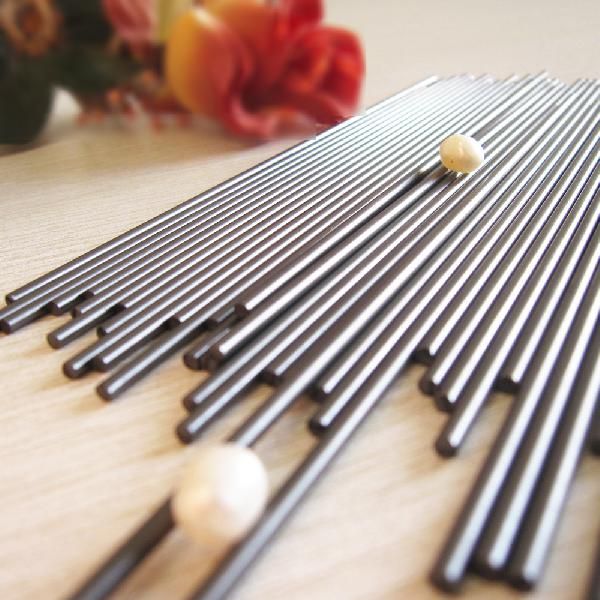
Graphite pencils are made of a mixture of graphite powder and clay. The more graphite powder in the mixture, the softer the pencil. The numbers on the pencil indicate the hardness of the lead, with 9H being the hardest and 9B being the softest. Graphite pencils produce a range of shades from light to dark, making them perfect for sketching and shading.
Graphite pencils are also great for technical drawing, as they produce precise, thin lines. They are commonly used by architects, engineers, and artists alike because of their versatility.
What are Lead Pencils?
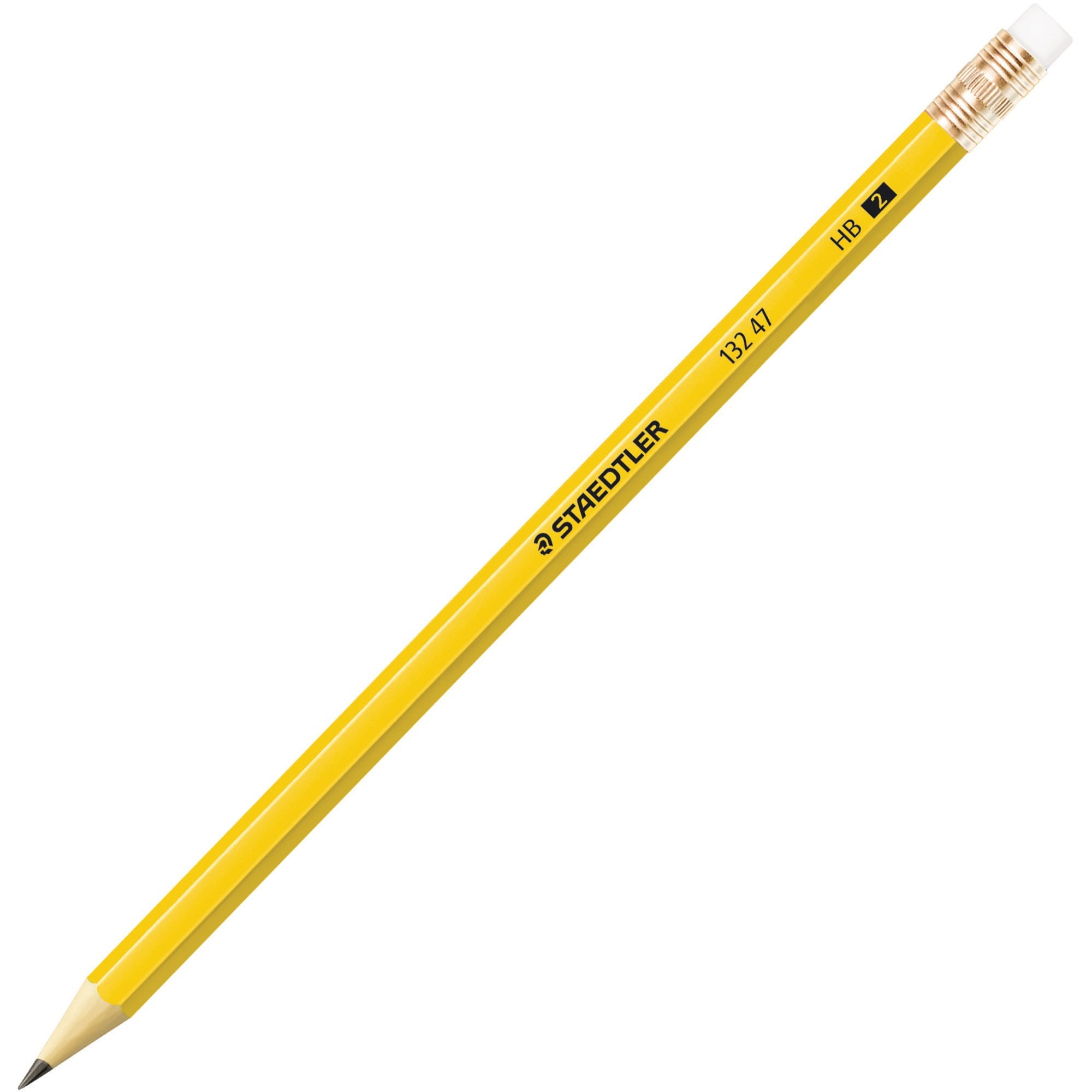
Lead pencils, on the other hand, are made of a mixture of graphite powder and clay, just like graphite pencils. However, lead pencils have a higher proportion of clay, which makes the lead harder than graphite pencils. They are also known as 'hard pencils' and are commonly used for writing, as they create sharp, precise lines that are easy to read.
Lead pencils come in a range of hardness, with H being the hardest and B being the softest. The harder the pencil, the lighter the line it produces. They are commonly used in schools, offices, and homes around the world.
Which is better for writing?

When it comes to writing, lead pencils are the preferred choice. They create sharp, precise lines that are easy to read, making them perfect for note-taking, writing letters, and filling out forms. Graphite pencils, on the other hand, produce a range of shades, which can make your writing difficult to read.
Which is better for drawing?
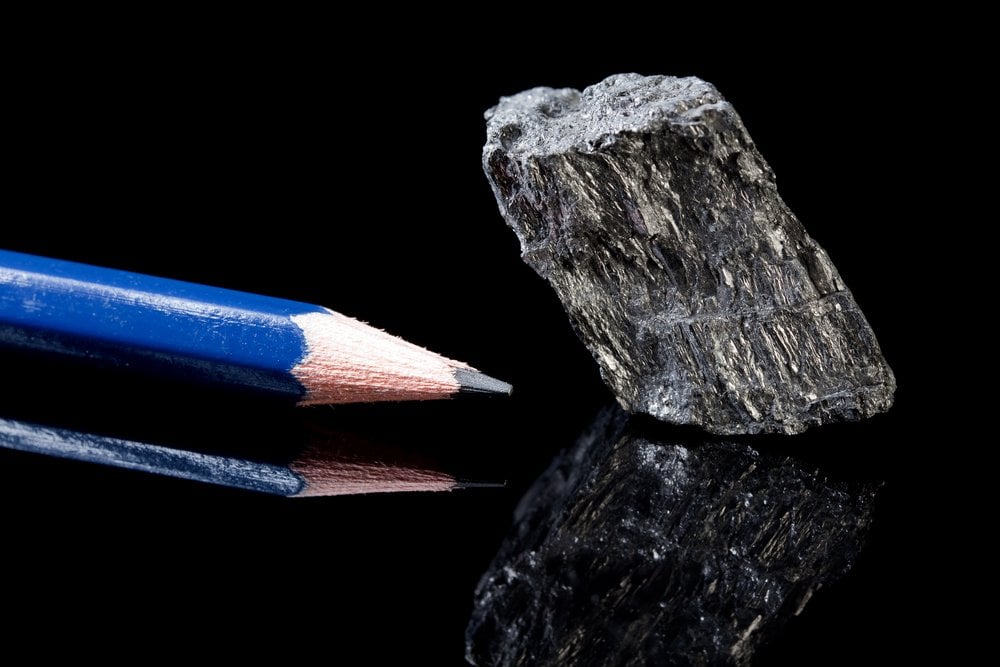
For drawing and sketching, graphite pencils are the preferred choice. They produce a range of shades from light to dark, making them perfect for shading and creating depth. Lead pencils, on the other hand, produce light lines that are difficult to shade and blend.
Which is better for technical drawing?

For technical drawing, graphite pencils are the preferred choice. They produce precise, thin lines that are perfect for technical drawings and diagrams. Lead pencils, on the other hand, produce thicker lines that are not suitable for technical drawing.
Which is more expensive?
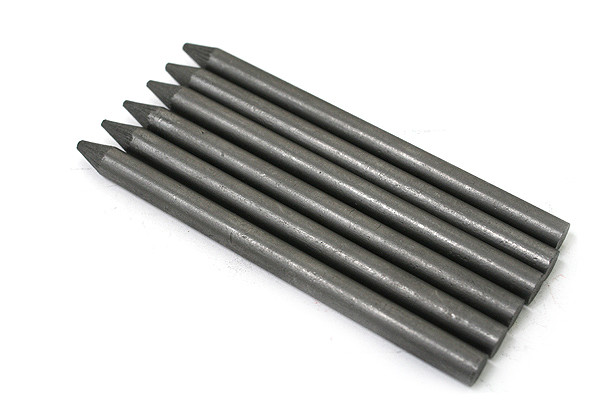
When it comes to price, both graphite and lead pencils are relatively inexpensive. However, graphite pencils tend to be more expensive than lead pencils, especially if you opt for the softer 9B pencils. In general, the price of a pencil depends on the brand and quality of the pencil.
Conclusion
So, which is better, graphite or lead pencils? The answer depends on what you want to use the pencil for. If you want to write, a lead pencil is the best choice, while graphite pencils are better for drawing and shading. If you need to produce technical drawings, graphite pencils are the way to go. Both pencils are relatively inexpensive, with graphite pencils being slightly more expensive than lead pencils.