
Pearls are one of the most valuable and sought-after gems in the world. They have been used for centuries to adorn jewelry, clothing, and even furniture. But have you ever wondered how these beautiful gems are created? The answer lies in the humble oyster.
The Anatomy of an Oyster
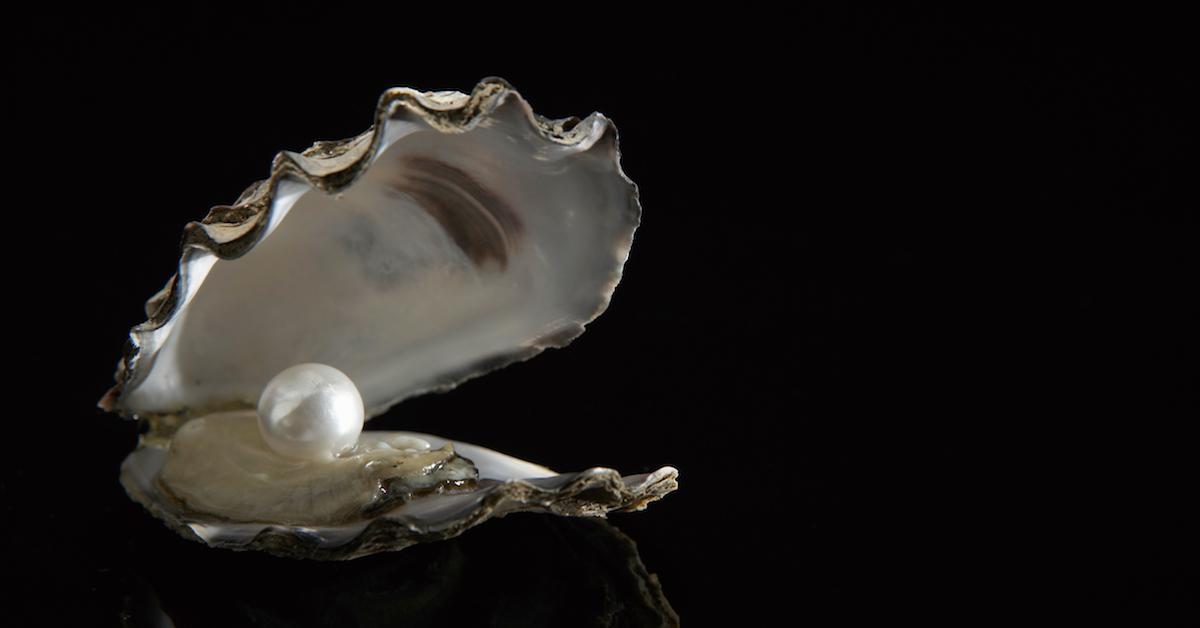
An oyster is a bivalve mollusk that lives in shallow waters. Its shell is made up of two parts, which are hinged together. The inside of the shell is lined with a layer of cells called the mantle. This is the organ that produces the oyster's shell and, in the case of some oysters, pearls.
The Pearl Formation Process
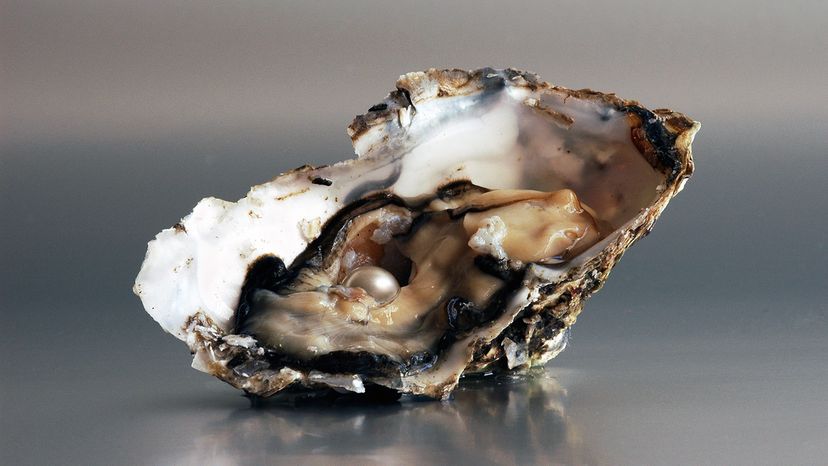
When an irritant, such as a grain of sand, enters the oyster's shell, the mantle cells begin to secrete a substance called nacre. Nacre is made up of microscopic crystals of calcium carbonate, which are arranged in layers. These layers build up around the irritant, forming a pearl.
The size, shape, and color of the pearl depend on several factors, including the type of oyster that produced it, the size and shape of the irritant, and the conditions in which the oyster was living.
The Different Types of Pearls
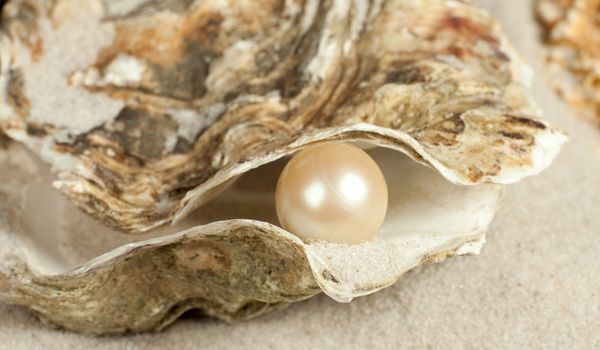
There are several types of pearls, including natural pearls, cultured pearls, and imitation pearls. Natural pearls are extremely rare and valuable, as they are formed without human intervention. Cultured pearls are created by placing a small bead or piece of tissue inside an oyster and then returning it to the water. The oyster will then begin to coat the irritant with nacre, forming a pearl.
Imitation pearls, on the other hand, are made from materials such as glass or plastic and are designed to look like real pearls.
The Harvesting Process

Once a pearl has been formed, it must be harvested from the oyster. This is typically done by opening the oyster's shell and removing the pearl by hand. The oyster is then returned to the water, where it can continue to produce pearls.
Harvesting pearls can be a dangerous and difficult process, as it requires skilled divers to retrieve the oysters from the ocean floor. However, advances in technology have made it easier and safer to harvest pearls.
The Value of Pearls
Pearls have been prized for their beauty and rarity for centuries. They have been used as currency, gifts, and symbols of status and wealth. Today, pearls are still highly valued and can command high prices at auction.
The value of a pearl depends on several factors, including its size, shape, color, and luster. Natural pearls are typically more valuable than cultured pearls, as they are much rarer.
Conclusion
In conclusion, pearls are created by oysters through a complex process that involves the secretion of nacre around an irritant. The resulting gem can be of great value and beauty. Whether you own a pearl necklace or simply appreciate their beauty, it's clear that pearls are truly one of nature's wonders.