Executioners are people who are responsible for carrying out executions, usually by means of hanging, beheading, or electrocution. The job of an executioner is one that is not only difficult but also controversial. Many people wonder how executioners are chosen and what qualifications they must possess. In this article, we will explore the process of selecting executioners and the requirements for the job.
The History of Executioners

The history of executioners can be traced back to ancient times when they were used to carry out public executions. In medieval Europe, executioners were often seen as outcasts and were shunned by society. They were considered unclean and were not allowed to associate with the general population. In some cases, executioners were required to wear special clothing or carry a bell to warn people of their approach.
The Role of an Executioner
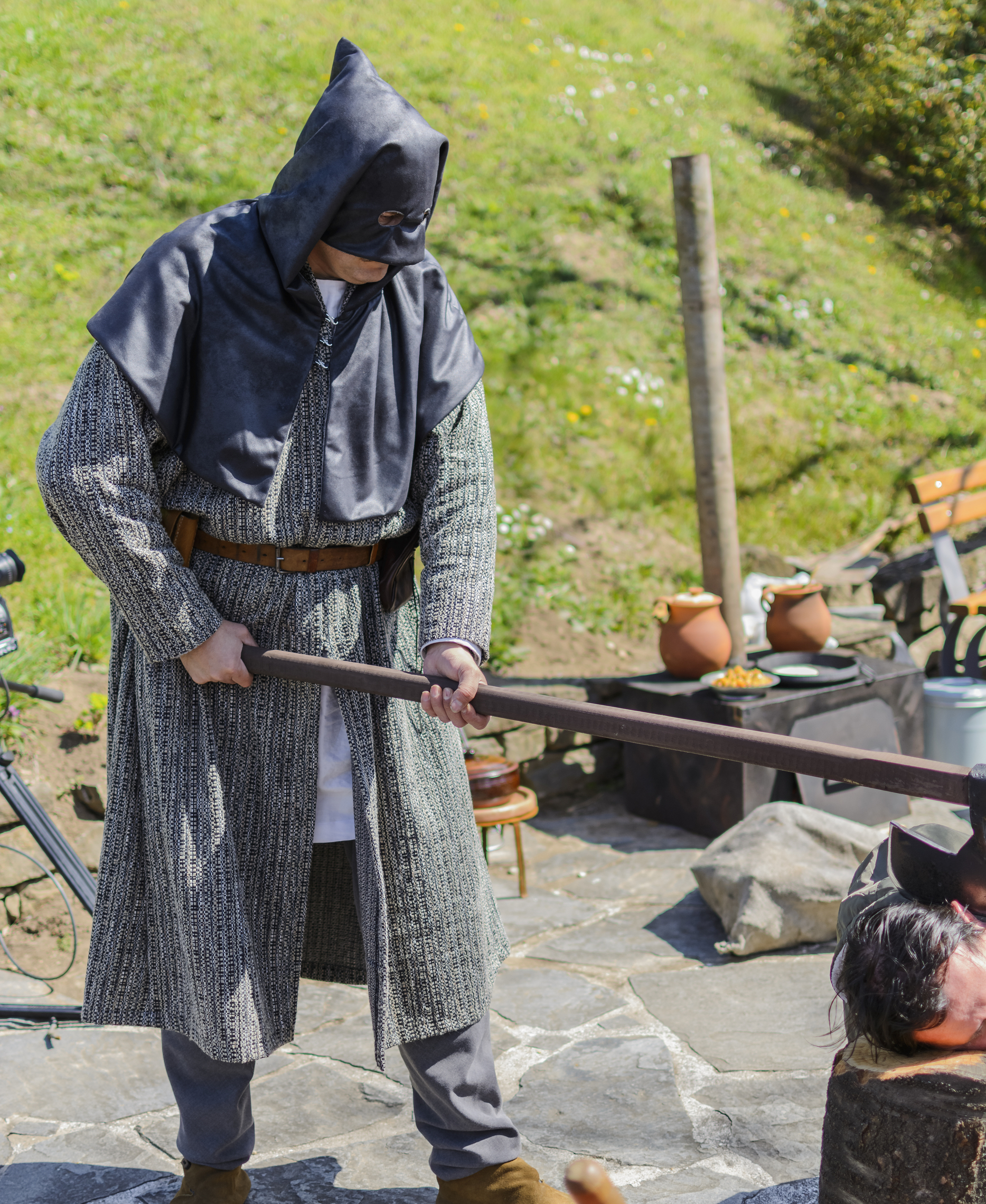
The role of an executioner is to carry out the sentence of the court. In some cases, they may also be responsible for preparing the condemned person for execution. This can include shaving their head, binding their hands and feet, and placing a hood over their head.
The Qualifications for the Job

There are no specific qualifications required for the job of an executioner. However, most executioners are appointed by the state and are required to pass a background check and a psychological evaluation. They must also be physically fit and able to carry out the duties of the job.
The Selection Process

The selection process for executioners varies depending on the state or country. In some cases, the position may be filled by a member of the prison staff or law enforcement agency. In other cases, the position may be advertised and open to the public. In either case, the candidate must meet the qualifications and pass the required tests.
The Training Process

Once selected, the executioner must undergo training to prepare them for the job. This can include learning about the various methods of execution and how to carry them out safely and effectively. They may also receive training on how to handle the emotional and psychological impact of the job.
The Ethics of Execution

The ethics of execution are a controversial topic, with many people questioning the morality of the death penalty. Some argue that it is a necessary punishment for certain crimes, while others believe that it is cruel and inhumane. As an executioner, it is important to understand the ethical implications of the job and to carry out the sentence with respect and dignity.
The Challenges of the Job

The job of an executioner is not an easy one, both physically and emotionally. Executioners must be able to carry out their duties without hesitation, even when faced with resistance from the condemned person or their family. They must also be able to handle the emotional toll of the job and find ways to cope with the stress and trauma.
The Future of Executioners

The use of executioners is becoming less common as more and more countries abolish the death penalty. However, there are still many countries that continue to use execution as a form of punishment. As long as the death penalty exists, there will be a need for executioners to carry out the sentences of the court.
Conclusion
The job of an executioner is one that is both difficult and controversial. Despite the ethical questions surrounding the death penalty, there will always be a need for executioners to carry out the sentences of the court. While there are no specific qualifications required for the job, executioners must be physically and emotionally prepared to handle the challenges that come with the job. The selection process and training vary depending on the state or country, but all executioners must be prepared to carry out their duties with respect and dignity.