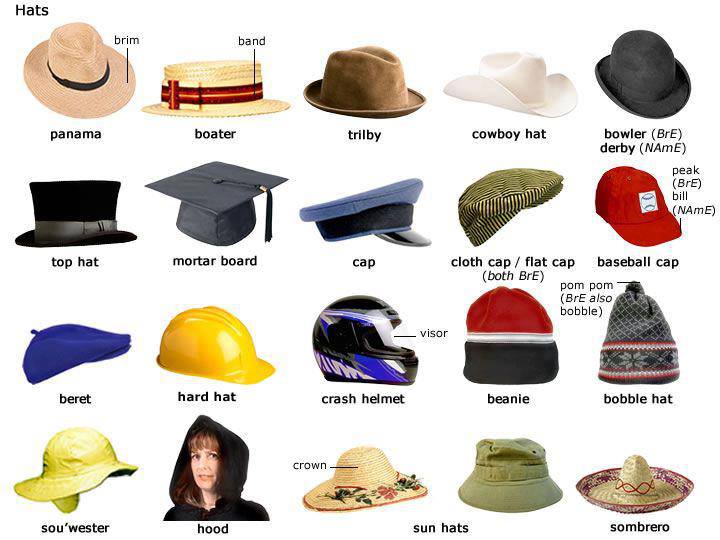
Have you ever heard the phrase "hat on a hat"? It's an expression that's often used in the creative world, particularly in the entertainment industry. But what does it actually mean? In this article, we'll explore the meaning of "hat on a hat" and how it can be applied in various contexts.
What is "Hat On A Hat"?
The phrase "hat on a hat" refers to the act of adding an unnecessary or redundant element to something that is already complete or effective. It's like wearing two hats on top of each other - the second one doesn't serve any real purpose and only detracts from the overall look.

In the creative world, "hat on a hat" is often used to describe situations where an artist or designer has added too many elements to a project, making it cluttered or confusing. This can happen when someone is trying to overcompensate for a lack of ideas or is trying to make something look more impressive than it really is.
Examples of "Hat On A Hat"
Let's take a look at some examples of "hat on a hat" in different contexts:
1. Comedy
In comedy, "hat on a hat" can refer to a joke that is too obvious or redundant. For example, if a comedian tells a joke and then immediately explains why it's funny, it's like adding a second hat on top of the first one. The explanation doesn't add anything new and only detracts from the joke's impact.

2. Music
In music, "hat on a hat" can refer to a song that has too many elements or is overproduced. For example, if a song has a catchy melody but also includes unnecessary sound effects and vocal effects, it's like wearing two hats on top of each other. The additional elements don't enhance the song and only make it harder to listen to.

3. Design
In design, "hat on a hat" can refer to a project that has too many visual elements or is cluttered. For example, if a website has a lot of text, images, and animations all competing for attention, it's like wearing two hats on top of each other. The excess elements don't make the website more effective and only make it harder to navigate.
How to Avoid "Hat On A Hat"
To avoid "hat on a hat" in your own creative projects, it's important to stay focused on your goals and avoid adding unnecessary elements. Here are some tips:
1. Keep it simple
Don't add elements just for the sake of it. Only include things that serve a purpose and enhance the overall project.
2. Know your audience
Understand who your project is for and what they want. Don't add elements that your audience won't appreciate or understand.
3. Get feedback
Ask others for their opinions on your project. They may be able to spot redundancies or unnecessary elements that you missed.
Conclusion
"Hat on a hat" is a useful expression to describe situations where something has been overcomplicated or cluttered with unnecessary elements. By staying focused on your goals and being mindful of your audience, you can avoid "hat on a hat" and create effective and impactful creative projects.