Pasteurization is a process that involves heating liquids or food products to a specific temperature and holding them there for a certain amount of time to kill bacteria and other harmful organisms. This process was developed by French scientist Louis Pasteur in the 19th century and has since become a widely used method of preserving food and ensuring its safety for consumption.
The History of Pasteurization
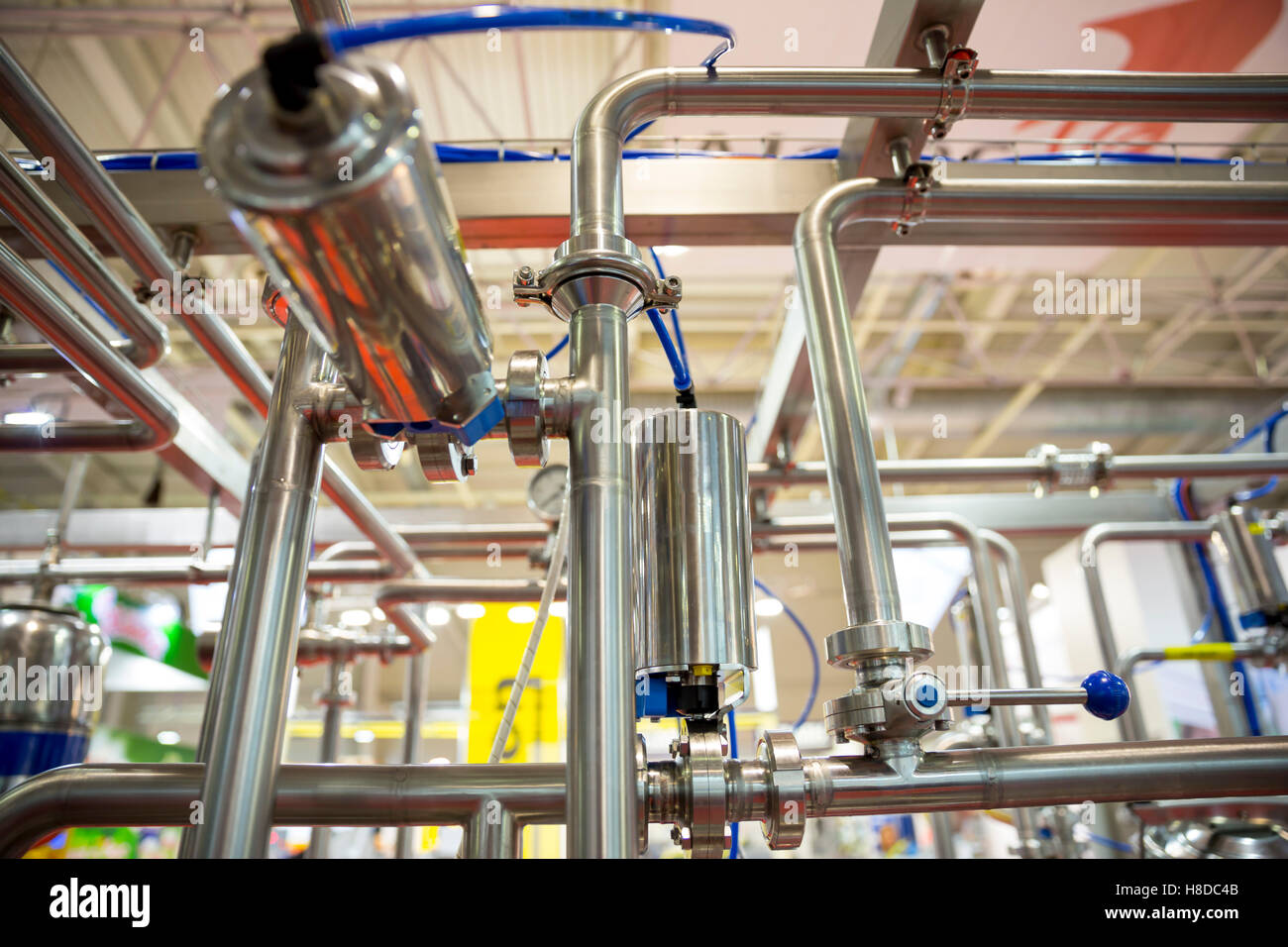
The process of pasteurization was named after its inventor, Louis Pasteur, who discovered that heating wine to a specific temperature could prevent it from spoiling. He later applied this principle to milk, which was a major source of foodborne illness at the time.
In the early days of pasteurization, milk was heated to around 60°C for 30 minutes, a process that was enough to kill most of the harmful bacteria. However, as technology improved, the process was refined, and today, milk is typically pasteurized at a higher temperature for a shorter period of time.
The Significance of Pasteurization
:max_bytes(150000):strip_icc()/quality-control-183861941-5bccbcad46e0fb0051d8c482.jpg)
The significance of pasteurization cannot be overstated. Without this process, many food products would be unsafe for consumption, and foodborne illness would be much more common.
Pasteurization is particularly important for milk, which is a highly perishable food product that is susceptible to contamination from bacteria such as Salmonella and Escherichia coli (E. coli). By heating milk to a specific temperature, pasteurization effectively kills these harmful bacteria, making the milk safe for consumption.
Other food products that are commonly pasteurized include fruit juices, beer, and wine. These products are at risk of contamination from bacteria and other microorganisms during the production process, and pasteurization helps to ensure their safety for consumption.
The Benefits of Pasteurization

The benefits of pasteurization are numerous. One of the most significant benefits is that it helps to prevent foodborne illness. By killing harmful bacteria and other microorganisms, pasteurization ensures that food products are safe for consumption.
Another benefit of pasteurization is that it helps to extend the shelf life of food products. By killing bacteria and other microorganisms that cause spoilage, pasteurization helps to preserve the quality and freshness of food products for a longer period of time.
Finally, pasteurization is a relatively simple and cost-effective process. It can be easily integrated into existing food production processes, and it requires minimal equipment and training.
The Process of Pasteurization
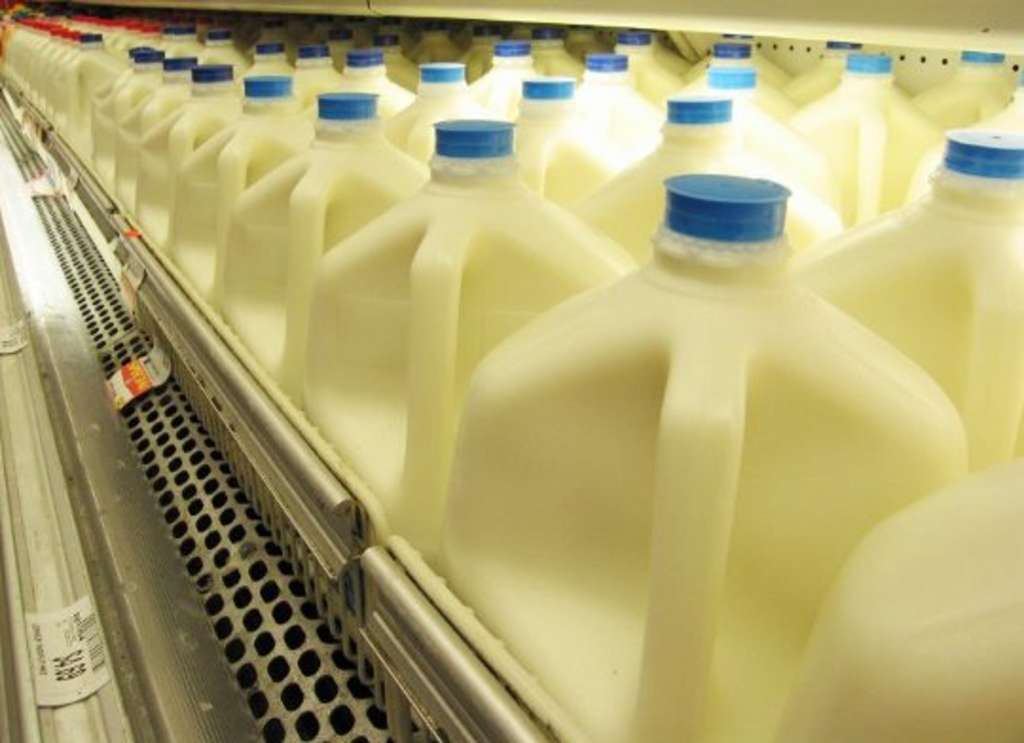
The process of pasteurization involves heating a liquid or food product to a specific temperature and holding it there for a certain amount of time. The exact temperature and time required for pasteurization depend on the type of product being pasteurized and the specific microorganisms that are being targeted.
In general, most food products are pasteurized at temperatures between 62°C and 85°C for anywhere from a few seconds to several minutes. The exact temperature and time required for pasteurization are determined through a process of trial and error, and they may vary depending on factors such as the pH of the product and the type of microorganisms present.
The Different Types of Pasteurization
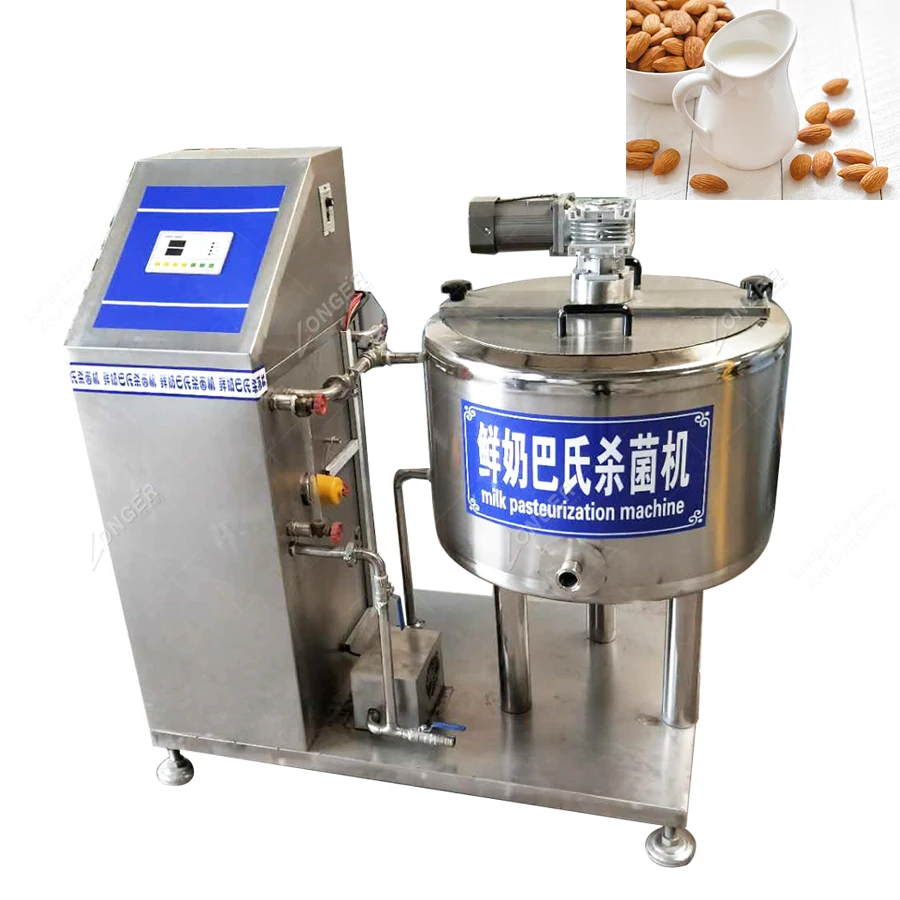
There are several different types of pasteurization, each of which is designed to achieve a specific outcome. These include:
- High-temperature short-time (HTST) pasteurization: This involves heating a liquid or food product to a high temperature (usually around 72°C) for a short period of time (usually around 15 seconds).
- Ultra-high-temperature (UHT) pasteurization: This involves heating a liquid or food product to an extremely high temperature (usually around 135°C) for a very short period of time (usually less than a second).
- Batch pasteurization: This involves heating a liquid or food product in a batch process, typically in a large vat or tank, for a specific amount of time.
- Low-temperature long-time (LTLT) pasteurization: This involves heating a liquid or food product to a lower temperature (usually around 63°C) for a longer period of time (usually around 30 minutes).
The Drawbacks of Pasteurization
While pasteurization is an effective method of preserving food and ensuring its safety for consumption, there are some drawbacks to the process.
One of the main drawbacks of pasteurization is that it can also destroy some of the beneficial microorganisms that are present in food products. For example, some types of cheese are made using bacteria that are killed during the pasteurization process, which can affect the flavor and texture of the cheese.
Another drawback of pasteurization is that it can reduce the nutritional value of food products. For example, pasteurization can destroy some of the vitamins and enzymes that are naturally present in milk, which can make it less nutritious than raw milk.
The Debate Over Raw Milk

Raw milk is milk that has not been pasteurized. Some people believe that raw milk is healthier and more nutritious than pasteurized milk, while others argue that it is more dangerous because it can contain harmful bacteria.
The debate over raw milk is a contentious one, with advocates on both sides arguing fiercely for their position. Proponents of raw milk argue that it contains beneficial enzymes and bacteria that are destroyed during pasteurization, making it healthier and more nutritious than pasteurized milk.
Opponents of raw milk argue that it is more dangerous than pasteurized milk because it can contain harmful bacteria such as E. coli and Salmonella. They also point out that pasteurization is a proven method of ensuring the safety of milk and other food products and that there is no evidence to suggest that raw milk is any healthier than pasteurized milk.
Conclusion
Pasteurization is a process that has revolutionized the food industry by making it possible to preserve food products and ensure their safety for consumption. While there are some drawbacks to the process, the benefits of pasteurization far outweigh the drawbacks, and it is a vital tool in the fight against foodborne illness.