Genghis Khan, the founder and first emperor of the Mongol Empire, is known for his military prowess and conquests that led to the creation of one of the largest empires in history. But did you know that he has left a genetic legacy that can still be traced today?

The Genetic Legacy of Genghis Khan
Genghis Khan is estimated to have lived between 1162 and 1227. During his lifetime, he is said to have fathered many children, and his descendants are believed to number in the millions today. In fact, a 2003 study found that as many as 16 million men in Central Asia may be direct descendants of Genghis Khan.
The study, which was published in the American Journal of Human Genetics, analyzed the Y chromosomes of over 2,000 men from Central Asia and found that a specific genetic marker known as M17 was present in a high percentage of them.
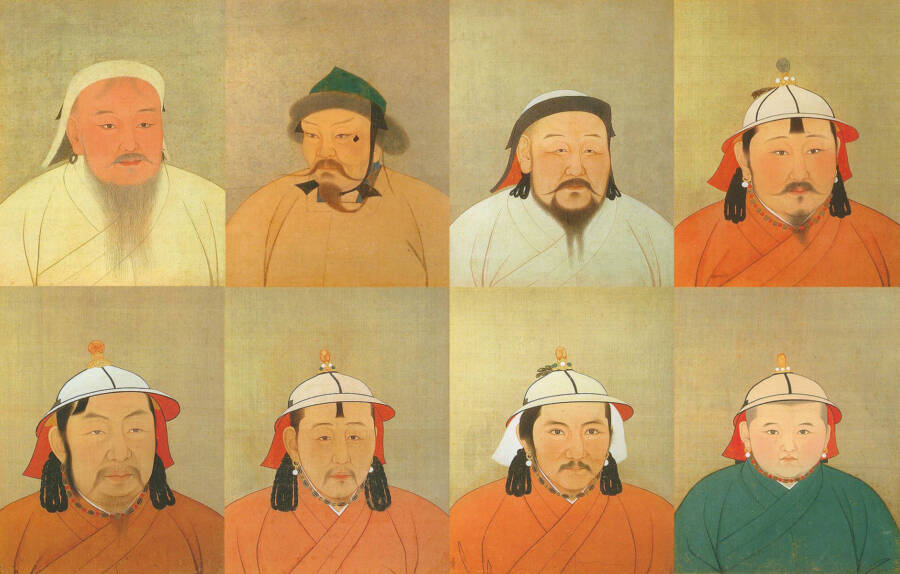
The Spread of Genghis Khan's DNA
The M17 genetic marker is believed to have originated in Mongolia and spread throughout Central Asia as a result of Genghis Khan's conquests. As his armies swept across the region, they not only conquered new territories but also left behind a genetic legacy that continues to this day.
It's important to note, however, that not all of Genghis Khan's descendants carry the M17 marker. While the marker is present in a significant percentage of men in Central Asia, it is not found in all of them. Additionally, women cannot pass on the marker, so the genetic legacy of Genghis Khan is primarily traced through his male descendants.

Tracing Genghis Khan's Ancestry
Thanks to advancements in genetic technology, it is now possible to trace a person's ancestry through DNA testing. While it is not possible to definitively prove that someone is a direct descendant of Genghis Khan, it is possible to determine if they carry the M17 genetic marker.
In recent years, several studies have been conducted to trace Genghis Khan's ancestry. One of the most notable studies was conducted in 2003 by a team of geneticists led by Dr. Chris Tyler-Smith of the Wellcome Trust Sanger Institute in the UK. The team analyzed DNA samples from several of Genghis Khan's direct male descendants and compared them to the DNA of the general population in Mongolia and other parts of Central Asia.
The Controversy Surrounding Genghis Khan's DNA
While the study conducted by Dr. Tyler-Smith and his team has shed light on the genetic legacy of Genghis Khan, it has also sparked controversy. Some people have criticized the study for perpetuating stereotypes about the so-called "barbaric" nature of the Mongol Empire and for ignoring the fact that Genghis Khan's legacy extends beyond his military conquests.
Others have pointed out that the study only focuses on the male line of descent and ignores the genetic legacy of Genghis Khan's female descendants. While it's true that women cannot pass on the M17 marker, they can still carry other genetic markers that are unique to Genghis Khan's lineage.

Conclusion
Genghis Khan may have lived over 800 years ago, but his legacy continues to fascinate and intrigue people around the world. Thanks to genetic technology, we are able to trace his genetic legacy and uncover new information about his ancestry and the spread of his DNA throughout Central Asia.
While there is still much we don't know about Genghis Khan and his descendants, one thing is clear: his influence on history and culture is undeniable, and his legacy will continue to be studied and celebrated for generations to come.