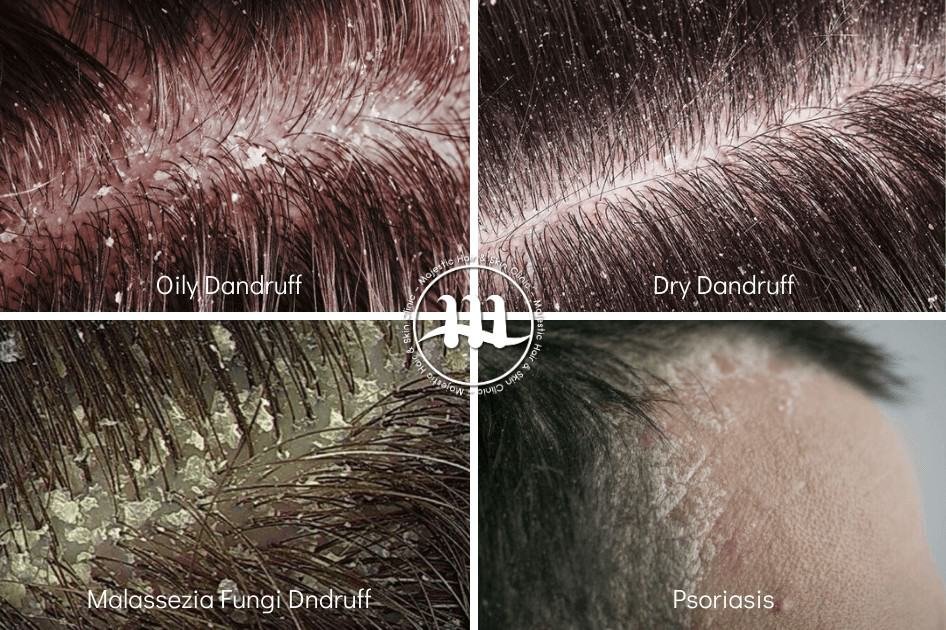
Dandruff is a common condition that affects many people around the world. It is characterized by the presence of white flakes on the scalp and hair. While the exact cause of dandruff is not fully understood, one of the most common factors is a fungus called Malassezia.
What is Malassezia?
Malassezia is a type of fungus that is naturally found on the scalp of most people. It feeds on the sebum, or oil, produced by the scalp and hair follicles. In small amounts, Malassezia is harmless and does not cause any symptoms. However, in some people, it can grow out of control and cause dandruff.

How Does Malassezia Cause Dandruff?
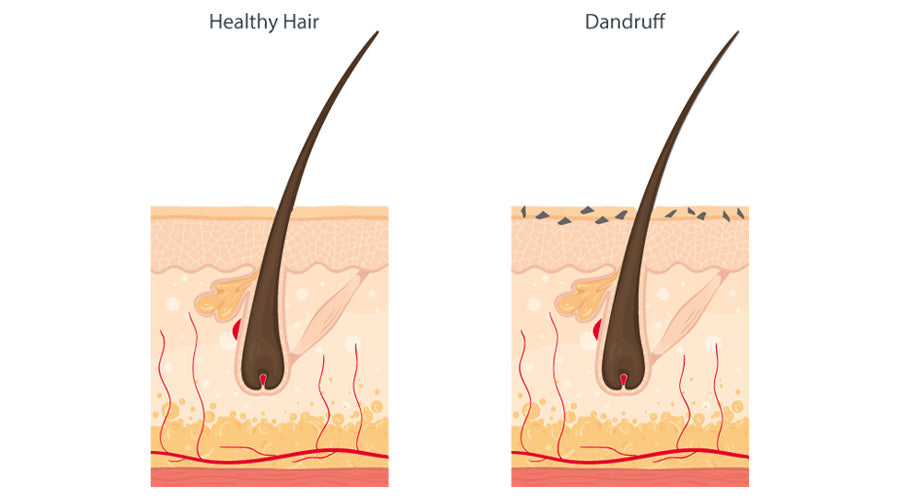
When Malassezia grows out of control, it can irritate the scalp and cause inflammation. This can lead to an increase in the production of skin cells on the scalp, which then shed and form flakes of dandruff. The fungus may also produce substances that trigger an immune response, further contributing to the inflammation and itching associated with dandruff.
Who is at Risk of Developing Dandruff?
Anyone can develop dandruff, but some people are more at risk than others. Factors that may increase the risk of developing dandruff include:
- Oily scalp
- Stress
- Hormonal changes
- Age (dandruff is more common in adults than children)
- Poor hygiene
- Weather changes (such as cold, dry weather)

How is Dandruff Diagnosed?
Dandruff is usually diagnosed based on its appearance and symptoms. A doctor or dermatologist may examine the scalp and look for signs of inflammation, redness, or scaling. In some cases, they may take a sample of skin cells from the scalp to examine under a microscope and confirm the presence of Malassezia.
How is Dandruff Treated?
There are several treatments available for dandruff, including:
- Anti-dandruff shampoos containing ingredients such as salicylic acid, coal tar, or zinc pyrithione
- Topical antifungal medications
- Oral antifungal medications (in severe cases)
- Corticosteroid creams or lotions (for inflammation)
Treatment for dandruff is usually effective, but it may take several weeks or months to see a significant improvement. It is important to follow the instructions of your doctor or dermatologist and use any medications as directed.
Preventing Dandruff
While dandruff cannot always be prevented, there are some steps you can take to minimize your risk:
- Wash your hair regularly with a mild shampoo
- Avoid using too many hair products
- Limit your exposure to extreme weather conditions
- Manage stress through relaxation techniques or exercise
- Eat a healthy, balanced diet
Conclusion
Dandruff is a common condition that can be caused by a variety of factors, including the overgrowth of Malassezia fungus on the scalp. While it can be frustrating and embarrassing, there are effective treatments available to manage the symptoms of dandruff. By following good hygiene practices and taking steps to reduce your risk, you can help prevent dandruff from developing in the first place.