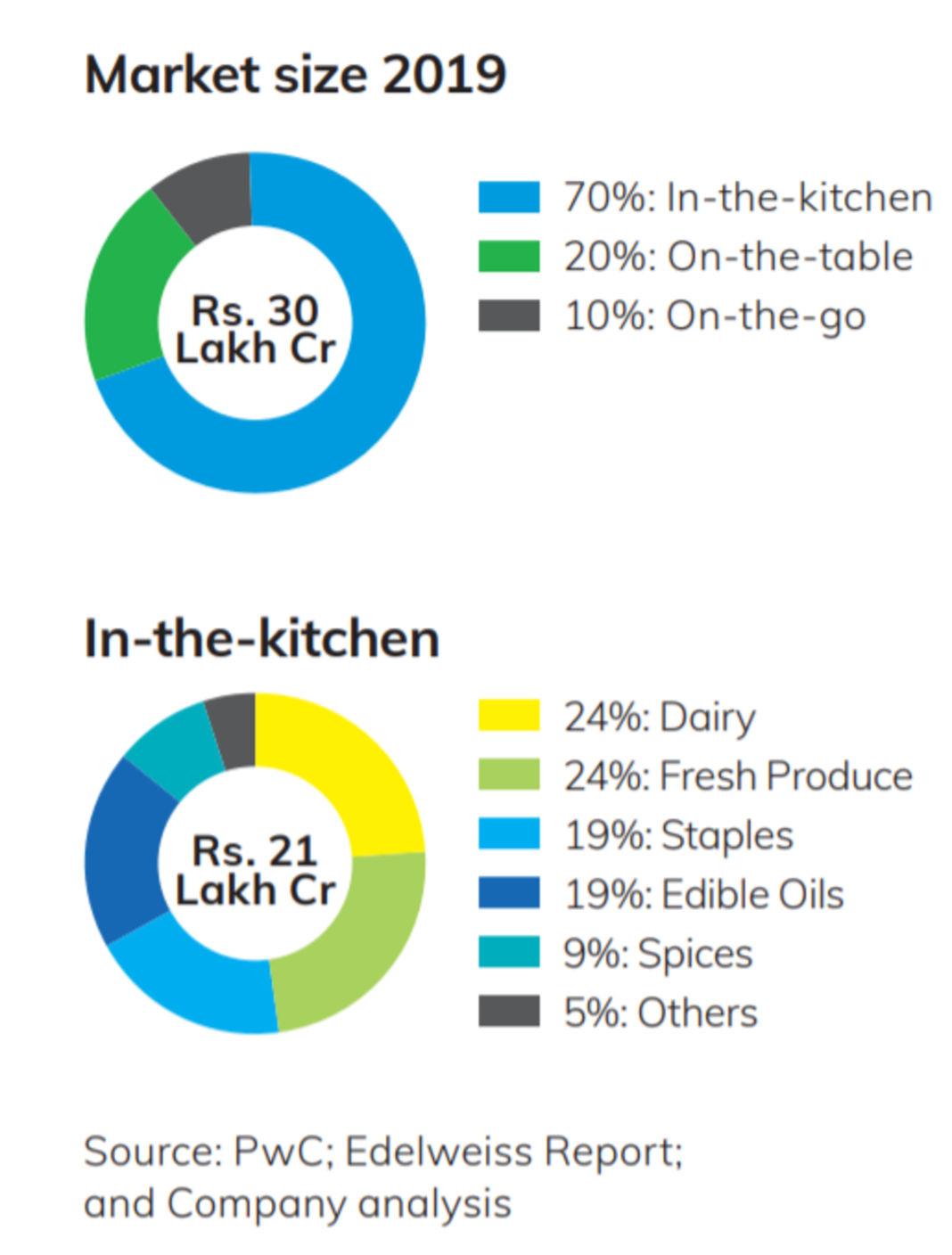
Food industry is a major sector of the economy, and it plays a crucial role in feeding the population. It employs millions of people worldwide and contributes significantly to the GDP of countries. However, the industry is subject to government regulation, and the relationship between the food industry and government is complex and multifaceted.
Regulatory Framework

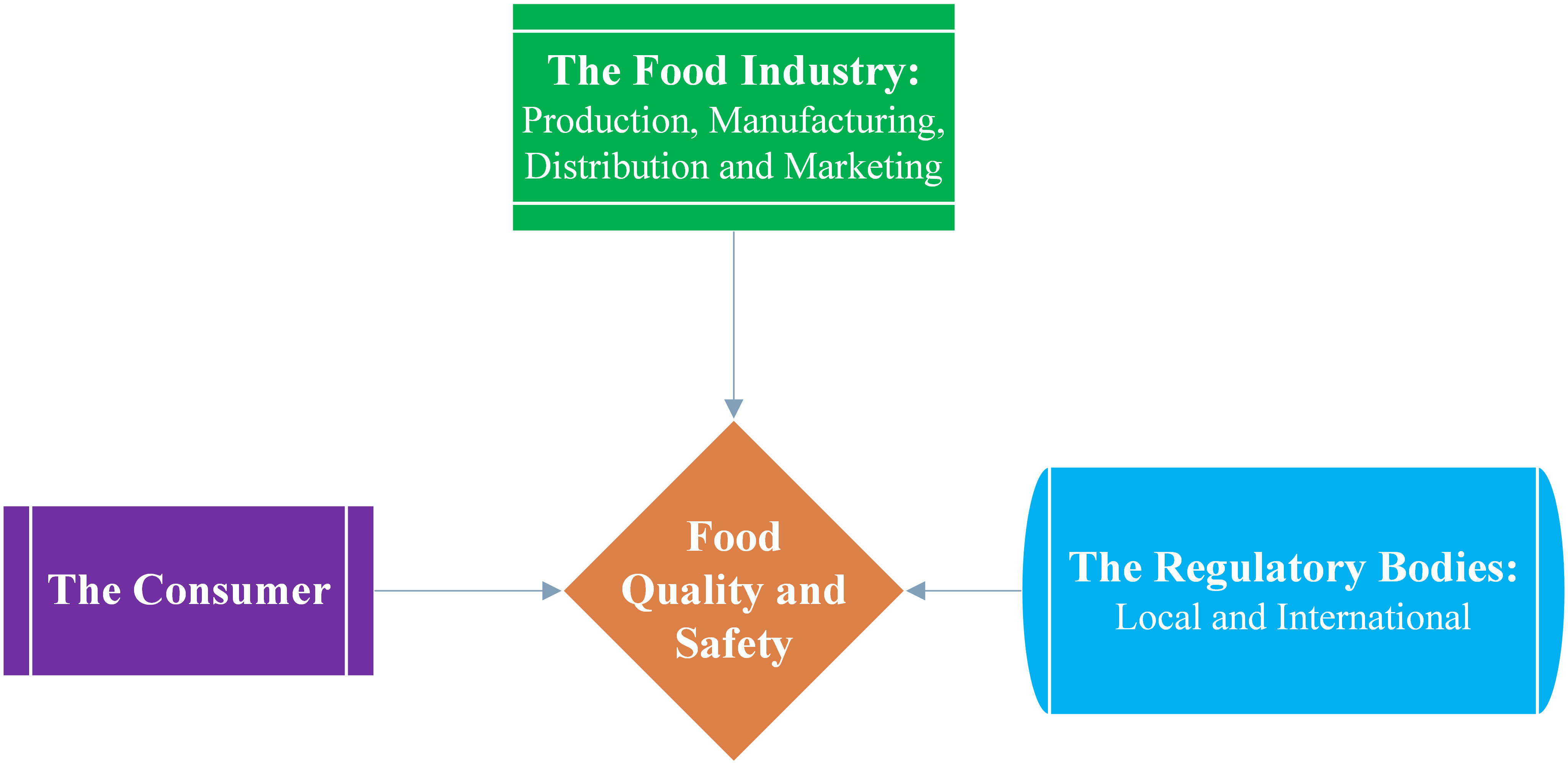
The food industry is subject to a wide range of regulations and standards aimed at ensuring food safety, quality and hygiene. These regulations are enforced by government agencies such as the Food and Drug Administration (FDA) in the United States and the European Food Safety Authority (EFSA) in Europe. The regulatory framework includes laws, guidelines and standards that cover every aspect of food production, processing, packaging, labeling, storage, transportation and distribution.
Government Intervention
The government intervenes in the food industry in various ways, such as setting standards and guidelines, conducting inspections and audits, imposing fines and penalties, and providing funding and support for research and development. Government intervention is necessary to ensure that the food industry operates in a safe, sustainable and ethical manner, and to protect public health and consumer interests.
Industry Lobbying
The food industry is a powerful sector that has a significant influence on government policies and regulations. Industry lobbying refers to the efforts made by food companies and trade associations to shape laws and regulations that are favorable to their interests. These efforts may include campaign contributions, advertising, public relations, and direct lobbying of government officials.
Public Health Concerns
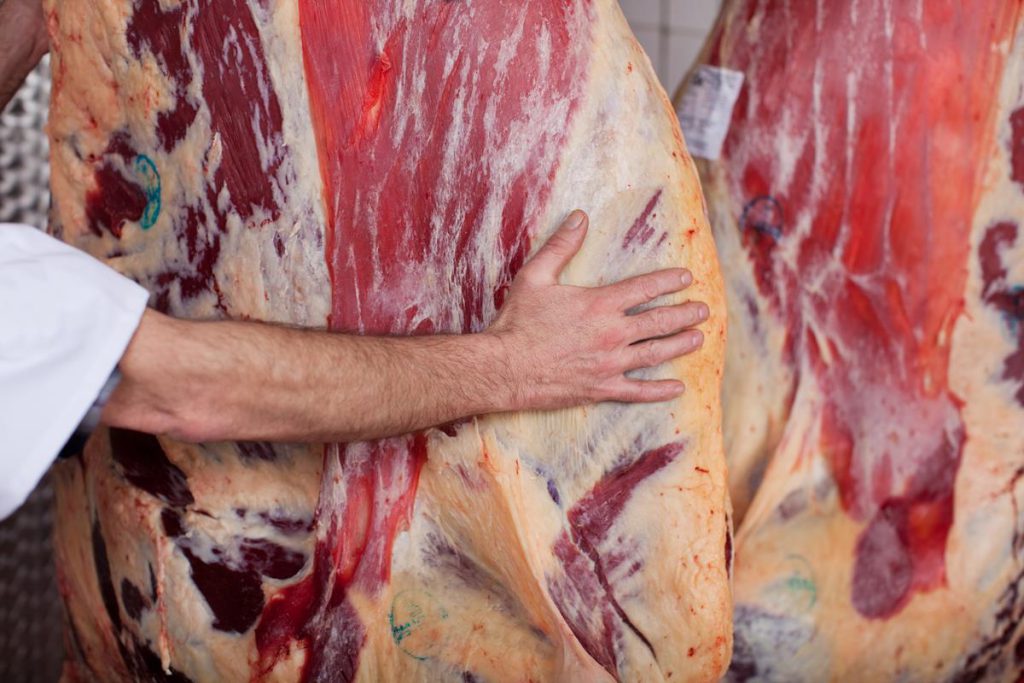
The relationship between the food industry and government is often fraught with controversy and conflict, particularly when public health concerns arise. Examples include outbreaks of foodborne illnesses, contamination of food products, and concerns about the use of additives, preservatives and genetically modified organisms (GMOs). In such cases, government intervention is necessary to protect public health and consumer interests.
Food Security

The food industry and government also work together to ensure food security, which is the availability and access to safe, nutritious and affordable food for all. This includes efforts to increase food production, reduce food waste, improve distribution systems, and provide assistance to vulnerable populations. Food security is a global challenge that requires collaboration between the food industry, government, and civil society.
Environmental Sustainability

The food industry and government also have a role to play in promoting environmental sustainability, which is the responsible use of natural resources to meet present and future needs. Food production and consumption have a significant impact on the environment, including greenhouse gas emissions, water use, and land degradation. Therefore, the food industry and government must work together to promote sustainable practices and reduce the environmental footprint of food production and consumption.
Conclusion
The relationship between the food industry and government is complex and multifaceted, and it involves a range of issues related to food safety, public health, industry lobbying, food security, and environmental sustainability. While there are often conflicts and controversies, collaboration between the food industry and government is essential to ensure that the food we eat is safe, nutritious and sustainable.