
Fluoride is a mineral found in soil, water, and some foods. It has been added to public water supplies in many countries for almost 75 years to help prevent tooth decay. While fluoride has been praised for its dental benefits, some experts raise concerns about its potential health risks.
How Fluoride Works

Fluoride works by strengthening tooth enamel and making it more resistant to decay. It also helps to repair early stages of tooth decay before cavities form. Fluoride can be ingested through fluoridated water, toothpaste, mouthwash, supplements, and some foods.
Fluorosis
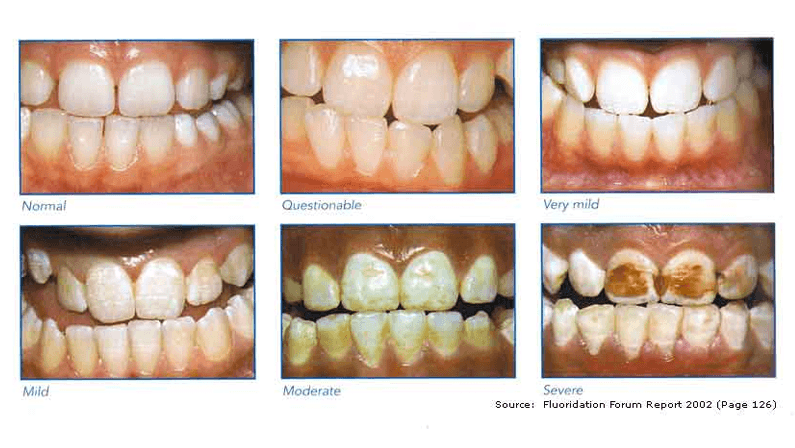
Fluorosis is a condition that occurs when too much fluoride is consumed during the development of teeth. Mild fluorosis results in white spots on the teeth, while severe fluorosis can lead to brown stains and pitting. Fluorosis is mainly a cosmetic issue, but severe cases can cause tooth sensitivity and even pain.
Skeletal Fluorosis

Skeletal fluorosis is a bone disease caused by excessive fluoride intake over a long period. It can cause joint pain, stiffness, and bone fractures. In severe cases, it can lead to a crippling disability. Skeletal fluorosis is more common in areas with high natural fluoride levels in drinking water.
Hormonal Effects

Some studies suggest that fluoride may interfere with the functioning of the thyroid gland, which plays a critical role in regulating metabolism. Ingesting too much fluoride can lead to hypothyroidism, which can cause weight gain, fatigue, and depression. However, the evidence is not conclusive, and more research is needed.
Neurotoxicity

Some researchers are concerned that fluoride may affect brain development and function. Studies have shown that high fluoride levels can lower IQ scores in children and increase the risk of attention deficit hyperactivity disorder (ADHD). However, these findings are controversial, and more research is needed to confirm them.
Cancer Risk

There is some evidence that fluoride may increase the risk of certain types of cancer, such as osteosarcoma (a rare bone cancer). However, the evidence is weak, and most studies have not found a link between fluoride and cancer. The World Health Organization (WHO) classifies fluoride as "not classifiable as to its carcinogenicity to humans."
Conclusion
In conclusion, while fluoride has been praised for its dental benefits, it can also pose health risks if consumed in excessive amounts. The risk of developing fluorosis or skeletal fluorosis increases with long-term exposure to high levels of fluoride. Hormonal effects, neurotoxicity, and cancer risk are also concerns that need further research. While fluoridation of water has been a long-standing public health measure, it is essential to monitor the levels of fluoride in water and other sources to avoid potential health risks.