
Taste is one of the five senses that allow us to experience the world around us. It's a complex sense that is influenced by many different factors, including genetics, culture, and personal preferences. In this article, we will explore the five senses of taste and how they work to create the flavors we love and crave.
Sweet

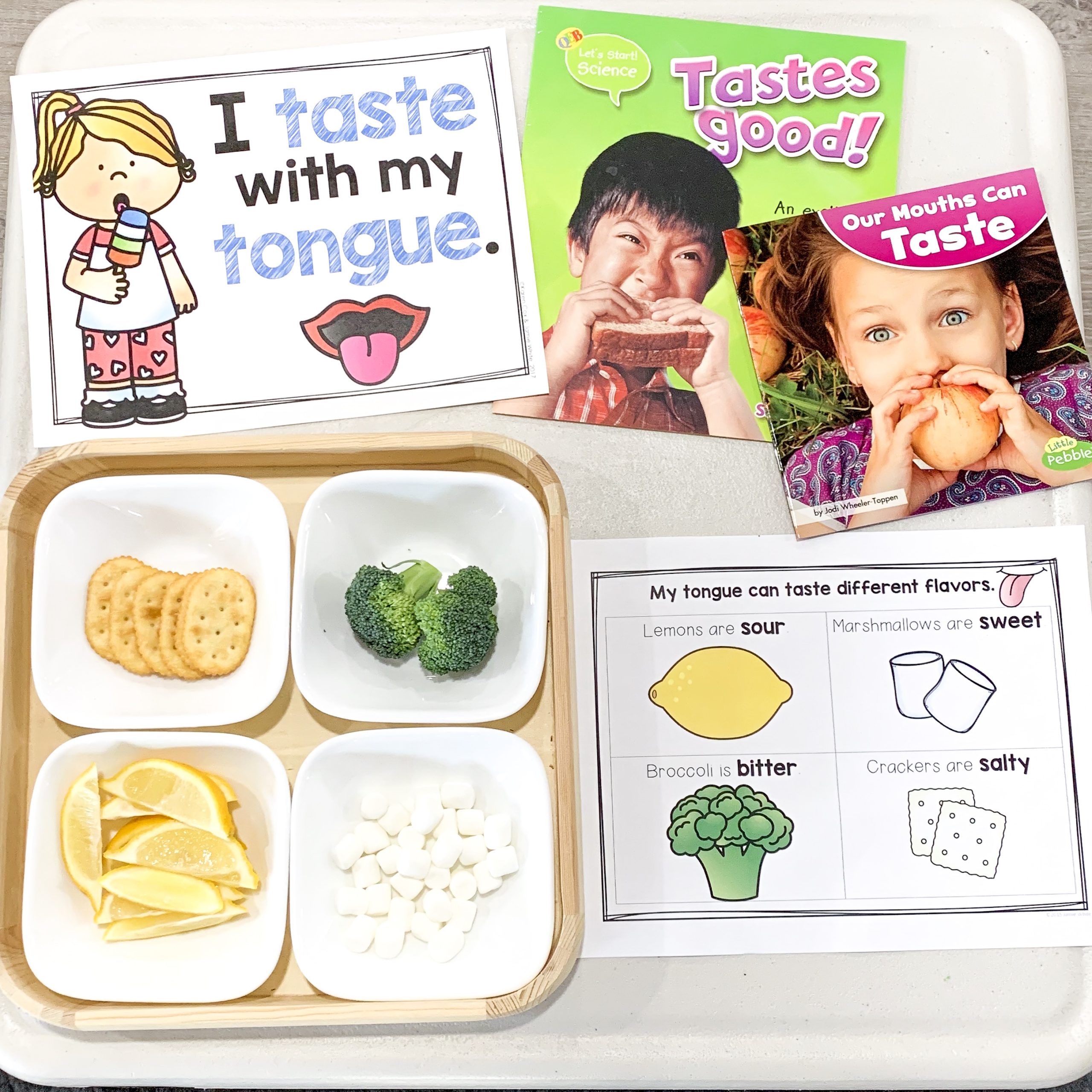
The sweet taste is one of the most popular tastes in the world. It's associated with sugary foods and drinks like candy, fruits, and soft drinks. Our brain is wired to crave sweet foods because they provide us with energy. When we eat something sweet, our taste buds send a signal to our brain that triggers the release of dopamine, a neurotransmitter that makes us feel good.
Salty

Salty taste is another popular taste that is associated with salt. Salt is an essential mineral that our body needs to function properly. When we eat something salty, our taste buds pick up the saltiness and send a signal to our brain that tells us to drink water. This is because salt makes us thirsty and helps us stay hydrated.
Sour
Sour taste is often associated with acidic foods like lemons, limes, and vinegar. Our taste buds are sensitive to acidic foods, and when we eat something sour, our taste buds send a signal to our brain that triggers the release of saliva. Saliva helps to neutralize the acid in our mouth and protect our teeth from damage.
Bitter

Bitter taste is often associated with vegetables like broccoli, kale, and Brussels sprouts. Bitterness is a sign of potential toxicity in many plants, so our taste buds are highly sensitive to it. When we eat something bitter, our taste buds send a signal to our brain that tells us to be cautious and avoid eating too much of it.
Umami
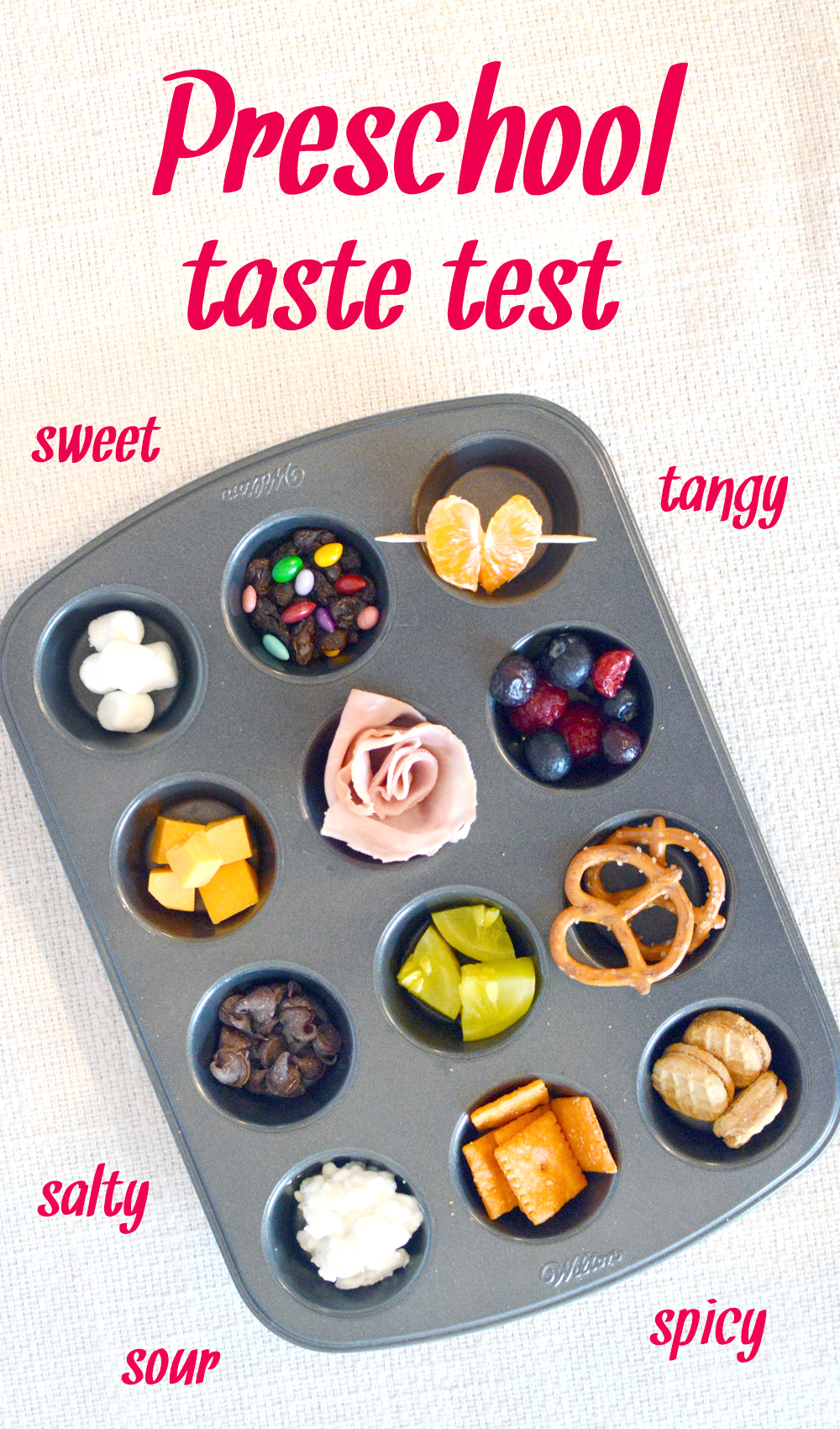
Umami taste is often described as savory or meaty. It's associated with foods like mushrooms, soy sauce, and cheese. Umami taste is created by the presence of glutamate, an amino acid that is found in many protein-rich foods. When we eat something umami, our taste buds send a signal to our brain that tells us that we are eating something rich in protein.
The Science of Taste
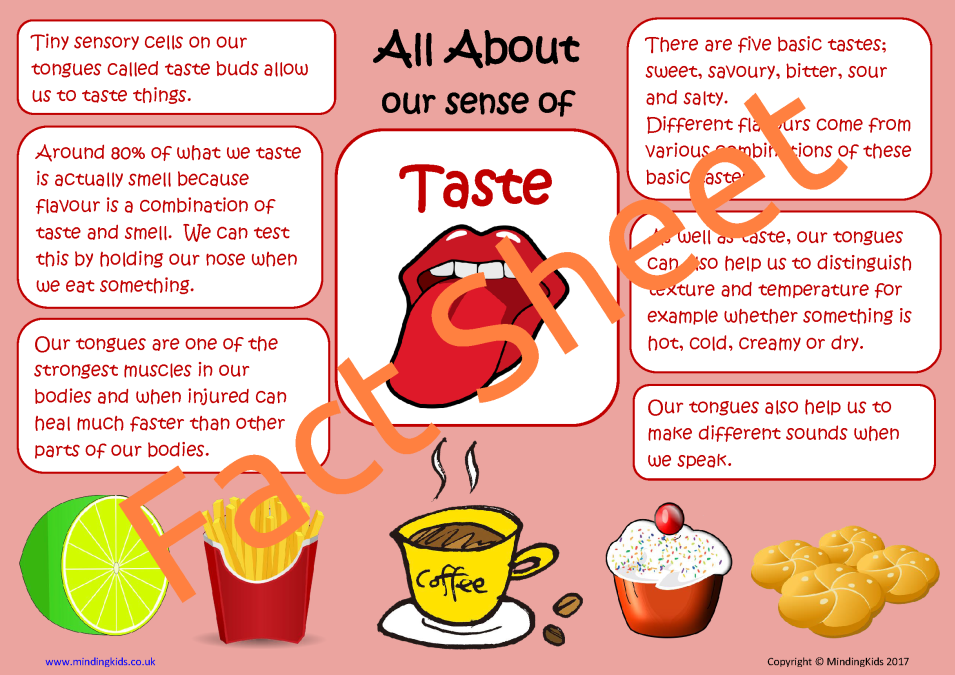
Taste is created by the interaction of taste buds, which are located on the tongue, and the molecules in food. Taste buds are specialized cells that are sensitive to the different tastes: sweet, salty, sour, bitter, and umami. When we eat something, the molecules in the food interact with the taste buds, which send a signal to our brain that creates the sensation of taste.
Each taste bud contains many different cells that are responsible for detecting different tastes. When we eat something sweet, for example, the cells that are sensitive to sweetness are activated, and they send a signal to our brain that creates the sensation of sweetness.
The Role of Smell in Taste

Our sense of smell is closely linked to our sense of taste. When we eat something, the molecules in the food also travel up to our nose, where they interact with our olfactory receptors. These receptors send a signal to our brain that creates the sensation of flavor. That's why when we have a cold, and our nose is blocked, food tastes bland, and flavors are hard to distinguish.
Cultural Influences on Taste

Culture plays a significant role in our taste preferences. Different cultures have different traditional foods and flavors that are unique to them. For example, people from Asian cultures tend to prefer stronger, more pungent flavors like soy sauce and fish sauce, while people from Western cultures tend to prefer milder, sweeter flavors.
Personal Preferences

Our personal preferences also play a role in our taste preferences. Some people love spicy food, while others can't handle it. Some people love bitter flavors, while others find them unappetizing. Our taste preferences can change over time, too, as we are exposed to new flavors and develop new tastes.
Conclusion
Taste is a complex sense that allows us to enjoy the flavors of the world around us. It's influenced by many different factors, including genetics, culture, and personal preferences. Understanding the five senses of taste can help us appreciate the flavors we love and explore new tastes.