
Introduction
A fire hose flow chart is a tool used to determine the appropriate size of a fire hose based on the amount of water that needs to be delivered to extinguish a fire. Firefighters use flow charts to ensure that they have the right equipment to effectively fight fires and prevent property damage and loss of life.
Factors Affecting Fire Hose Flow

Several factors can affect the flow of water through a fire hose, including the diameter of the hose, the pressure of the water, the length of the hose, and the type of nozzle being used. Firefighters must take all of these factors into account when selecting the appropriate size of hose to use.
Fire Hose Diameter
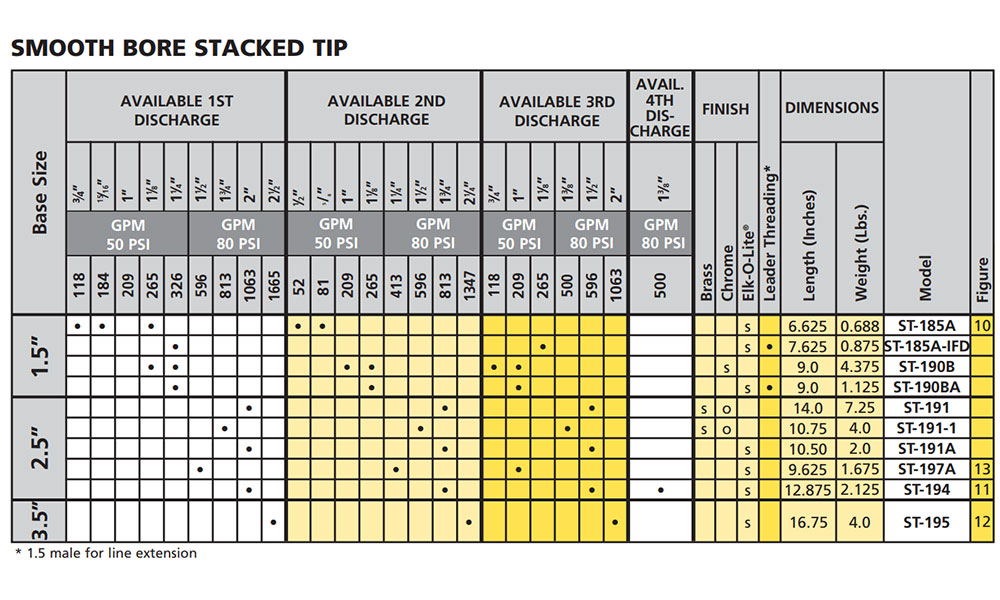
Fire hoses come in a range of diameters, from 1 inch to 6 inches. The larger the diameter of the hose, the more water it can deliver. However, larger hoses are also heavier and more difficult to maneuver. Firefighters must balance the need for water flow with the practicality of using a particular size of hose.
Water Pressure
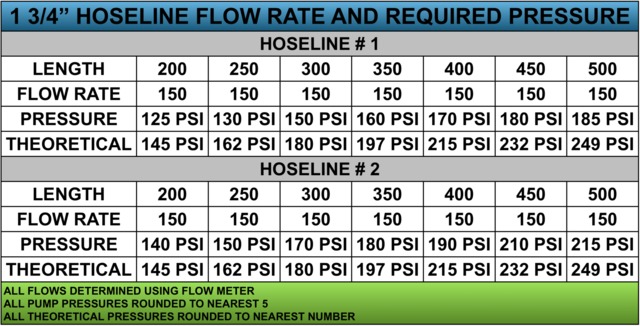
The pressure of the water being delivered through the hose also affects the flow rate. Higher water pressure will result in a higher flow rate, but it may also cause the hose to become more difficult to control. Firefighters must ensure that the pressure of the water is appropriate for the situation at hand.
Hose Length
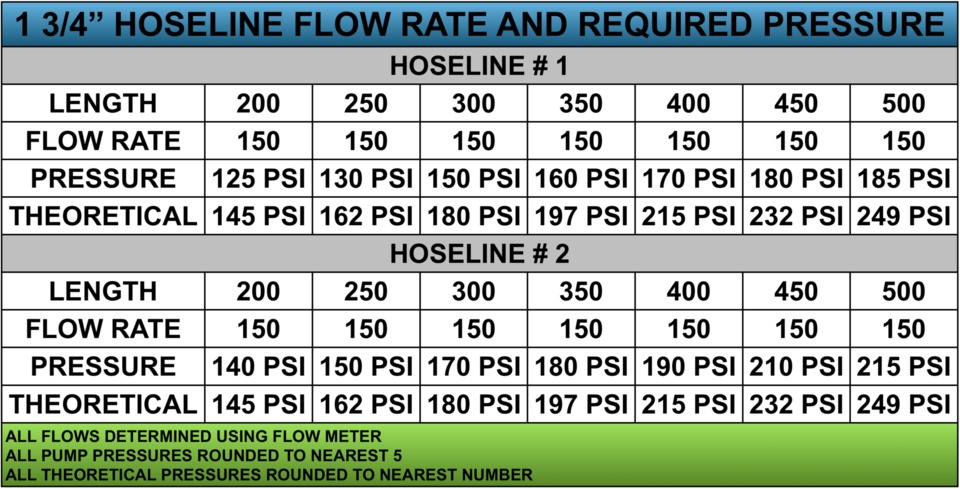
The length of the hose being used can also affect the flow rate. Longer hoses will have more friction loss, which can reduce the amount of water that reaches the fire. Firefighters must account for the length of the hose when selecting the appropriate size.
Nozzle Type

The type of nozzle being used can also affect the flow rate. Different nozzles are designed to deliver water in different ways, and some may be more effective at extinguishing certain types of fires. Firefighters must select the appropriate nozzle for the situation at hand.
Using a Fire Hose Flow Chart
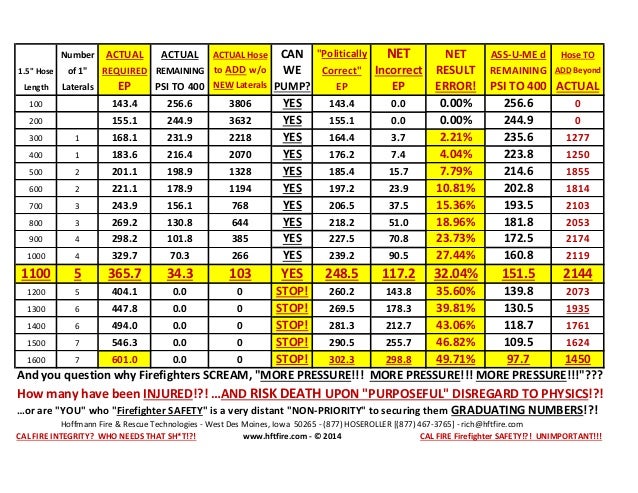
To use a fire hose flow chart, firefighters must first determine the amount of water that will be needed to extinguish the fire. They can then consult the flow chart to determine the appropriate size of hose to use based on the factors discussed above. By using a flow chart, firefighters can ensure that they have the right equipment to effectively fight fires and protect property and lives.
Conclusion
A fire hose flow chart is an essential tool for firefighters. By taking into account the factors that affect water flow through a fire hose, firefighters can select the appropriate size of hose to use and ensure that they have the right equipment to effectively fight fires. By using flow charts, firefighters can help prevent property damage and loss of life.