
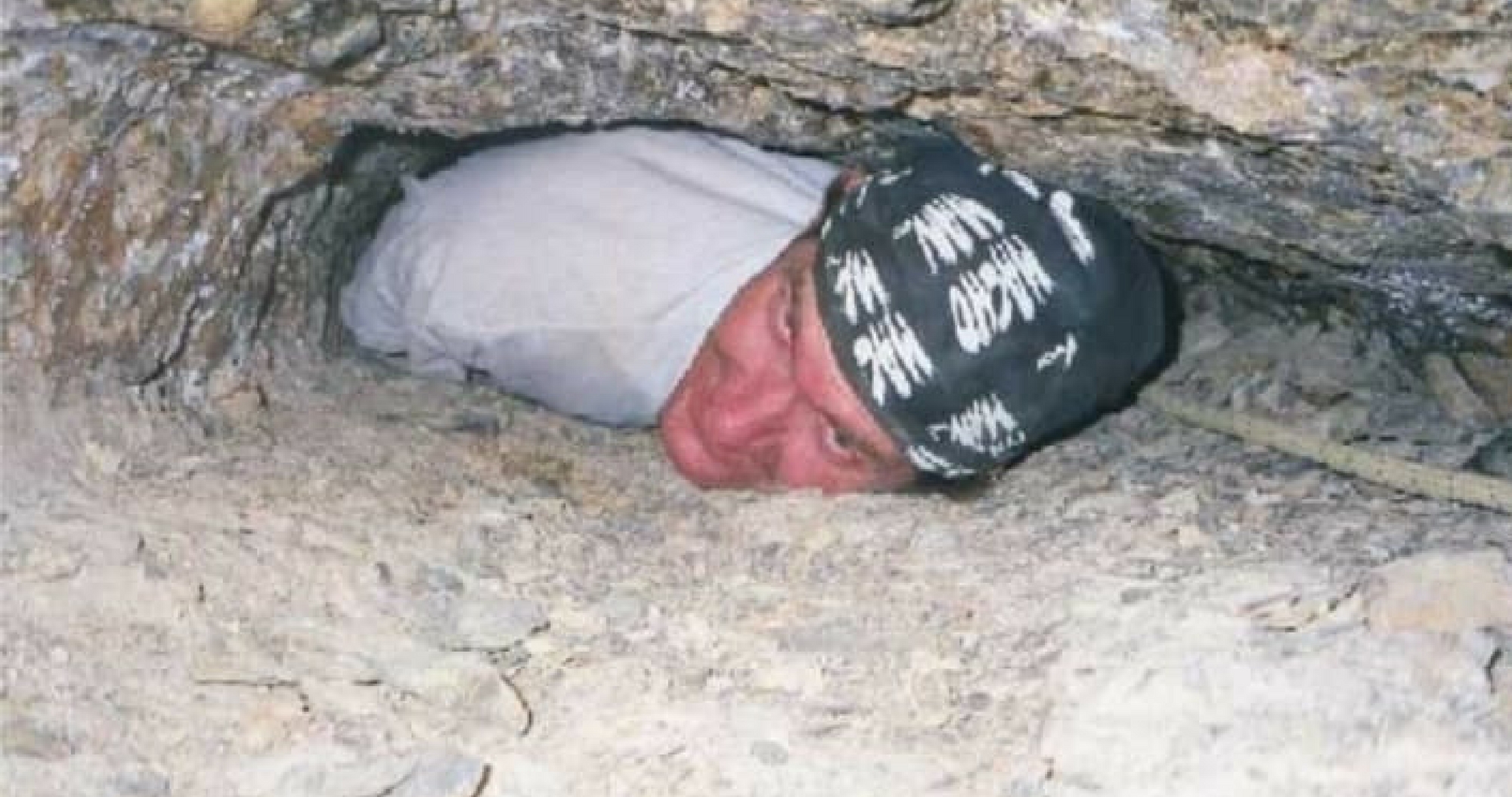
Fear of confined spaces, also known as claustrophobia, is a type of anxiety disorder that affects many people around the world. This phobia can be triggered by different situations, such as being in a crowded elevator, a small room with no windows, or even being in a car stuck in traffic.
What Is Claustrophobia?

Claustrophobia is a type of anxiety disorder that is characterized by an irrational and intense fear of confined spaces. People with claustrophobia may feel trapped, suffocated, or unable to escape in small or enclosed spaces.
While the exact causes of claustrophobia are unknown, it is believed that genetics, brain chemistry, and life experiences can all play a role in the development of this phobia.
Symptoms of Claustrophobia
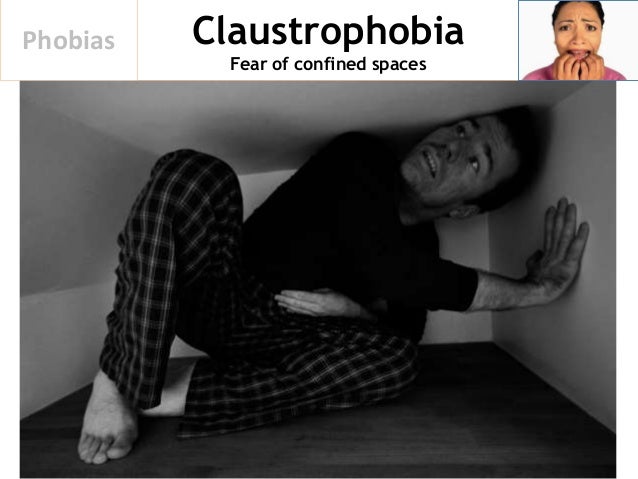
The symptoms of claustrophobia can vary from person to person, but some common symptoms include:
- Rapid heartbeat
- Sweating
- Trembling or shaking
- Shortness of breath
- Chest pain or tightness
- Nausea or dizziness
- Feeling lightheaded or faint
In severe cases, people with claustrophobia may experience panic attacks, which are sudden and intense periods of fear and anxiety that can last for several minutes.
Treatment for Claustrophobia

There are several treatments available for claustrophobia, including:
- Cognitive-behavioral therapy (CBT): A type of talk therapy that helps people with claustrophobia understand and change their thoughts and behaviors related to their fear of confined spaces.
- Exposure therapy: A type of therapy that involves gradually exposing people with claustrophobia to the situations they fear in a controlled and safe environment.
- Medications: Antidepressants and anti-anxiety medications can help reduce the symptoms of claustrophobia in some people.
It is important to seek treatment for claustrophobia, as this phobia can significantly affect a person's quality of life and prevent them from participating in activities that they enjoy.
Tips for Coping with Claustrophobia
While treatment is important for managing claustrophobia, there are also some tips that can help people cope with their fear of confined spaces:
- Breathe deeply and slowly
- Visualize a calm and peaceful place
- Practice relaxation techniques, such as yoga or meditation
- Use positive self-talk to challenge negative thoughts
- Bring a friend or family member for support
- Focus on the present moment and try not to anticipate the worst
By using these coping techniques, people with claustrophobia can learn to manage their fear and reduce the impact that it has on their daily lives.
Conclusion
Fear of confined spaces, or claustrophobia, is a common type of anxiety disorder that can significantly impact a person's quality of life. While the exact causes of this phobia are unknown, there are several treatments available, including cognitive-behavioral therapy, exposure therapy, and medications. Additionally, there are several coping techniques that can help people with claustrophobia manage their fear and reduce its impact on their daily lives.