
Introduction
The American Civil War was a major conflict that lasted from 1861 to 1865. It was fought between the Northern states, known as the Union, and the Southern states, known as the Confederacy. The war was primarily fought over the issue of slavery, with the South wanting to maintain the practice while the North sought to abolish it.
The South's Economy
During the Civil War, the South had an agricultural economy that relied heavily on slave labor. The plantation owners in the South believed that their way of life was being threatened by the North, which wanted to abolish slavery. As a result, the South seceded from the Union and formed the Confederacy.

The South's Military Strategy
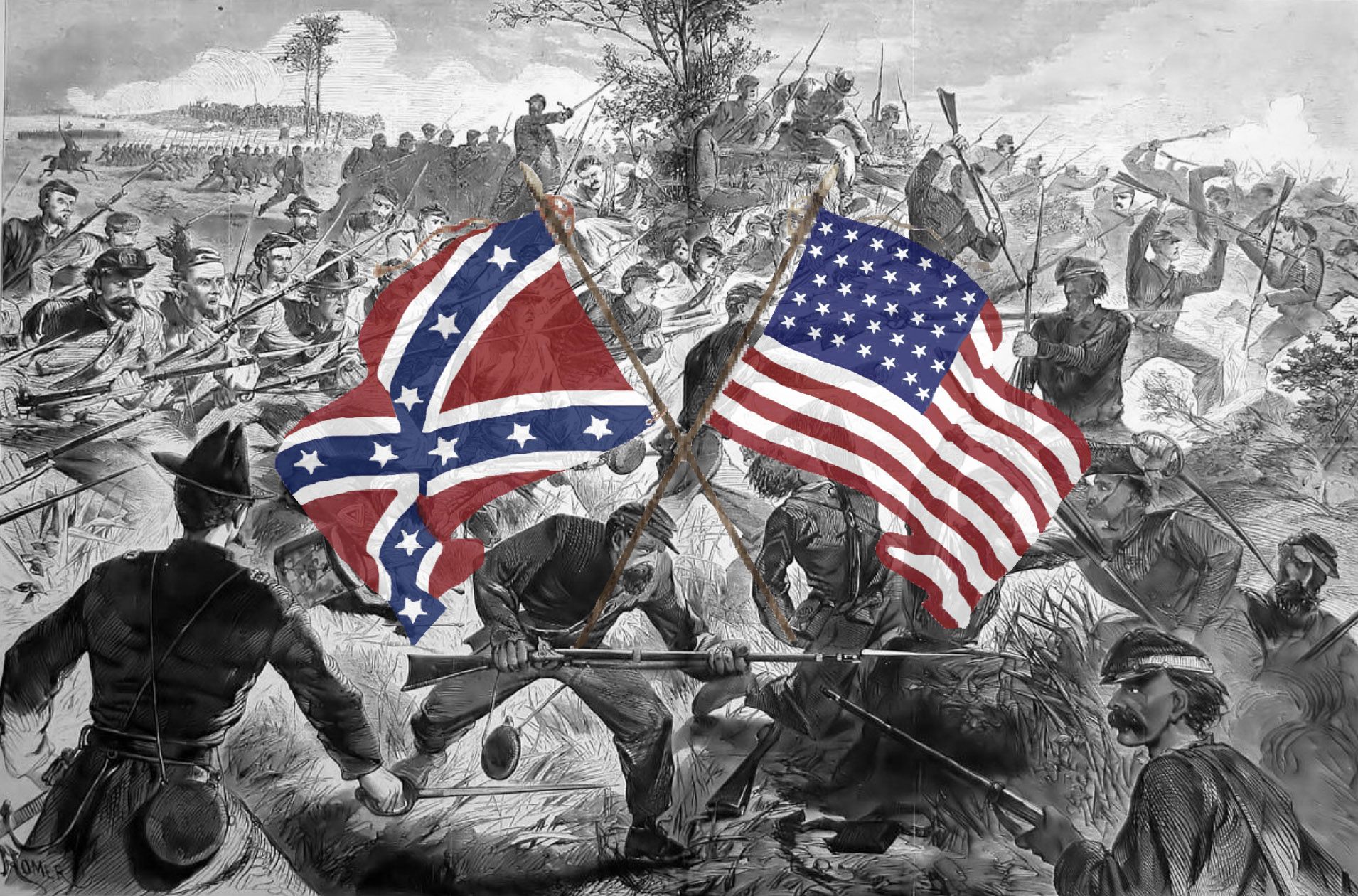
The South's military strategy was primarily defensive. They believed that they could outlast the North by defending their territory and avoiding major battles. However, this strategy ultimately failed as the Union was able to gain control of key strategic locations, such as the Mississippi River.
The South's Military Leaders
The South had several talented military leaders, including Robert E. Lee and Stonewall Jackson. However, they were often hampered by a lack of resources and support from the Confederate government.

The South's Naval Power
The South had a limited naval power compared to the North. However, they were able to use their naval forces to disrupt Union trade and commerce.

The South's Diplomatic Efforts
The South attempted to gain recognition from foreign powers, such as Great Britain and France, during the Civil War. However, these efforts were largely unsuccessful as these countries did not want to get involved in a conflict that would potentially harm their own economies.

The South's Civilian Population
The Civil War had a significant impact on the civilian population in the South. Many people were forced to leave their homes and farms, and many were killed or injured in the conflict. The war also had a major impact on the Southern economy, which was largely destroyed by the end of the war.

The South's Treatment of African Americans
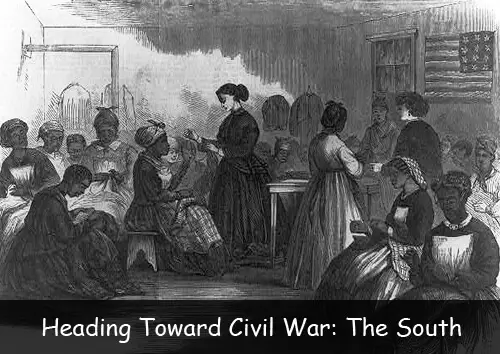
The South's treatment of African Americans during the Civil War was abhorrent. Slaves were forced to work on plantations and were often subjected to physical and emotional abuse. Despite the efforts of the Union to abolish slavery, it would take several more years before African Americans would be granted full rights and recognition as citizens.
The South's Surrender
The South surrendered to the Union on April 9, 1865, effectively ending the Civil War. The surrender took place at Appomattox Court House in Virginia, where Robert E. Lee surrendered his army to Union General Ulysses S. Grant.

The South's Legacy
The legacy of the South during the Civil War is a complicated one. While the Confederacy fought for their way of life, that way of life was based on the oppression of African Americans. The Civil War ultimately led to the end of slavery and the beginning of a long struggle for civil rights in the United States.

Conclusion
The South during the Civil War was a complex and often tragic period in American history. While the Confederacy fought for what they believed was their way of life, that way of life was based on the oppression of others. Today, we must remember the lessons of the Civil War and work to create a more just and equal society for all.