Eye exams are essential to maintaining good vision and preventing eye diseases. One of the most common tools used during an eye exam is the eye chart or the Snellen chart. This chart is used to assess a patient's visual acuity, or their ability to see objects clearly at a distance. In this article, we will discuss the basics of the eye side test chart and its importance in eye exams.
What is an Eye Side Test Chart?
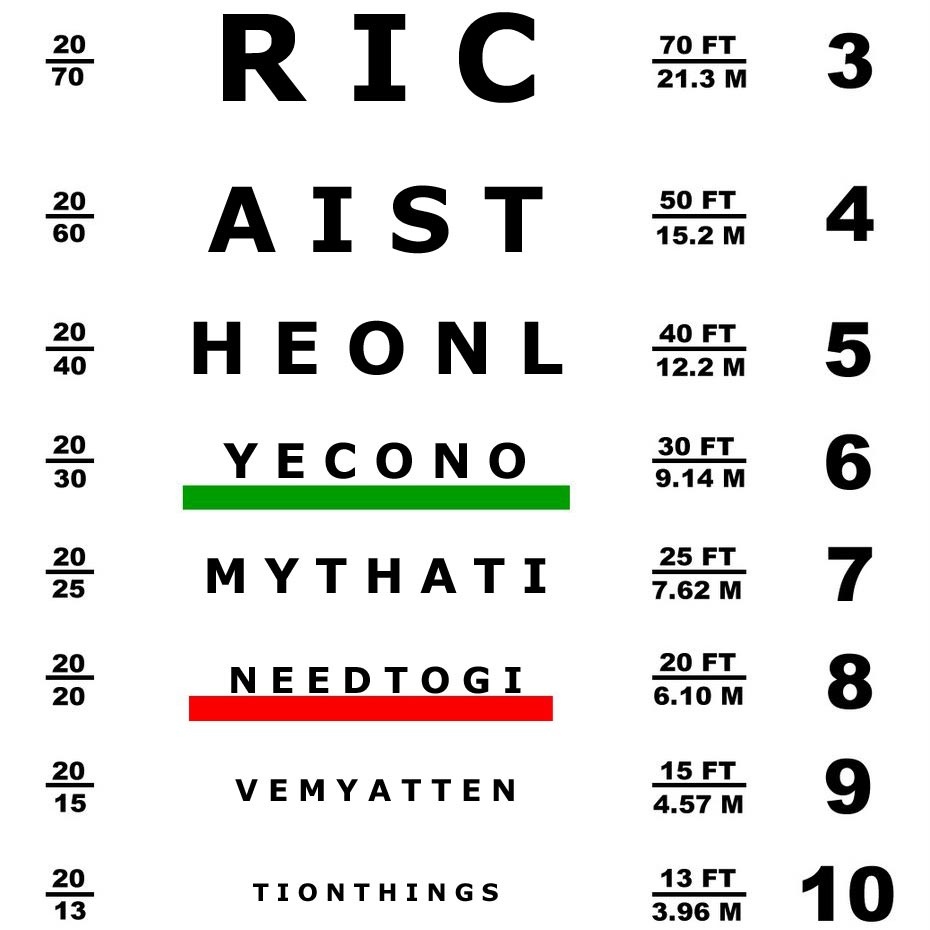
An eye side test chart, also known as a Snellen chart, is a tool used by eye care professionals to measure a person's visual acuity. It consists of several rows of letters, with each row progressively getting smaller. The chart is usually placed 20 feet away from the patient, and they are asked to read the letters from the top row to the bottom row.
How Does an Eye Side Test Chart Work?

The eye side test chart works by testing a person's ability to see objects clearly at a distance. The letters on the chart are standardized and have a specific size and spacing. A person with normal vision should be able to read the letters on the 20/20 line, which is the fourth line from the top. If a person cannot read the 20/20 line, they may have a visual acuity problem that needs to be addressed by an eye care professional.
What Does the Eye Side Test Chart Measure?

The eye side test chart measures a person's visual acuity, or their ability to see objects clearly at a distance. It can also be used to detect other vision problems such as nearsightedness, farsightedness, and astigmatism. The chart can also be used to monitor changes in a person's vision over time.
How to Prepare for an Eye Exam

Before your eye exam, it's important to prepare yourself by doing the following:
- Bring a list of any medications you are taking
- Bring your eyeglasses or contact lenses if you wear them
- Be prepared to answer questions about your medical history and any vision problems you may be experiencing
- Be prepared to have your eyes dilated, which can cause temporary blurriness and sensitivity to light
How Often Should You Get an Eye Exam?

The frequency of eye exams depends on several factors, including age, overall health, and any vision problems you may be experiencing. In general, the American Optometric Association recommends the following guidelines:
- Children should have their first eye exam at 6 months of age, then again at 3 years old, and before starting school
- Adults should have a comprehensive eye exam every two years, or more frequently if they have certain risk factors such as diabetes or a family history of eye diseases
- Seniors should have an eye exam every year to monitor for age-related vision changes and eye diseases
The Importance of Eye Exams

Eye exams are essential to maintaining good vision and preventing eye diseases. Many eye diseases, such as glaucoma, do not have any noticeable symptoms in the early stages. Regular eye exams can detect these problems early and prevent irreversible vision loss.
Conclusion
The eye side test chart is a simple yet effective tool used during eye exams to measure a person's visual acuity. It is important to have regular eye exams to maintain good vision and prevent eye diseases. If you are experiencing any vision problems or have not had an eye exam in a while, make an appointment with an eye care professional today.