Eugenics is a term used to describe the study and practice of selective breeding to improve the genetic quality of a population. The concept of eugenics is often associated with the idea of creating a more "perfect" human race, which has been a controversial and divisive issue throughout history.
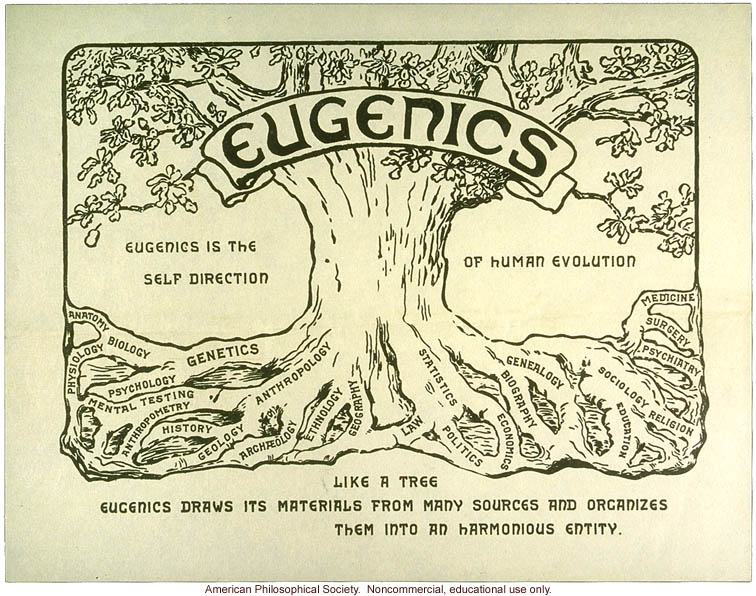
Origins of Eugenics in the US
The origins of eugenics in the United States can be traced back to the late 19th century. It was during this time that the idea of selective breeding to improve the human race gained popularity among scientists and intellectuals.
One of the earliest advocates of eugenics in the US was Charles Davenport, who founded the Eugenics Record Office in 1910. This organization was dedicated to gathering data on the genetic traits of individuals and families, with the goal of identifying "undesirable" traits and preventing them from being passed on to future generations.
Eugenics and Immigration
One of the primary concerns of early eugenicists in the US was the influx of immigrants from other countries. Many eugenicists believed that certain racial and ethnic groups were genetically inferior, and that allowing them to reproduce freely would lead to the degeneration of the American gene pool.
This belief led to the passage of laws in several states that restricted immigration based on race and nationality. The most notorious of these laws was the Immigration Act of 1924, which established quotas for immigration based on national origin and effectively banned immigration from Asia altogether.

Eugenics and Forced Sterilization
Another controversial aspect of eugenics in the US was the practice of forced sterilization. Beginning in the early 20th century, several states passed laws that allowed for the sterilization of individuals deemed "unfit" to reproduce.
These laws targeted a wide range of individuals, including people with mental illness, physical disabilities, and even those who were deemed to be "morally degenerate." It is estimated that tens of thousands of people were sterilized in the US between the early 1900s and the 1970s.

The Legacy of Eugenics in the US
While eugenics has largely fallen out of favor as a legitimate scientific practice, its legacy in the US is still being felt today. The forced sterilization of thousands of Americans has had long-lasting effects on families and communities, and the racist and xenophobic attitudes that underpinned the eugenics movement continue to influence politics and social policy.
It is important to remember the history of eugenics in the US and to work towards a more inclusive and accepting society that values all individuals regardless of their genetic makeup or background.