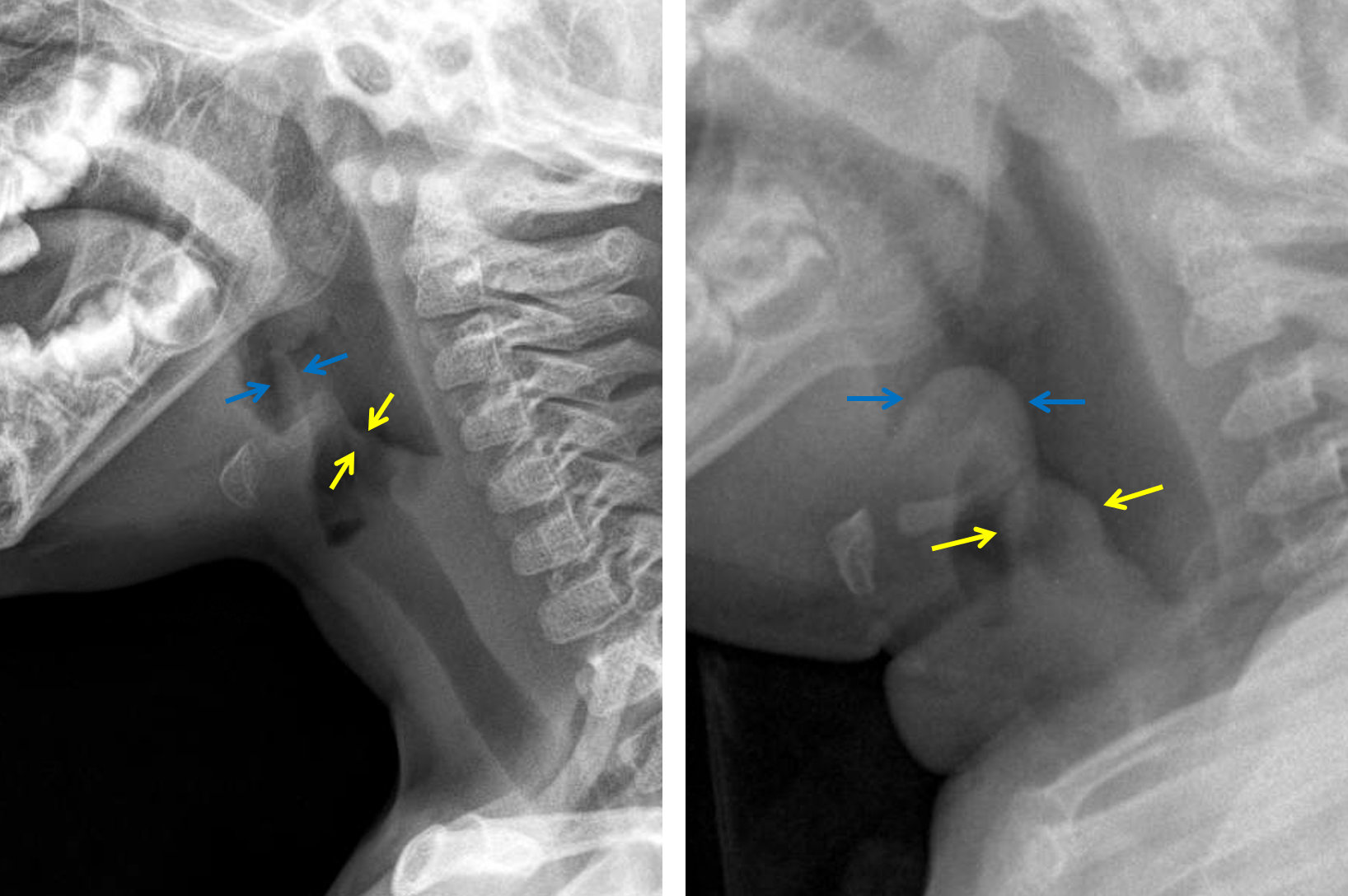
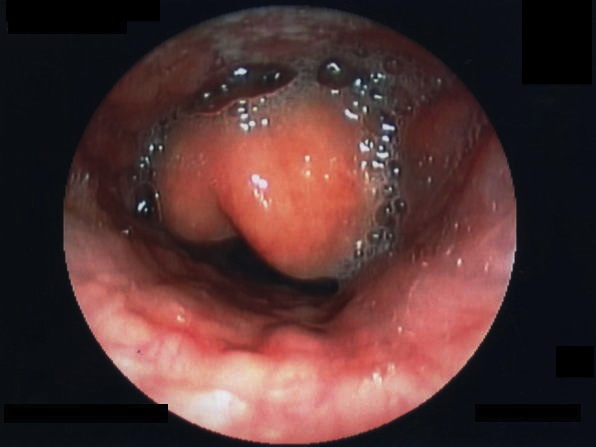
Epiglottitis is a serious medical condition that occurs when the epiglottis, a flap of cartilage located at the base of the tongue, becomes inflamed and swollen. This can lead to difficulty breathing and swallowing, which can be life-threatening if left untreated.

Causes Of Epiglottitis
Epiglottitis is usually caused by a bacterial infection, most commonly Haemophilus influenzae type b (Hib) bacteria. The infection can lead to swelling and inflammation of the epiglottis, making it difficult to breathe and swallow.
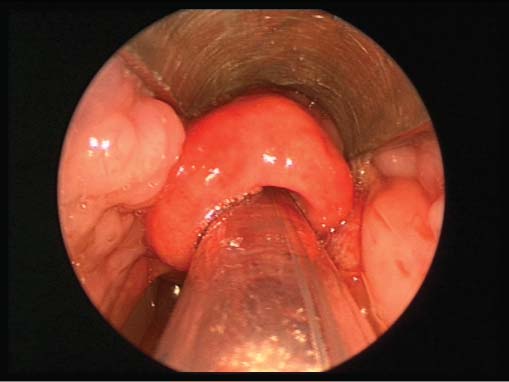
Other causes of epiglottitis include viral infections, fungal infections, and trauma to the throat.
Symptoms Of Epiglottitis
The symptoms of epiglottitis can vary depending on the severity of the condition. Some common symptoms include:
- Difficulty breathing or swallowing
- High fever
- Sore throat
- Difficulty speaking
- Rapid heartbeat
- Severe throat pain

Treatment For Epiglottitis
Epiglottitis requires immediate medical attention. If left untreated, it can lead to hypovolemic shock, a life-threatening condition that occurs when the body loses too much blood or fluid.
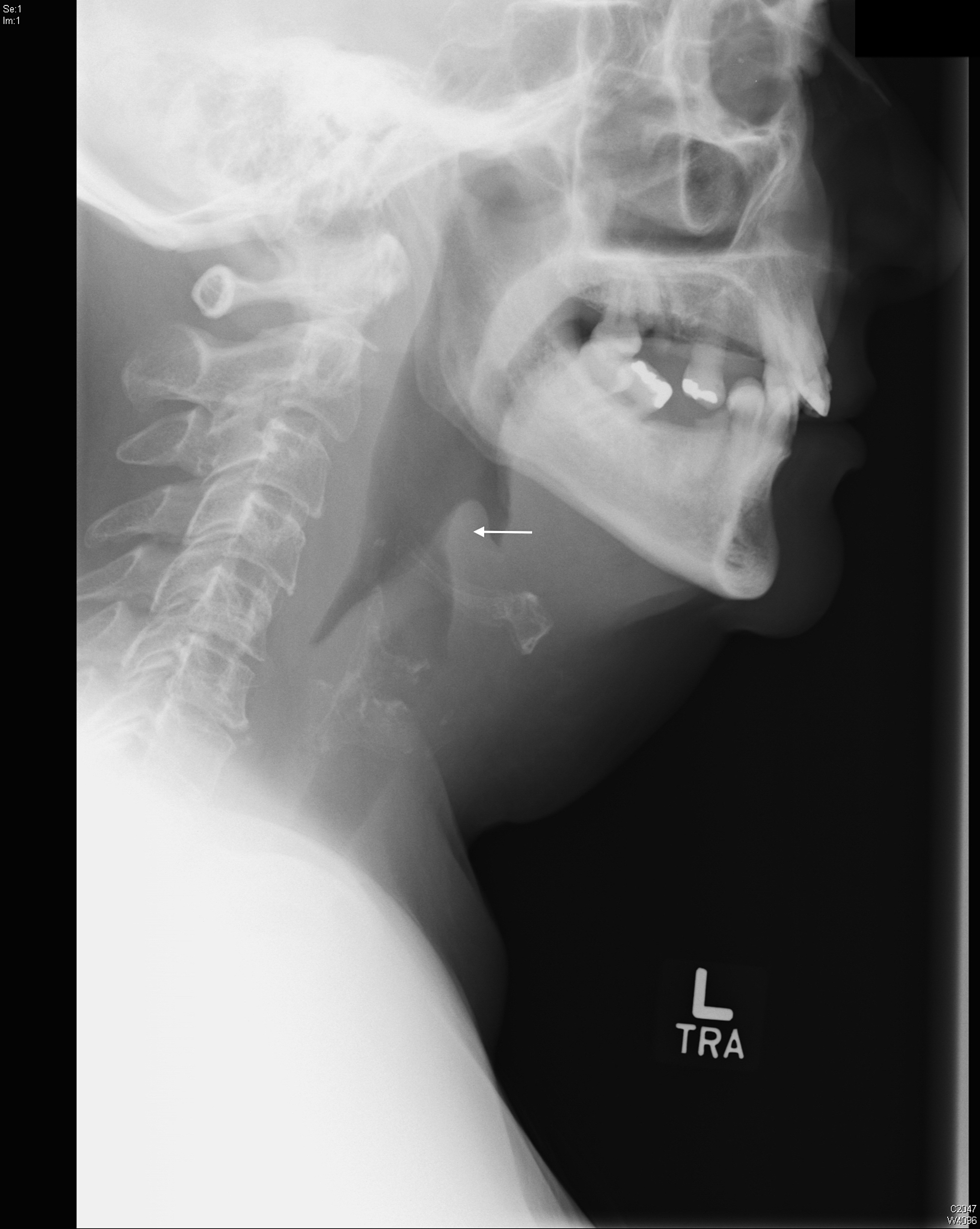
Treatment for epiglottitis usually involves hospitalization and the administration of antibiotics to treat the underlying infection. In severe cases, a breathing tube may be inserted to help the patient breathe.
Hypovolemic Shock
Hypovolemic shock is a medical emergency that occurs when the body loses too much blood or fluid. This can lead to a decrease in blood pressure and oxygen delivery to the body's tissues and organs.
Causes Of Hypovolemic Shock
Hypovolemic shock can be caused by a variety of factors, including:
- Blood loss due to injury or surgery
- Dehydration
- Severe vomiting or diarrhea
- Burns
- Sepsis
Symptoms Of Hypovolemic Shock
The symptoms of hypovolemic shock can vary depending on the severity of the condition. Some common symptoms include:
- Rapid heartbeat
- Low blood pressure
- Weakness or fatigue
- Dizziness or lightheadedness
- Cool, clammy skin
- Confusion or disorientation

Treatment For Hypovolemic Shock
Treatment for hypovolemic shock usually involves restoring the body's fluid volume and blood pressure. This can be done through the administration of intravenous fluids, blood transfusions, and medications to increase blood pressure.

Conclusion
Epiglottitis and hypovolemic shock are serious medical conditions that require immediate medical attention. If you experience any symptoms of these conditions, seek medical attention right away. Treatment for these conditions can be life-saving, and early intervention is key to a successful outcome.