
Adolf Hitler was a notorious dictator and leader of Nazi Germany who caused the deaths of millions of people during World War II. He was known for his hatred towards particular groups of people like Jews, homosexuals, and disabled people. But what did he think about children? In this article, we will explore some of Hitler's quotes about children.
Hitler's Views on Children

Hitler had a strong belief in the importance of children for the future of the German nation. He believed that children were the foundation of the nation and that they needed to be raised as loyal and obedient citizens who would serve the state.
Hitler also believed that children were the key to creating a pure Aryan race. He believed that by promoting the idea of racial superiority and purity, he could create a stronger and more powerful Germany.
"A Child Who Is Born Weak Must Be Eliminated"

One of Hitler's most disturbing quotes about children is "A child who is born weak must be eliminated." Hitler believed in the idea of survival of the fittest, and he saw children with disabilities or illnesses as a drain on society. He believed that eliminating these children would make the German nation stronger.
This belief led to the forced sterilization and euthanasia of thousands of disabled children during Hitler's reign. It was a horrific example of the atrocities committed by the Nazi regime.
"Let The Boys Have Their Fun"

Hitler believed that boys needed to be prepared for military service from a young age. He saw play and physical activity as essential for developing strong, disciplined soldiers.
One of his quotes about boys is "Let the boys have their fun." Hitler encouraged boys to participate in activities like camping, hiking, and sports to build physical strength and endurance. He also believed that boys should be taught to fight and defend themselves.
"Girls Are Not To Be Educated'

Hitler had very different views on the education of girls. He believed that girls should not be educated beyond basic reading and writing skills. He saw their role as being mothers and wives who would support their husbands and raise strong Aryan children.
Hitler's quote "Girls are not to be educated" shows his belief that education was wasted on girls. He believed that their time was better spent learning domestic skills and preparing for motherhood.
"The Child Must Be Shaped Like Clay"

Hitler believed that children were like clay that could be molded into the perfect Aryan citizens. He saw education and training as a way to shape children into loyal, obedient, and disciplined members of the nation.
His quote "The child must be shaped like clay" shows his belief in the importance of molding children into the perfect citizens of his vision for Germany. This belief was reflected in the strict education and training programs of the Hitler Youth, where children were taught to be loyal to the state and to reject individualism.
Conclusion
Hitler's views on children were disturbing and dangerous. He saw them as a means to an end, rather than as individuals with their own hopes and dreams. His beliefs led to the forced sterilization and euthanasia of disabled children, as well as the indoctrination of millions of children into his vision for a pure Aryan Germany.
It is important to remember the atrocities committed by the Nazi regime and to work towards creating a world where all children are valued and protected.
Related video of Hitler Quotes About Children

Wedding rings have become an integral part of the modern wedding ceremony. They symbolize love, commitment, and devotion between two people. However, the tradition of exchanging wedding rings goes back thousands of years.
Ancient Egypt

The ancient Egyptians were the first to use wedding rings. They believed that the ring symbolized eternity and the unending cycle of life. The circular shape of the ring represented the sun and the moon, which were worshipped in their culture. They made their rings out of reeds and other natural materials.
Ancient Rome

The ancient Romans were the first to use metal to make wedding rings. They would engrave their rings with romantic designs and wear them on the fourth finger of the left hand. They believed that a vein in that finger led directly to the heart, which they called the "vena amoris."
Medieval Europe

In medieval Europe, wedding rings were often made of silver or gold and set with precious stones. They were a symbol of wealth and status, and only the wealthy could afford them. The rings were often engraved with romantic messages or symbols.
The 20th Century
/__opt__aboutcom__coeus__resources__content_migration__brides__proteus__59d4edec5d54db4ee463b308__169-7da937743086446baf90a50a33d434f4.jpeg)
In the 20th century, wedding rings became more affordable and accessible to the general public. They were no longer a symbol of wealth and status but of love and commitment. The rings were often made of gold, platinum, or titanium and set with diamonds or other precious stones.
Today

Today, wedding rings come in many different styles, materials, and designs. They can be personalized with engravings or symbols that represent the couple's love and commitment. The tradition of exchanging wedding rings is still an important part of the wedding ceremony.
Conclusion
The history of wedding rings is a long and fascinating one. From the ancient Egyptians to modern times, wedding rings have been a symbol of love, commitment, and devotion. They have evolved over time, but their significance remains the same. Today, wedding rings are more than just a piece of jewelry – they are a symbol of everlasting love.
Related video of History of Wedding Rings

The letter I is the ninth letter of the modern English alphabet and has a long and fascinating history. Its shape and sound have evolved over time, and it has played an important role in the development of language and communication. In this article, we will explore the history of the letter I and its various uses throughout the centuries.
The Origins of the Letter I

The letter I has its roots in the Phoenician alphabet, which was used in the Mediterranean region around 1200 BCE. The Phoenician letter for the sound "yodh" was represented by a simple dot, which eventually evolved into the letter I as we know it today.
Over time, the letter I became a distinct symbol in various alphabets, including the Greek and Latin alphabets. In these systems, the letter I represented a vowel sound, similar to the "ee" sound in modern English. It was also used as a consonant, representing a "y" sound.
The Evolution of the Letter I

As languages evolved and writing systems became more standardized, the letter I underwent various changes in shape and sound. In Middle English, for example, the letter I was often written with a dot above it, which indicated a different vowel sound. This led to the creation of the letter J, which was originally just a variation of I.
In modern English, the letter I has a single sound, but it is often used in combination with other letters to represent different vowel sounds. For example, the letters IE and EI are often used to represent the "ee" sound, as in words like "believe" and "receive."
The Letter I in Language and Literature
The letter I has played an important role in language and literature throughout history. In many languages, including English, it is used as a first-person pronoun, representing the speaker or writer. This has led to many literary works with titles that begin with the letter I, such as "I, Claudius" and "I Know Why the Caged Bird Sings."
The letter I has also been used as a symbol in various literary works, often representing the self or the individual. In the poem "I Wandered Lonely as a Cloud" by William Wordsworth, for example, the speaker uses the letter I to describe his own experiences and emotions.
The Letter I in Mathematics and Science

The letter I is also used in mathematics and science, where it represents the imaginary unit, which is the square root of negative one. This concept is essential in complex numbers, which are used in a variety of mathematical and scientific applications.
In physics, the letter I is often used to represent current, as in the equation for Ohm's Law (I = V/R). It is also used to represent the moment of inertia in mechanics and the intensity of sound in acoustics.
The Letter I in Popular Culture

The letter I has also made its way into popular culture, where it is often used as a symbol or logo. For example, the tech company Apple uses a stylized version of the letter I as its logo, and the clothing brand American Apparel features a line of t-shirts with the letter I printed on them.
In music, the letter I has been used in various song titles and lyrics, such as "I Will Survive" by Gloria Gaynor and "I Want to Hold Your Hand" by The Beatles.
Conclusion
The letter I has a rich and varied history, from its origins in the Phoenician alphabet to its many uses in language, literature, mathematics, and science. Its shape and sound have evolved over time, but it remains an essential part of the modern English alphabet and a symbol of the self and individuality.
Related video of History Of The Letter I

The Birth of the Bikini
The bikini, a two-piece swimsuit, was first introduced in 1946 by French designer Louis Réard. The revealing swimsuit caused quite a stir at the time, with some countries even banning it for being too scandalous. However, its popularity grew, and it became a staple in beach fashion.
The First Bikini Video
The first bikini video was released in 1960. It was a promotional video for the bikini, filmed on the beaches of California. The video featured models in bikinis, showing off the various styles and colors available. The video was a hit and helped to popularize the bikini even more.

The Bikini Goes Mainstream
In the 1960s and 1970s, the bikini became more mainstream, appearing in movies and television shows. The bikini video also became more common, with many swimsuit companies producing promotional videos to showcase their latest designs.
The Rise of Sports Illustrated
In 1964, Sports Illustrated released its first swimsuit edition, featuring models in bikinis. The issue was a huge success and has become an annual tradition, with each year's edition featuring even more revealing swimsuits.

The Bikini Video in the 1980s and 1990s
In the 1980s and 1990s, the bikini video became more elaborate, with companies hiring professional models and film crews to create high-quality promotional videos. These videos were often shown on television and in stores, helping to drive sales of bikinis and other swimwear.
The Rise of the Internet
The rise of the internet in the late 1990s and early 2000s changed the bikini video game. Companies began creating online videos to showcase their latest designs, and social media platforms like YouTube and Instagram allowed individuals to create and share their own bikini videos.

The Modern Bikini Video
Today, the bikini video is still a popular way to showcase the latest swimwear designs. Companies like Victoria's Secret and Sports Illustrated continue to release annual swimsuit videos, while social media influencers and amateur filmmakers create their own bikini videos to share online.
Conclusion
The bikini video has come a long way since its introduction in the 1960s. From a simple promotional tool to a cultural phenomenon, the bikini video has helped to shape the way we think about swimwear and beach fashion. Whether you love it or hate it, there's no denying the impact the bikini video has had on our culture.
Related video of History of the Bikini Video
When it comes to nuts, pistachios are among the most popular. Loved for their unique flavor and versatility, these little nuts have been a favorite for centuries. But where did they come from, and how did they become so popular? Let’s take a closer look at the history of pistachio nuts.
Origins of Pistachios

Pistachio nuts are believed to have originated in the Middle East, specifically in present-day Iran and Iraq. The earliest known reference to pistachios dates back to 7,000 BC, where they were cultivated in the region. Pistachios were also mentioned in the Bible, where they were referred to as one of the gifts brought to King Solomon by the Queen of Sheba.
Pistachios in Ancient Times

Pistachios were highly valued in ancient times and were often used as a form of currency. They were also considered a symbol of wealth and prosperity. In the Roman era, pistachios were a favorite snack of the elite and were often served at lavish feasts.
Pistachios in the Middle Ages
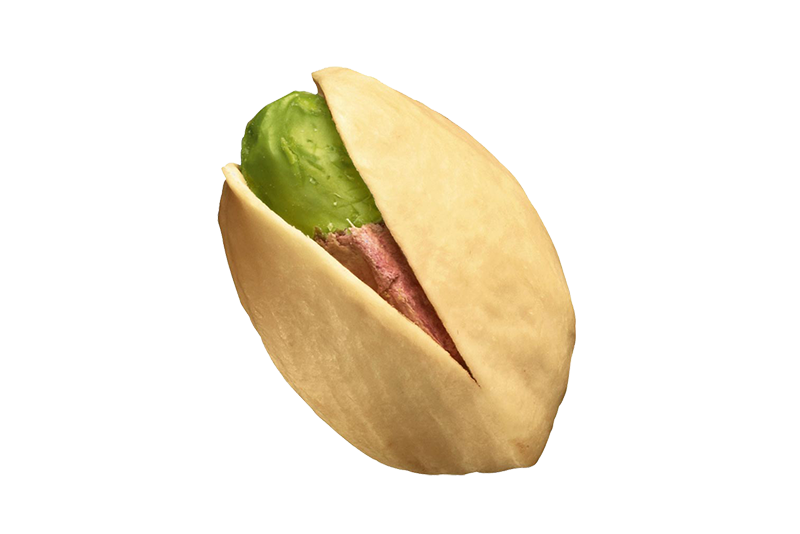
During the Middle Ages, pistachios were introduced to Europe through trade routes. They quickly became popular, and were used in a variety of dishes, including cakes and pastries. In Spain, pistachios were used to make marzipan, a popular almond-based confection.
Pistachios in America

Pistachios were first introduced to America by Spanish explorers in the 16th century. However, it wasn’t until the 1930s that pistachios began to be cultivated in California. Today, California is the largest producer of pistachios in the United States.
Nutritional Value of Pistachios

Pistachios are not only delicious, but they are also highly nutritious. They are a good source of protein, fiber, and healthy fats. They also contain a variety of vitamins and minerals, including vitamin B6, potassium, and magnesium.
Pistachios in Popular Culture

Pistachios have been featured in popular culture for many years. In the 1960s, the TV show “The Beverly Hillbillies” featured a character who was obsessed with pistachios. In the 1980s, a commercial for a brand of pistachios featured the famous catchphrase, “Get crackin’!” Today, pistachios are often used as a snack or garnish in a variety of dishes.
Conclusion
The history of pistachio nuts is a fascinating one, spanning thousands of years and several continents. From their origins in the Middle East to their popularity in Europe and America, pistachios have been a beloved nut for centuries. Whether you eat them as a snack or use them in your cooking, pistachios are a delicious and nutritious addition to your diet.
Related video of History of Pistachio Nuts

The Internet has become a crucial part of our lives, from browsing websites to using social media and online shopping. It's hard to imagine a world without it. But how did it all begin? Let's take a look at the history of the Internet and the World Wide Web (WWW).
The Beginning of the Internet
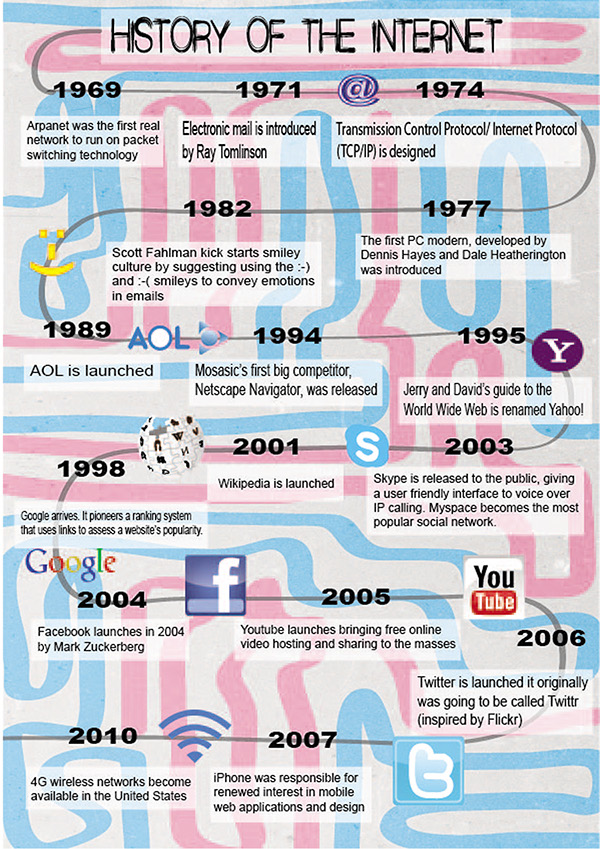
The Internet was created in the late 1960s by the U.S. Department of Defense's Advanced Research Projects Agency (ARPA). The main purpose of the Internet was to create a network that could withstand a nuclear attack, so that important military information could be shared between different locations. The network was called ARPANET, and it was the first step towards the modern Internet.
The Birth of the World Wide Web

In 1989, a British computer scientist named Tim Berners-Lee invented the World Wide Web (WWW). Berners-Lee was working at the European Organization for Nuclear Research (CERN) in Switzerland, and he wanted to create a way for scientists to share information more easily. He developed a system that allowed documents to be linked together, creating the first website.
The Evolution of the Internet

Over the years, the Internet has evolved and grown at an incredible rate. In the 1990s, the first web browser was created, making it easier for people to access the World Wide Web. The first search engine, called Archie, was also created in the early 1990s.
In the early 2000s, social media began to emerge, with the launch of sites like MySpace and Facebook. Online shopping also became more popular, with websites like Amazon and eBay allowing people to buy and sell goods from the comfort of their own homes.
The Impact of the Internet

The Internet has had a huge impact on society, changing the way we communicate, work, and access information. It has made it easier for people to connect with each other from all over the world, and has provided access to a wealth of knowledge and resources.
However, the Internet has also brought about new challenges, such as cybercrime and online privacy concerns. As the Internet continues to evolve, it will be important for us to find ways to address these issues and ensure that the Internet remains a safe and open resource for everyone.
Conclusion
The history of the Internet and the World Wide Web is a fascinating story of innovation and progress. From its humble beginnings as a military network, to its current status as a global communication and information resource, the Internet has changed the world in countless ways. As we look to the future, it will be interesting to see how the Internet continues to evolve and shape our lives.
Related video of History of Internet and WWW
There’s something about doughnuts that makes them irresistible. Whether you prefer them glazed or filled, cake or yeast, doughnuts are an iconic treat that have been enjoyed for generations. But have you ever wondered where they came from? Here are some interesting facts about the history of doughnuts.
The Origin of Doughnuts

The exact origin of doughnuts is unclear, but it’s believed they were first made in the mid-19th century by Dutch settlers in North America. These early doughnuts were called “olykoeks,” which means “oily cakes” in Dutch. They were made by frying balls of dough in pork fat, and were often served with nuts or fruit.
The Doughnut Gets its Name
/homemade-plain-cake-doughnut-recipe-305009-Final-5baaa0e4c9e77c0050365b29.jpg)
The word “doughnut” was first used in the early 1800s, and refers to the shape of the pastry. The original spelling was “dough-nut,” but it was eventually shortened to the version we use today.
The Doughnut Becomes Popular

Doughnuts became popular in the United States during World War I, when American soldiers were served doughnuts by Salvation Army volunteers on the front lines. The soldiers loved the sweet treats, and the popularity of doughnuts skyrocketed as a result.
Doughnuts Around the World

While doughnuts are most commonly associated with North America, they are enjoyed around the world. In Australia, they are called “donuts,” and are often filled with jam or cream. In Japan, they are called “anpan,” and are filled with sweet bean paste. In Poland, they are called “paczki,” and are often filled with fruit or custard.
Doughnut Varieties

There are many different types of doughnuts, each with its own unique flavor and texture. Cake doughnuts are dense and moist, while yeast doughnuts are light and airy. Glazed doughnuts are coated in a sweet, sugary glaze, while filled doughnuts are stuffed with cream, jam, or other sweet fillings. There are even savory doughnuts, like the bacon and maple doughnuts that have become popular in recent years.
Doughnuts in Pop Culture

Doughnuts have made appearances in many movies, TV shows, and books over the years. In The Simpsons, Homer Simpson is a famous doughnut lover, and the show even has a fictional doughnut shop called “Lard Lad Donuts.” In the movie Zombieland, the characters search for the last Twinkie in America, only to find a stash of Hostess powdered doughnuts instead.
The World’s Largest Doughnut
/GettyImages-1043786108-5bcdec0746e0fb0026c74f21.jpg)
The world’s largest doughnut was made in 1998 in Utica, New York. It was a jelly-filled doughnut that weighed over 1.7 tons and was over 16 feet in diameter. It took 40 people to lift it onto a truck for transport!
The Future of Doughnuts

Doughnuts have been around for over a century, but they continue to evolve and adapt to changing tastes and trends. From artisanal doughnuts made with unique flavor combinations to vegan and gluten-free options, there’s a doughnut for everyone. So, whether you’re a classic glazed fan or love to try new and innovative flavors, there’s never been a better time to enjoy a doughnut.
Related video of History of Doughnuts Facts

Christie's is a British auction house founded by James Christie in 1766. It is one of the oldest and most renowned auction houses in the world. Christie's has been a leader in the art market for over two centuries and has sold some of the most valuable and rare objects.
Early Days of Christie's

James Christie was a highly successful auctioneer who held his first sale in 1766. His first sale was a collection of paintings, which Christie sold to the highest bidder. Christie's quickly gained a reputation for selling high-quality art and antiques.
Christie's became a popular destination for collectors, dealers, and art lovers. The auction house expanded its offerings and began selling furniture, porcelain, silver, and other decorative arts.
Christie's Expands Globally

Christie's expanded its reach by opening offices in New York in 1977, followed by Hong Kong in 1986. Christie's has since opened offices in Paris, Geneva, Dubai, and other cities around the world.
The New York office quickly became one of the busiest auction houses in the world and helped Christie's become a global brand. Christie's auctions became an international event, with collectors and bidders from all over the world participating in the auctions.
Christie's Today
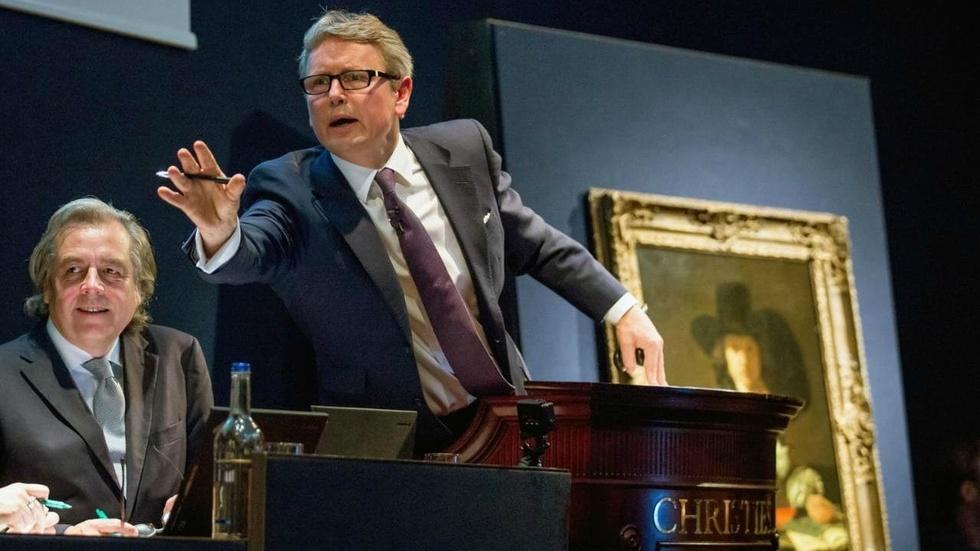
Christie's is still one of the most important auction houses in the world. It has expanded its offerings to include contemporary art, jewelry, wine, and more. Christie's is known for selling some of the most valuable and rare objects, including the record-breaking sale of a Leonardo da Vinci painting for $450 million in 2017.
Christie's has also embraced technology and offers online auctions, which have become increasingly popular in recent years. Christie's continues to be a leader in the art market and is a destination for collectors, dealers, and art lovers from around the world.
Conclusion
Christie's has a long and rich history as one of the oldest and most renowned auction houses in the world. From its early days in London to its global expansion, Christie's has been a leader in the art market for over two centuries. Today, Christie's continues to be a destination for collectors, dealers, and art lovers from around the world, and its auctions are international events that attract bidders from all over the globe.
Related video of History Of Christie's Auction House
A wedding ring is a symbol of love and commitment between two people. Wearing a wedding ring is a tradition that has been around for centuries, with the earliest recorded instance dating back to ancient Egypt. The history behind wedding rings is fascinating, and it adds to the significance and meaning of this timeless tradition.
Ancient Egypt
The ancient Egyptians believed that the circle was a symbol of eternity, and they used rings as a representation of this belief. They made rings out of woven reeds, leather, and bone, and they wore them on the fourth finger of the left hand, which they believed had a vein that connected directly to the heart.
Ancient Greece and Rome

The ancient Greeks and Romans also adopted the tradition of wearing wedding rings. They made their rings out of iron, and they believed that the metal would ward off evil spirits. The rings were also a sign of ownership, as they were given by the groom to the bride as a symbol of their commitment to each other.
The Middle Ages
During the Middle Ages, wedding rings became more ornate and expensive. They were often made of gold or silver and were decorated with precious stones. The rings were also engraved with romantic messages and symbols, and they were worn on the third finger of the left hand, which was believed to be the "ring finger."
The Renaissance

The Renaissance saw a resurgence of interest in ancient Greek and Roman culture, and this was reflected in the design of wedding rings. Rings became more intricate and were often set with diamonds and other precious gems. The tradition of engraving romantic messages and symbols on the rings continued, and this tradition is still popular today.
The Modern Era
In the modern era, wedding rings have become more diverse in their design and materials. Rings can be made out of a variety of metals, including gold, silver, platinum, and titanium, and they can be set with a wide range of gems and stones. The tradition of wearing a wedding ring on the left hand's fourth finger remains popular in many cultures.
The Symbolism of Wedding Rings

The symbolism of wedding rings is significant and enduring. The circular shape of the ring represents eternity and the unbroken bond between two people. The ring's unending circle also represents the couple's unending love and commitment to each other. The ring's placement on the fourth finger of the left hand is a symbol of the heart's connection to love and emotion.
Conclusion
The history behind wedding rings is rich and varied, and it adds to the significance and meaning of this timeless tradition. Whether made of woven reeds or studded with diamonds, wedding rings remain a symbol of love, commitment, and enduring partnership.