
Teenage Mutant Ninja Turtles are a group of four fictional turtles who are trained in the art of ninjutsu. Each of the turtles is named after a Renaissance artist, and Raphael is one of them. Raphael, also known as Raph, is the turtle who wears a red mask and wields a pair of sai. Here are some interesting facts about Raphael:
1. He is the "cool but rude" turtle

Raphael is often portrayed as the "cool but rude" turtle who likes to do things his way. He is known for his sarcastic attitude and short temper. However, he is also fiercely loyal to his brothers and will do anything to protect them.
2. His sai are his signature weapons

Raphael's signature weapons are a pair of sai, which are short, pointed metal sticks with a pronged guard. He is highly skilled in using them and can use them to deflect attacks, disarm opponents, and even climb walls.
3. He has a rivalry with Leonardo
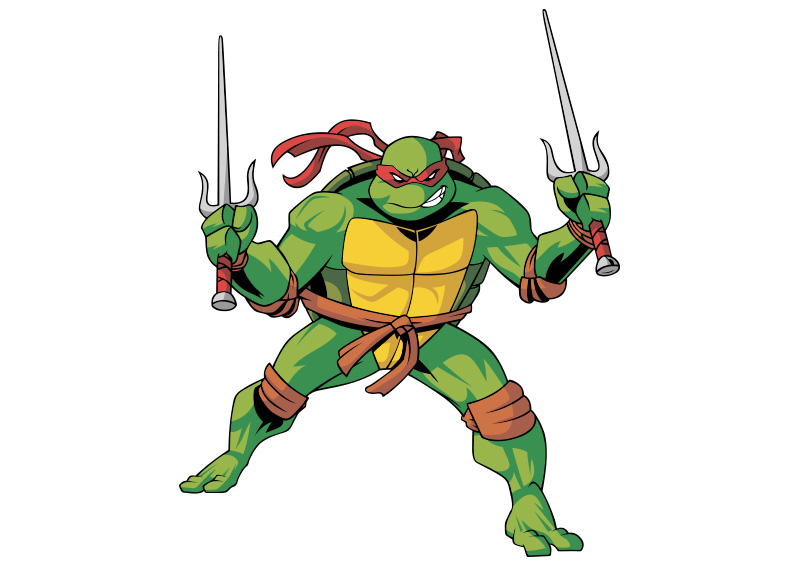
Raphael and Leonardo, the turtle who wears a blue mask and wields two katanas, have a rivalry that is often portrayed in the Teenage Mutant Ninja Turtles franchise. Raphael sees Leonardo as too rigid and traditional, while Leonardo sees Raphael as too impulsive and reckless.
4. He is the strongest turtle

Raphael is often portrayed as the strongest of the turtles, with the most physical strength and endurance. He is also the most aggressive and tends to charge headfirst into battle.
5. He has a soft spot for April O'Neil

Raphael has a soft spot for April O'Neil, a human friend of the turtles who often helps them in their battles against their enemies. He is protective of her and will go to great lengths to ensure her safety.
6. He has a tough exterior but a soft interior

While Raphael has a tough exterior, he also has a soft interior. He cares deeply for his brothers and is willing to put himself in danger to protect them. He also has a soft spot for animals and often takes in strays.
7. He is the second-oldest turtle

Raphael is the second-oldest turtle, with Leonardo being the oldest. He is portrayed as being in his late teens or early twenties.
8. He has a scar on his face
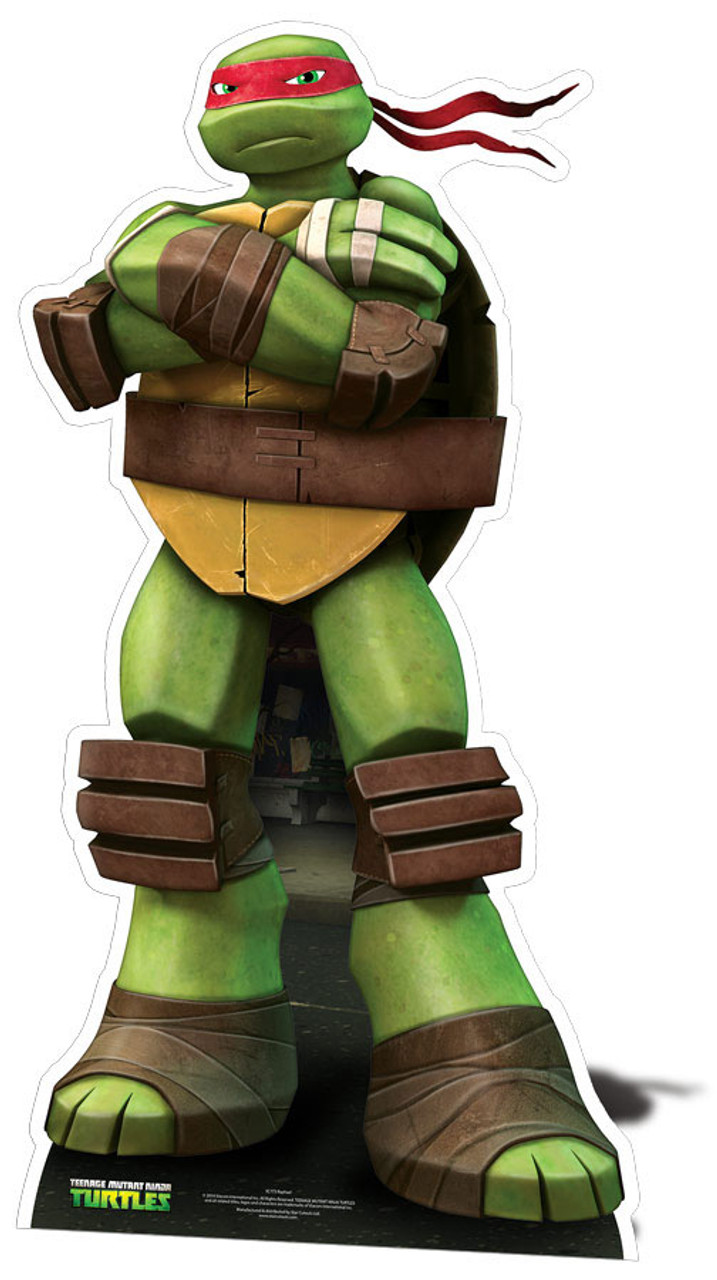
Raphael has a scar on his face, which is often shown in the Teenage Mutant Ninja Turtles franchise. The scar is usually shown on the right side of his face, and its origin is never fully explained.
9. He has been voiced by several actors

Raphael has been voiced by several actors throughout the years, including Josh Pais, Rob Paulsen, Nolan North, and Sean Astin.
10. He is a fan-favorite turtle

Raphael is often cited as a fan-favorite turtle, with many people drawn to his tough-guy attitude and sarcastic wit. He is also a popular choice for Halloween costumes and cosplay.
Conclusion
Raphael is one of the most popular characters in the Teenage Mutant Ninja Turtles franchise. He is known for his tough exterior, signature sai, and sarcastic attitude. However, he also has a soft interior and cares deeply for his brothers and friends. Whether you are a longtime fan of the turtles or just getting into the franchise, Raphael is a character that is sure to leave an impression.
Related video of Facts About Raphael The Ninja Turtle
Horses and ponies are fascinating animals that have been domesticated by humans for centuries. They are known for their strength, speed, and grace. In this article, we will explore some interesting facts about these majestic creatures.
Physical Characteristics

Horses and ponies come in different breeds and sizes. However, they share some common physical characteristics such as their long necks, muscular bodies, and four legs. Horses are generally larger than ponies and can weigh up to 1,000 kg. Ponies, on the other hand, are smaller and can weigh up to 500 kg.
One of the most recognizable features of horses and ponies is their mane and tail. They have long, flowing hair that can be groomed in different styles. Their hooves are also unique, as they are made of keratin and need to be trimmed regularly to keep them healthy.
Behavior

Horses and ponies are social animals that live in herds. They have a hierarchical structure and communicate with each other through body language, vocalizations, and scents. They are also intelligent creatures that can learn and remember things quickly.
When it comes to their behavior around humans, horses and ponies can be trained to perform different tasks such as riding, racing, or working. They can also form strong bonds with their owners and handlers.
Diet

Horses and ponies are herbivores, which means they only eat plants. Their diet consists of hay, grass, and grains. They also need access to fresh water at all times.
It's important to provide horses and ponies with a balanced diet that meets their nutritional needs. Feeding them too much or too little can lead to health problems such as obesity or malnutrition.
Health

Horses and ponies are prone to certain health issues such as lameness, colic, and respiratory problems. It's important to provide them with proper care and regular check-ups from a veterinarian.
One way to ensure their health is by providing them with enough exercise. Horses and ponies need to move around to keep their muscles and joints healthy. They also need regular grooming to maintain their coat and skin.
History

Horses and ponies have been domesticated by humans for thousands of years. They were first used for transportation, agriculture, and warfare. Over time, they became a symbol of wealth and status.
Today, horses and ponies are still used for various purposes such as racing, riding, and therapy. They are also popular pets and companions.
Fun Facts

Here are some fun facts about horses and ponies:
- The fastest recorded speed for a horse is 88 km/h.
- Horses and ponies can sleep both lying down and standing up.
- The smallest pony in the world is only 43 cm tall.
- Horses and ponies have a 360-degree field of vision.
- They can also see in color.
- Horses and ponies can live up to 30 years.
Conclusion
Horses and ponies are fascinating animals that have played an important role in human history. They are strong, intelligent, and beautiful creatures that deserve our respect and care.
Related video of Facts About Horses And Ponies

Comets and asteroids are two of the most fascinating objects in our solar system. They have intrigued humans for thousands of years and continue to be the subject of much research and study. In this article, we will explore some of the most interesting facts about comets and asteroids.
What Are Comets?

Comets are small, icy objects that orbit the sun. They are made up of a nucleus, a coma, and a tail. The nucleus is the solid part of the comet, while the coma is the cloud of gas and dust that surrounds it. The tail is the most visible part of the comet and is made up of gas and dust that is blown away from the coma by the solar wind.
Where Do Comets Come From?

Comets come from two main sources: the Kuiper Belt and the Oort Cloud. The Kuiper Belt is a region of the solar system beyond Neptune that is home to many small, icy objects. The Oort Cloud is a hypothetical region of the solar system that is believed to be home to trillions of comets.
What Are Asteroids?

Asteroids are small, rocky objects that orbit the sun. They are similar to planets in that they have a solid surface, but they are much smaller. Most asteroids are found in the asteroid belt, which is a region of the solar system between Mars and Jupiter.
Where Do Asteroids Come From?

Asteroids are believed to be the remnants of the early solar system. They are thought to be the building blocks of planets and may have formed from the same dust and gas that formed the sun and the planets.
What Are Some Interesting Facts About Comets?

- The word "comet" comes from the Greek word "kometes," which means "long-haired star."
- Comets are often called "dirty snowballs" because they are made up of ice and dust.
- Halley's Comet is perhaps the most famous comet. It is visible from Earth once every 76 years.
- Comets can be as small as a few meters across or as large as tens of kilometers across.
- Comets can have multiple tails, which are formed by the interaction between the solar wind and the coma.
What Are Some Interesting Facts About Asteroids?
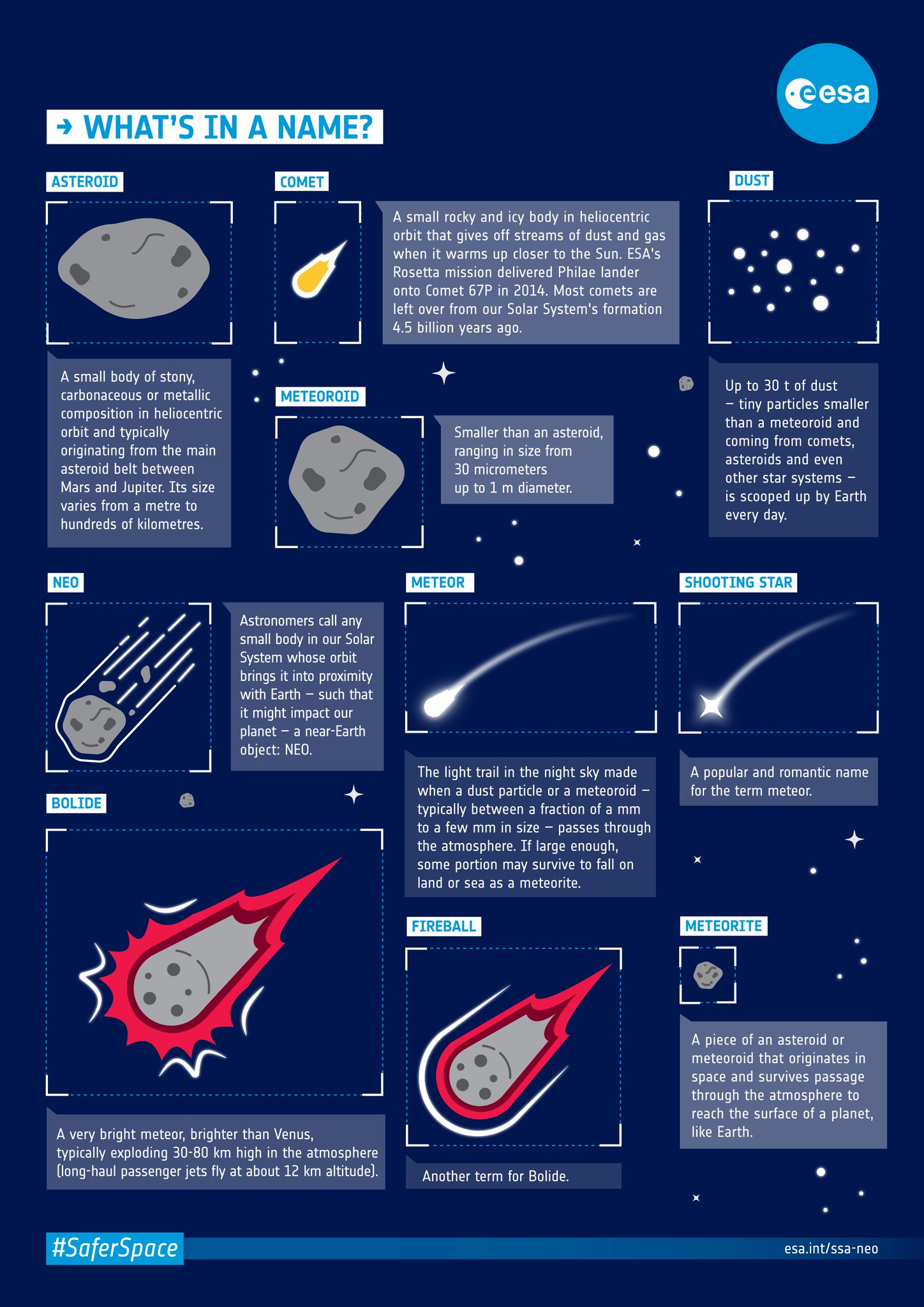
- The largest asteroid in the asteroid belt is Ceres, which is also classified as a dwarf planet.
- Asteroids can be as small as a few meters across or as large as several hundred kilometers across.
- Asteroids can have moons orbiting around them.
- Over 99% of the mass in the asteroid belt is contained in just four objects: Ceres, Vesta, Pallas, and Hygiea.
- It is believed that an asteroid impact was responsible for the extinction of the dinosaurs.
Conclusion
Comets and asteroids are fascinating objects that have captured the imagination of humans for thousands of years. They continue to be the subject of much research and study, and we are still learning new facts about them all the time. Whether you are interested in the icy tails of comets or the rocky surfaces of asteroids, there is always something new to discover in the world of these mysterious objects.
Related video of Facts About Comets And Asteroids

As human beings, we are constantly making judgments and forming opinions about the world around us. However, it is important to understand the difference between a fact and an opinion. In this article, we will delve deeper into the definitions of fact and opinion, and why it is important to distinguish between the two.
What is a Fact?

A fact is a statement that can be proven to be true or false based on objective evidence. In other words, it is a statement that can be verified through scientific methods, research, or other reliable sources. For example, "the earth revolves around the sun" is a fact that has been scientifically proven.
Another example of a fact is "water boils at 100 degrees Celsius at sea level." This is a statement that can be scientifically tested and proven to be true or false.
What is an Opinion?

An opinion, on the other hand, is a statement that expresses a belief or judgment about something that cannot be proven to be true or false. It is a personal view or attitude about a particular topic, issue, or situation.
For example, "chocolate ice cream is the best flavor" is an opinion. It cannot be proven to be true or false because it is based on personal preference and individual taste.
Why is it Important to Distinguish between Fact and Opinion?

It is important to distinguish between fact and opinion because they have different purposes and serve different functions. Facts are used to inform, educate, and provide evidence to support arguments or claims. Opinions, on the other hand, are used to express personal views, beliefs, or attitudes.
When we confuse facts with opinions, we can unintentionally spread misinformation or false information. This can lead to misunderstandings, confusion, and even conflict.
How to Identify a Fact from an Opinion?

Identifying a fact from an opinion requires critical thinking and careful analysis. Here are some tips to help you distinguish between the two:
- Facts can be proven or verified through reliable sources, such as scientific studies, research, or statistics.
- Opinions are based on personal beliefs, attitudes, or preferences.
- Facts can be agreed upon by most people, while opinions can vary from person to person.
- Facts are objective, while opinions are subjective.
Examples of Fact vs. Opinion

Here are some examples to help you understand the difference between fact and opinion:
- Fact: The earth is round.
- Opinion: Pizza is the best food.
- Fact: Water freezes at 0 degrees Celsius.
- Opinion: The Avengers is the best movie franchise.
- Fact: The sun rises in the east and sets in the west.
- Opinion: Red is the best color.
Conclusion
In conclusion, understanding the difference between fact and opinion is crucial for effective communication and critical thinking. By being able to identify and distinguish between the two, we can avoid spreading misinformation and false information, and make informed decisions based on reliable evidence and objective facts.
Related video of Fact Vs Opinion Definition: Understanding the Difference
Fabric softeners and dryer sheets are two popular laundry products that many people use to soften fabrics, reduce static cling, and add a pleasant scent to their clothes. However, there are some differences between the two products that you should be aware of before choosing which one to use. In this article, we will compare fabric softener sheets and dryer sheets to help you decide which one is right for you.
What are Fabric Softener Sheets?
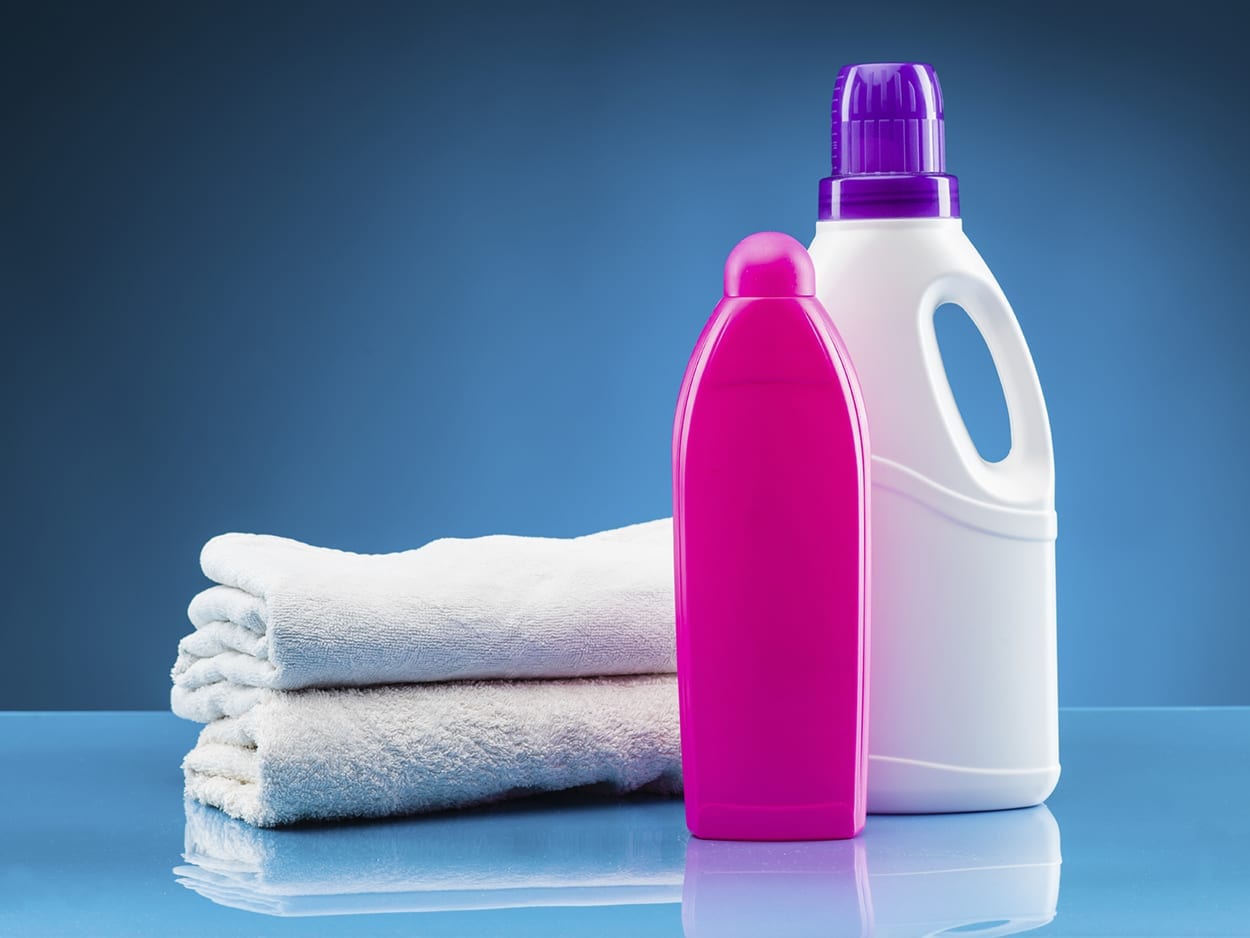
Fabric softener sheets are small, thin sheets that are added to the dryer along with the clothes. They are coated with a softening and anti-static agent that is released during the drying cycle. Fabric softener sheets are available in a variety of scents and can make your clothes feel softer and smell fresher.
What are Dryer Sheets?

Dryer sheets are similar to fabric softener sheets in that they are also coated with a softening and anti-static agent. However, they are designed to be used in different ways. Dryer sheets are placed in the dryer along with the clothes, and they are meant to be used only once. They can also add a pleasant scent to your clothes.
How do they Work?
Fabric softener sheets and dryer sheets work in similar ways. They both contain a softening agent that coats the fibers of the clothes, making them feel softer and more comfortable to wear. They also contain an anti-static agent that helps to reduce static cling, which can be a problem during the dry winter months.
When you use a fabric softener sheet, it is activated by the heat of the dryer. As the sheet becomes warm, the softening and anti-static agents are released and coat the clothes. When you use a dryer sheet, it also releases the softening and anti-static agents, but it does so through the motion of the dryer drum.
Pros and Cons of Fabric Softener Sheets

One of the main advantages of fabric softener sheets is their convenience. They are easy to use and can be added to the dryer along with the clothes. They are also available in a variety of scents, so you can choose the one that you like the most.
However, there are also some disadvantages of using fabric softener sheets. One of the main concerns is that they can leave a residue on your clothes, which can cause skin irritation for some people. They can also be expensive over time, as you need to keep buying new sheets.
Pros and Cons of Dryer Sheets
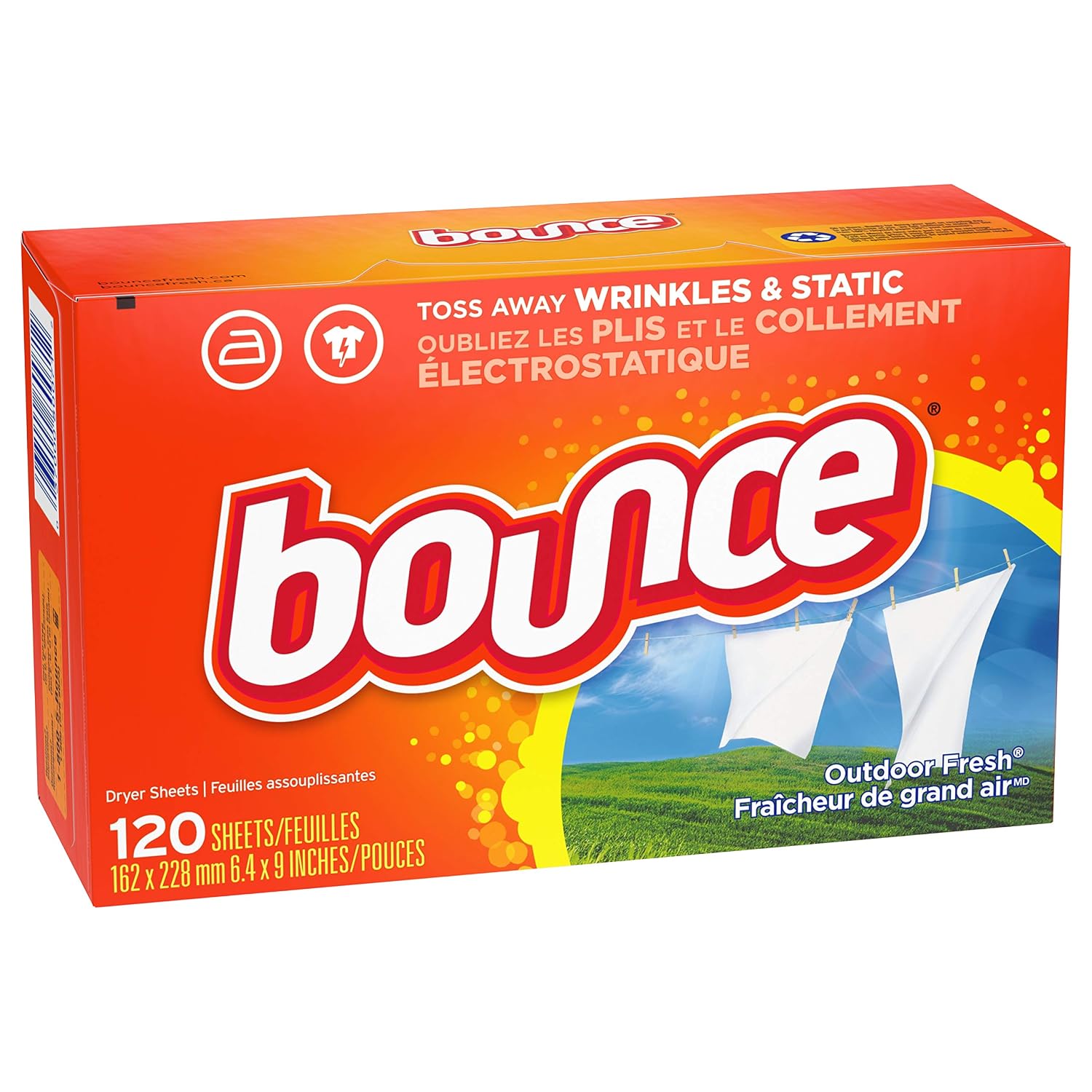
Dryer sheets also have some advantages and disadvantages. One of the main advantages is that they are very affordable and can be bought in bulk. They are also very easy to use and can be added to the dryer along with the clothes.
However, one of the main concerns with dryer sheets is that they can be harmful to the environment. They are often made from synthetic materials that do not biodegrade, and they can release harmful chemicals into the air during the drying process. They can also leave a residue on your clothes, which can cause skin irritation for some people.
Which One Should You Use?
When it comes to choosing between fabric softener sheets and dryer sheets, it really depends on your personal preference. If you want a convenient and easy-to-use product that adds a pleasant scent to your clothes, then fabric softener sheets might be the right choice for you. However, if you are concerned about the environment and want a more affordable option, then dryer sheets might be a better choice.
Ultimately, the choice is up to you. Both fabric softener sheets and dryer sheets can help to soften fabrics, reduce static cling, and add a pleasant scent to your clothes. It is important to consider the pros and cons of each product before making a decision.
Conclusion
Fabric softener sheets and dryer sheets are two popular laundry products that can make your clothes feel softer, reduce static cling, and add a pleasant scent to your laundry. While they work in similar ways, there are some differences between the two products that you should be aware of before choosing which one to use. It is important to consider the pros and cons of each product before making a decision.
Related video of Fabric Softener Sheets Vs Dryer Sheets

The invention of the can opener is one of the most significant inventions in history. It has revolutionized the way people store and preserve food. Before the can opener, people used to open cans by using various tools like knives, chisels, and hammers. In 1858, Ezra Warner invented the first can opener and changed the way people lived forever.
Who Was Ezra Warner?

Ezra Warner was an American inventor born in Waterbury, Connecticut, in 1819. He was a mechanic and a manufacturer by profession. He was also an active member of the community and served as a member of the school board and as a town clerk.
The Problem with Cans

Cans were first invented in the early 19th century. They were made of tinplate and were airtight. However, the problem with cans was that they could not be opened easily. People used to try to open them by using various tools, but it was a difficult and dangerous task.
The Invention of the Can Opener

Ezra Warner saw the problem with cans and decided to come up with a solution. In 1858, he invented the first can opener. His can opener was a simple device that consisted of a blade that was placed on top of the can and a rotating wheel that moved the blade around the can. The blade cut through the can, and the contents could be easily removed.
The Impact of the Can Opener

The invention of the can opener had a significant impact on society. It made it possible to store and preserve food for longer periods of time. It also made it easier and safer to open cans. Before the can opener, people had to use dangerous tools to open cans, which often resulted in injuries. The can opener made it possible to open cans quickly and easily, without any risk of injury.
The Evolution of the Can Opener

Over the years, the can opener has evolved. There are now many different types of can openers, including electric can openers, manual can openers, and handheld can openers. Each type of can opener has its own unique features and benefits.
The Legacy of Ezra Warner

Ezra Warner's invention of the can opener has had a lasting impact on society. His invention has made it possible for people to store and preserve food for longer periods of time. It has also made it safer and easier to open cans. Ezra Warner's legacy lives on today, and his invention continues to be used by millions of people around the world.
Conclusion
The invention of the can opener has had a significant impact on society. It has made it possible for people to store and preserve food for longer periods of time. It has also made it safer and easier to open cans. Ezra Warner's invention of the can opener was a simple but ingenious solution to a common problem. His legacy lives on today, and his invention continues to be used by millions of people around the world.
Related video of Ezra Warner Invents The Can Opener
Eye exams are essential to maintaining good vision and preventing eye diseases. One of the most common tools used during an eye exam is the eye chart or the Snellen chart. This chart is used to assess a patient's visual acuity, or their ability to see objects clearly at a distance. In this article, we will discuss the basics of the eye side test chart and its importance in eye exams.
What is an Eye Side Test Chart?
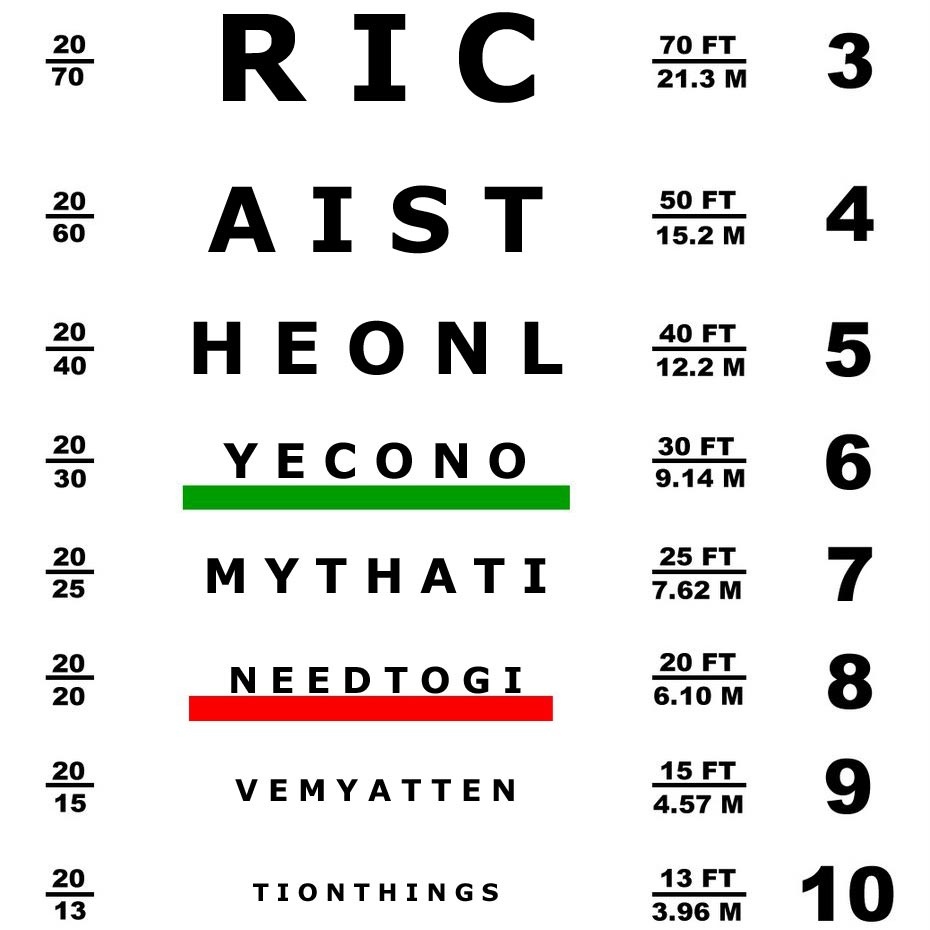
An eye side test chart, also known as a Snellen chart, is a tool used by eye care professionals to measure a person's visual acuity. It consists of several rows of letters, with each row progressively getting smaller. The chart is usually placed 20 feet away from the patient, and they are asked to read the letters from the top row to the bottom row.
How Does an Eye Side Test Chart Work?

The eye side test chart works by testing a person's ability to see objects clearly at a distance. The letters on the chart are standardized and have a specific size and spacing. A person with normal vision should be able to read the letters on the 20/20 line, which is the fourth line from the top. If a person cannot read the 20/20 line, they may have a visual acuity problem that needs to be addressed by an eye care professional.
What Does the Eye Side Test Chart Measure?

The eye side test chart measures a person's visual acuity, or their ability to see objects clearly at a distance. It can also be used to detect other vision problems such as nearsightedness, farsightedness, and astigmatism. The chart can also be used to monitor changes in a person's vision over time.
How to Prepare for an Eye Exam

Before your eye exam, it's important to prepare yourself by doing the following:
- Bring a list of any medications you are taking
- Bring your eyeglasses or contact lenses if you wear them
- Be prepared to answer questions about your medical history and any vision problems you may be experiencing
- Be prepared to have your eyes dilated, which can cause temporary blurriness and sensitivity to light
How Often Should You Get an Eye Exam?

The frequency of eye exams depends on several factors, including age, overall health, and any vision problems you may be experiencing. In general, the American Optometric Association recommends the following guidelines:
- Children should have their first eye exam at 6 months of age, then again at 3 years old, and before starting school
- Adults should have a comprehensive eye exam every two years, or more frequently if they have certain risk factors such as diabetes or a family history of eye diseases
- Seniors should have an eye exam every year to monitor for age-related vision changes and eye diseases
The Importance of Eye Exams

Eye exams are essential to maintaining good vision and preventing eye diseases. Many eye diseases, such as glaucoma, do not have any noticeable symptoms in the early stages. Regular eye exams can detect these problems early and prevent irreversible vision loss.
Conclusion
The eye side test chart is a simple yet effective tool used during eye exams to measure a person's visual acuity. It is important to have regular eye exams to maintain good vision and prevent eye diseases. If you are experiencing any vision problems or have not had an eye exam in a while, make an appointment with an eye care professional today.
Related video of Eye Side Test Chart: Understanding the Basics
Eye floaters are tiny specks or cobweb-like structures that drift across your field of vision. They are usually harmless, but they can be annoying and even distracting. Most people experience eye floaters at some point in their lives, and they usually go away on their own.
What Causes Eye Floaters?
Eye floaters are caused by tiny pieces of debris floating in the vitreous, which is the gel-like substance that fills the inside of your eye. The vitreous is made up of mostly water, but it also contains collagen fibers and other proteins. As you age, the vitreous becomes more liquid, and the collagen fibers can clump together, casting shadows on your retina and causing floaters.
Are Eye Floaters Dangerous?

Most eye floaters are harmless and do not require treatment. However, if you suddenly develop a lot of floaters or if you notice flashes of light or a loss of peripheral vision, you should see an eye doctor immediately. These symptoms could indicate a more serious condition, such as a retinal tear or detachment.
How Can You Get Rid of Eye Floaters?

There is no guaranteed way to get rid of eye floaters, but there are some things you can do to reduce their frequency or intensity. These include:
- Getting regular eye exams to monitor any changes in your vision
- Avoiding bright lights or glare
- Wearing sunglasses to protect your eyes from ultraviolet rays
- Staying hydrated to keep your vitreous from becoming too thick
If your eye floaters are particularly bothersome, you may want to talk to your eye doctor about possible treatments, such as laser therapy or surgery. However, these treatments are not without risk, and they may not be effective for everyone.
Conclusion
Eye floaters are a common and usually harmless condition that can be annoying but don't typically require treatment. If you experience a sudden increase in floaters or other vision changes, however, you should see an eye doctor immediately. With proper care and attention, you can minimize the impact of eye floaters on your daily life.