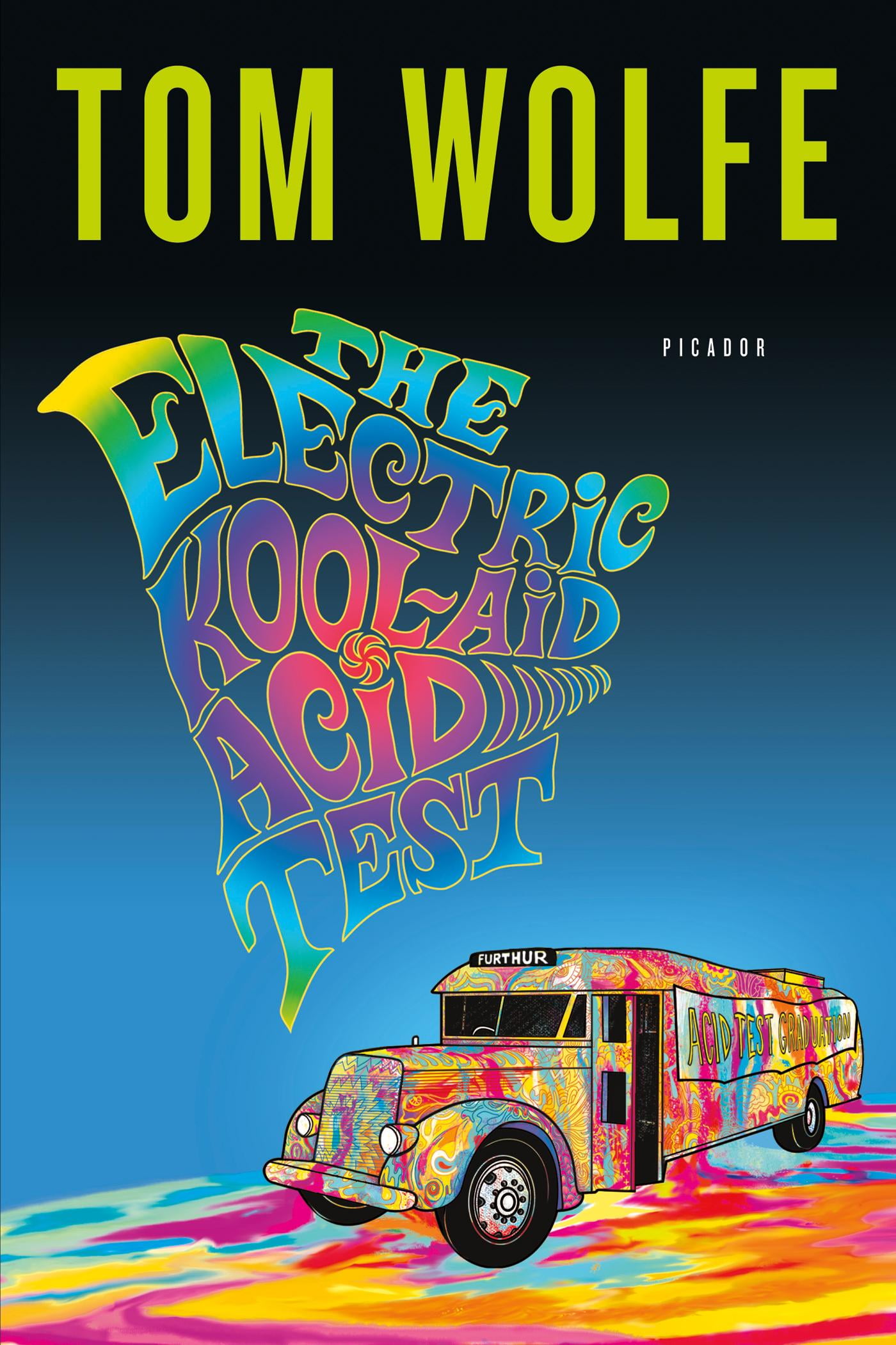
The Electric Kool Aid Drink is a refreshing summer cooler that is perfect for beating the heat. This sweet and tangy drink is a favorite among kids and adults alike. It's a great way to quench your thirst and cool down on a hot summer day.
History of Electric Kool Aid Drink

The Electric Kool Aid Drink was first introduced in the 1960s by the American author, Ken Kesey. Kesey was a prominent figure in the counterculture movement of the 1960s and was famous for his novel, One Flew Over the Cuckoo's Nest. The drink was popularized by Kesey and his group of followers, known as the Merry Pranksters, who traveled across the country in a psychedelic bus.
Ingredients of Electric Kool Aid Drink
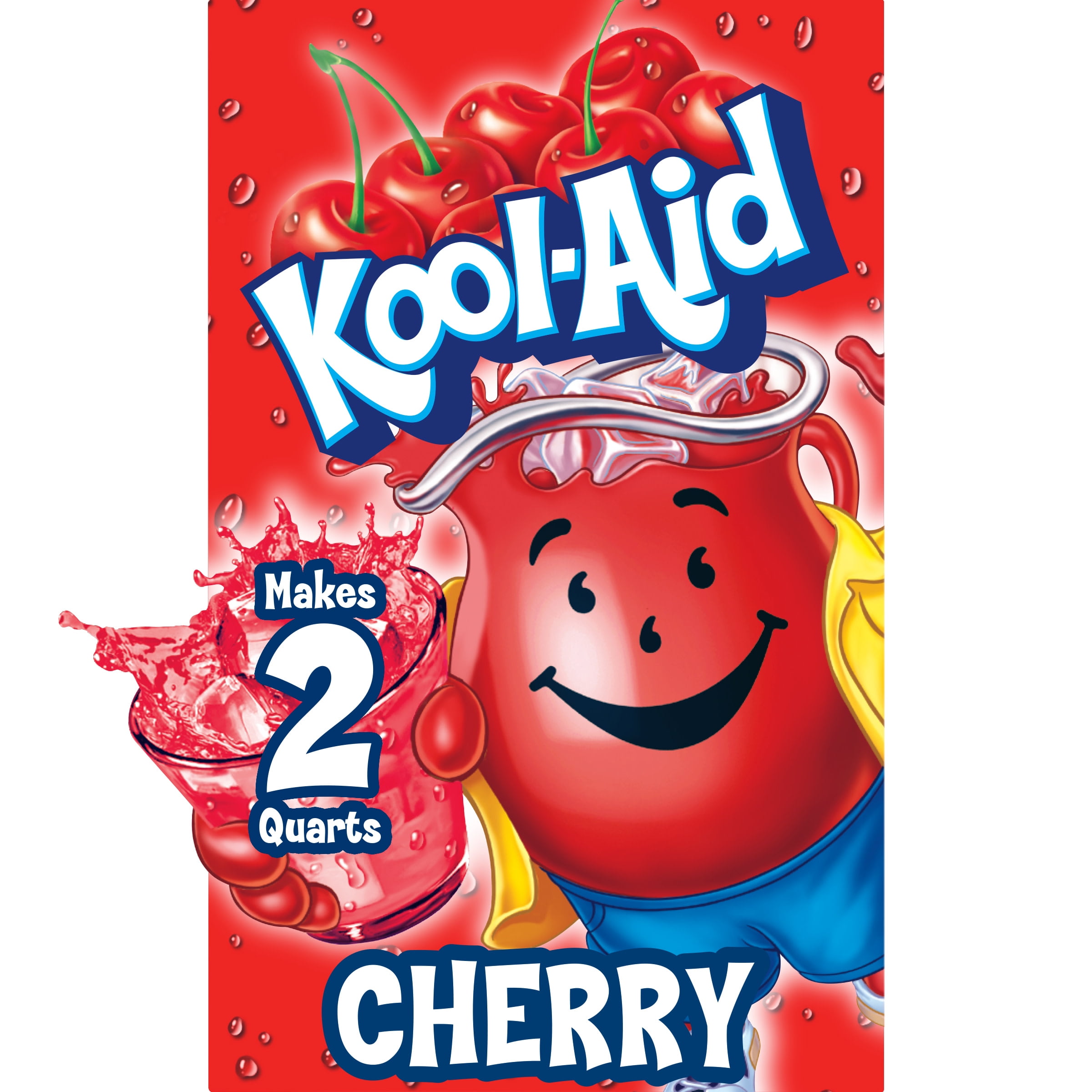
The ingredients of Electric Kool Aid Drink are simple and easy to find. You will need:
- 1 packet of Kool-Aid
- 1 cup of sugar
- 2 quarts of water
- 1 can of frozen lemonade concentrate
- 1 can of frozen orange juice concentrate
Simply mix all the ingredients together in a large pitcher and stir until the sugar is dissolved. Chill in the refrigerator for a few hours before serving.
Variations of Electric Kool Aid Drink

There are many variations of Electric Kool Aid Drink that you can try. Here are some of our favorites:
- Add some fresh fruit like strawberries or raspberries to the mix for a fruity twist
- Use different flavors of Kool-Aid to create a rainbow of colors
- Replace the lemonade and orange juice concentrate with other flavors like lime or grapefruit
- Add some soda water for a fizzy version of the drink
Serving Suggestions for Electric Kool Aid Drink

The Electric Kool Aid Drink is a versatile drink that can be served in many different ways. Here are some of our favorite serving suggestions:
- Serve in a large pitcher with plenty of ice
- Garnish with a slice of lemon or lime
- Serve in mason jars for a rustic look
- Add some fresh mint leaves for a refreshing twist
Conclusion

The Electric Kool Aid Drink is a fun and easy drink to make that is perfect for any summer occasion. Whether you're hosting a backyard barbecue or just lounging by the pool, this drink is sure to please. So why not try making your own Electric Kool Aid Drink today and see how refreshing and delicious it can be!
Related video of Electric Kool Aid Drink: The Ultimate Summer Cooler

What is an EKG Line?
An electrocardiogram (EKG or ECG) is a non-invasive medical test that measures the electrical activity of the heart. It involves placing electrodes on the skin of the chest, arms, and legs, which are connected to a machine that records the heart's electrical impulses as a graph known as the EKG line.

Understanding the EKG Line with Heart
The EKG line with heart is a graphical representation of the heart's electrical activity. It shows the timing and strength of each electrical signal as it travels through the heart's four chambers, causing them to contract and relax in a coordinated manner.
The EKG line is a series of waves and spikes, each with a specific name and meaning. The first wave is the P wave, which represents the electrical activity of the atria (upper chambers of the heart). The QRS complex is the next wave, which represents the electrical activity of the ventricles (lower chambers of the heart) as they contract. Finally, the T wave represents the repolarization (recharging) of the ventricles as they prepare for the next heartbeat.

Why is EKG Line with Heart Important?
An EKG line with heart can help diagnose a wide range of heart-related conditions, including arrhythmias (abnormal heart rhythms), heart attacks, and heart failure. It is a quick and painless procedure that can be performed in a doctor's office, emergency room, or hospital.
By analyzing the EKG line with heart, doctors can determine if the heart is beating too fast or too slow, if there are any abnormalities in the heart's electrical conduction system, or if there is damage to the heart muscle. This information can help guide treatment and improve outcomes for patients with heart disease.

How to Prepare for an EKG Test?
Preparing for an EKG test is simple and involves wearing loose-fitting clothing that allows easy access to the chest area. Avoid wearing any lotions, oils, or powders on your skin as they can interfere with the electrodes' ability to stick to the skin.
Inform your doctor if you are taking any medications or have any medical conditions that may affect the EKG results. You may be asked to hold your breath or lie still during the test to ensure accurate readings.

What Can an EKG Test Detect?
An EKG test can detect a variety of heart-related conditions, including:
- Arrhythmias (abnormal heart rhythms)
- Coronary artery disease
- Heart attack or damage to the heart muscle
- Heart failure
- Inflammation or infection of the heart (pericarditis or endocarditis)
- Structural abnormalities of the heart (such as congenital heart defects)

What Happens During an EKG Test?
During an EKG test, you will be asked to lie down on a table while electrodes are placed on your chest, arms, and legs. The electrodes are attached to a machine that records your heart's electrical activity as a graph (EKG line).
The test usually takes only a few minutes to complete and is painless. You may feel a slight discomfort when the electrodes are removed from your skin.

What Can Affect EKG Results?
Several factors can affect EKG results, including:
- Body movements or shivering
- Electrolyte imbalances (such as low potassium or magnesium levels)
- Heart conditions (such as arrhythmias or heart block)
- Medications (such as beta-blockers or digoxin)
- Pulmonary conditions (such as chronic obstructive pulmonary disease or asthma)
- Stress or anxiety

When is an EKG Test Needed?
Your doctor may recommend an EKG test if you are experiencing symptoms that may be related to a heart problem, such as:
- Chest pain or discomfort
- Dizziness or lightheadedness
- Fainting or near-fainting
- Heart palpitations (feeling like your heart is racing or skipping a beat)
- Shortness of breath
An EKG test may also be recommended as part of a routine physical exam, especially if you have risk factors for heart disease, such as high blood pressure, high cholesterol, or a family history of heart disease.

Conclusion
The EKG line with heart is a valuable tool in diagnosing and monitoring heart-related conditions. It is a painless and non-invasive procedure that can be performed quickly in a doctor's office or hospital. If you are experiencing any symptoms related to a heart problem, talk to your doctor about whether an EKG test may be necessary.
Related video of EKG Line with Heart: Understanding Your Heart Health

Egypt is a country of mystery and wonder, with a rich history that dates back thousands of years. The ancient Egyptians were known for their advancements in science, art, and architecture, and they left behind a legacy that continues to fascinate people around the world today. One of the most interesting aspects of Egyptian culture is their language, which is still used in certain contexts today. In this article, we will explore the Egyptian word for man, and what it reveals about the culture and society of ancient Egypt.
The Egyptian Word for Man: "Irem"

The word for man in ancient Egyptian is "irem". This word was used to refer to adult males, and it was an important part of the language and culture of the time. The ancient Egyptians had a complex society, with different classes and roles for men and women, and the word "irem" played a significant role in defining those roles.
The Role of Men in Ancient Egyptian Society

In ancient Egyptian society, men held positions of power and authority. They were often the rulers, priests, and warriors, and they were responsible for protecting and providing for their families. Women, on the other hand, were expected to be homemakers and caretakers, and their roles were more limited than those of men. Despite this, women still wielded significant influence in certain areas, such as religion and medicine.
The Importance of Language in Ancient Egypt

Language was a vital part of ancient Egyptian culture, and it played a role in every aspect of society. The hieroglyphic script was used for official documents, religious texts, and artistic expression, and it was a highly developed system of writing that allowed the Egyptians to record their history and communicate with one another.
The Legacy of Ancient Egyptian Language
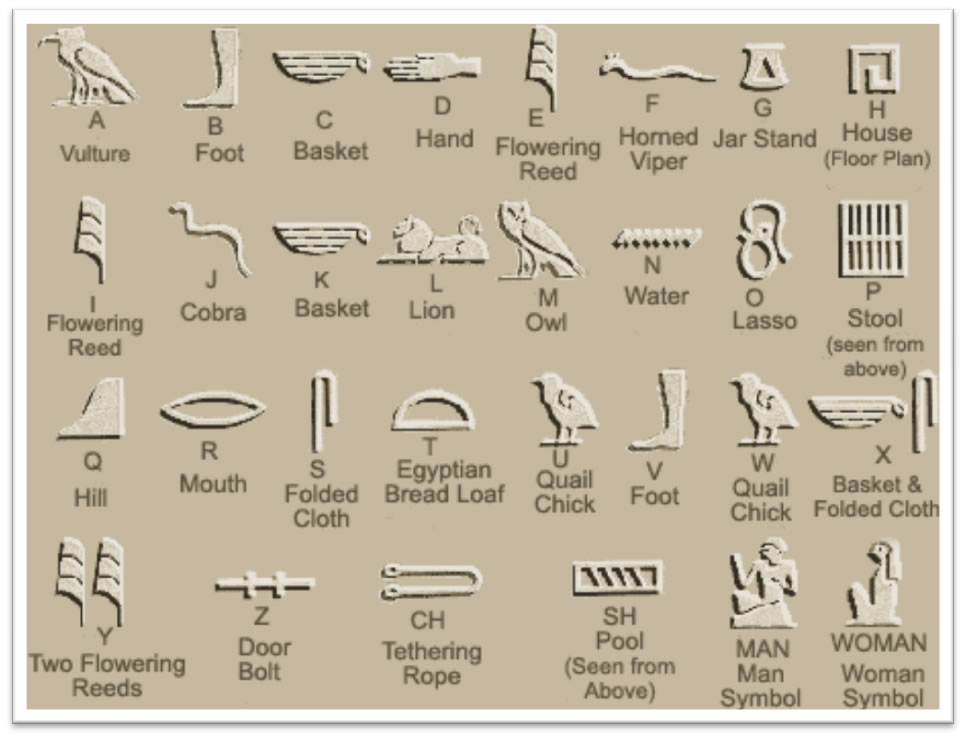
Today, the ancient Egyptian language is still studied and used in certain contexts. Scholars and linguists continue to decipher hieroglyphic texts and explore the nuances of the language, and it remains an important part of Egypt's cultural heritage.
Conclusion
The Egyptian word for man, "irem", is just one small part of the rich and complex culture of ancient Egypt. By exploring this word and its significance, we can gain a deeper understanding of the roles and expectations of men in that society, as well as the importance of language and writing in shaping their world. Today, we can still appreciate and learn from the legacy of ancient Egypt, and continue to marvel at the mysteries and wonders of this fascinating civilization.
Related video of Egyptian Word For Man

Chocolate is a delicious treat for humans, but it can be very dangerous for dogs. Theobromine, a chemical found in chocolate, is toxic to dogs and can cause a range of symptoms, from mild to severe. In this article, we will discuss the effects of chocolate on dogs and the symptoms to look out for.
What Makes Chocolate Dangerous for Dogs?

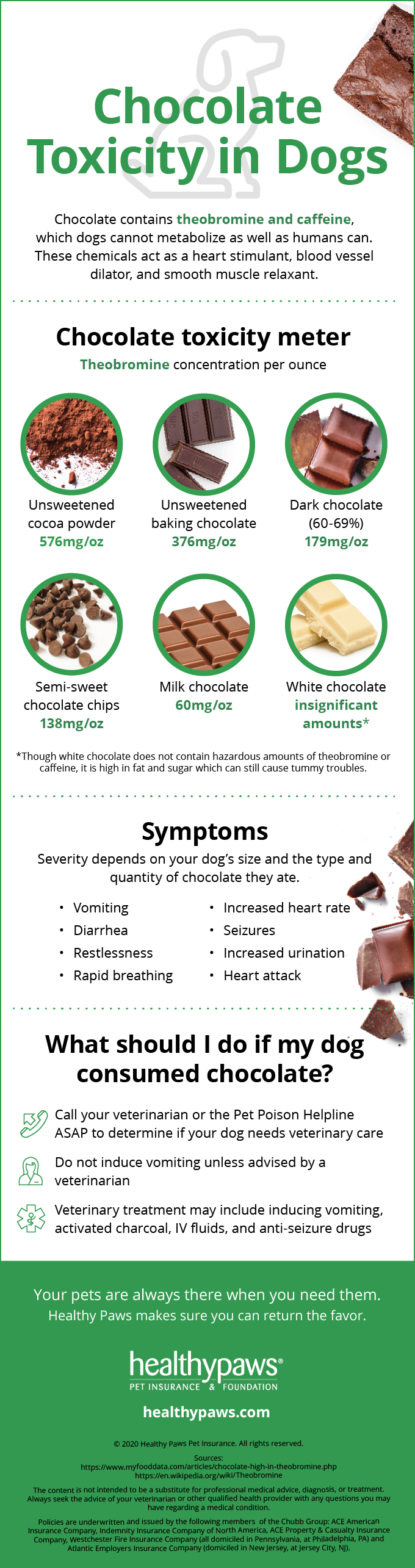
Theobromine is a stimulant that is found in chocolate. It is similar to caffeine and can cause a range of symptoms in dogs. Dogs are unable to metabolize theobromine as quickly as humans, which means that it can build up in their system and cause toxicity.
Symptoms of Chocolate Toxicity in Dogs

The symptoms of chocolate toxicity in dogs can vary depending on the amount of chocolate consumed and the size of the dog. Some of the common symptoms include:
- Vomiting
- Diarrhea
- Increased thirst
- Restlessness
- Rapid breathing
- Increased heart rate
- Tremors or seizures
- Hyperactivity
If you notice any of these symptoms in your dog and suspect that they may have consumed chocolate, it is important to seek veterinary care immediately.
Types of Chocolate That Are Dangerous for Dogs

While all types of chocolate are dangerous for dogs, some are more toxic than others. Dark chocolate and baking chocolate contain higher levels of theobromine and are therefore more dangerous for dogs. Milk chocolate and white chocolate contain lower levels of theobromine and are less toxic, but can still cause symptoms in dogs.
What to Do If Your Dog Eats Chocolate

If you suspect that your dog has eaten chocolate, it is important to seek veterinary care immediately. Your vet may induce vomiting or administer activated charcoal to help absorb the theobromine. In severe cases, hospitalization may be necessary.
Preventing Chocolate Toxicity in Dogs
The best way to prevent chocolate toxicity in dogs is to keep all chocolate and chocolate-containing products out of their reach. This includes candy, baked goods, and cocoa powder. If you have a dog, it is important to keep chocolate in a secure location where they cannot access it.
Conclusion
Chocolate can be a dangerous treat for dogs. Theobromine, a chemical found in chocolate, is toxic to dogs and can cause a range of symptoms, from mild to severe. If you suspect that your dog has eaten chocolate, it is important to seek veterinary care immediately. The best way to prevent chocolate toxicity in dogs is to keep all chocolate and chocolate-containing products out of their reach.
Related video of Effects Of Chocolate On Dogs Symptoms
An electrocardiogram (ECG) is a medical test that detects and records the electrical activity of the heart. This test is often used to diagnose heart problems such as arrhythmias, heart attacks, and heart failure. However, it's also possible to have a normal ECG reading, which means that your heart is functioning properly. In this article, we'll discuss what a normal ECG looks like and what it means.
What is an ECG?
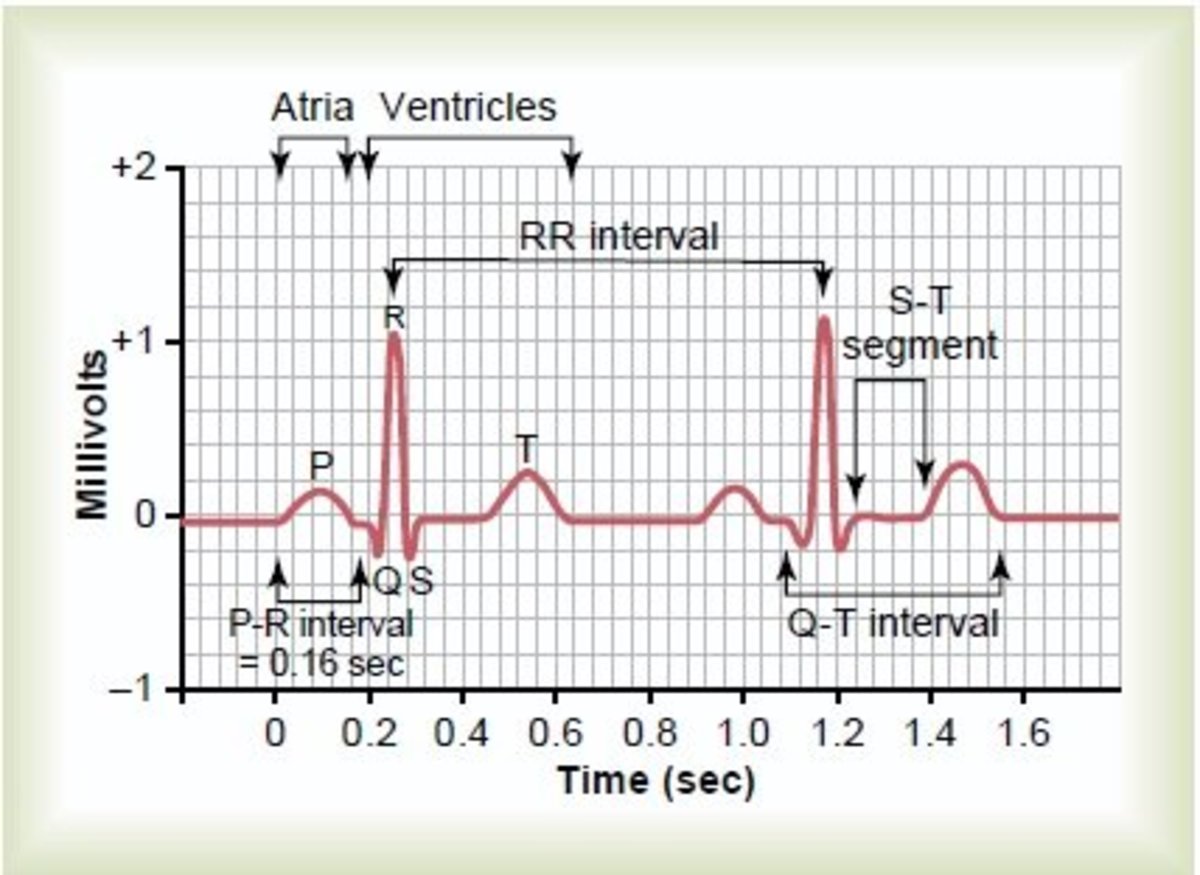
An ECG is a non-invasive test that measures the electrical activity of the heart. It involves placing electrodes on the skin of the chest, arms, and legs, which then record the electrical signals produced by the heart. These signals are then displayed on a screen or paper in the form of a graph. The test is painless and usually takes only a few minutes to complete.
What does a normal ECG look like?

A normal ECG reading will show a wave-like pattern that represents the electrical activity of the heart. The pattern consists of several different waves and segments, each of which represents a different activity of the heart. The P wave represents the atrial depolarization, the QRS complex represents the ventricular depolarization, and the T wave represents the ventricular repolarization.
What does a normal ECG mean?

A normal ECG reading means that the electrical activity of your heart is functioning properly. It doesn't necessarily mean that you have a healthy heart, but it does mean that your heart is beating correctly and the electrical signals are being transmitted efficiently. A normal ECG can be used as a baseline for future tests, allowing doctors to compare any changes in your heart's electrical activity.
What factors can affect an ECG reading?
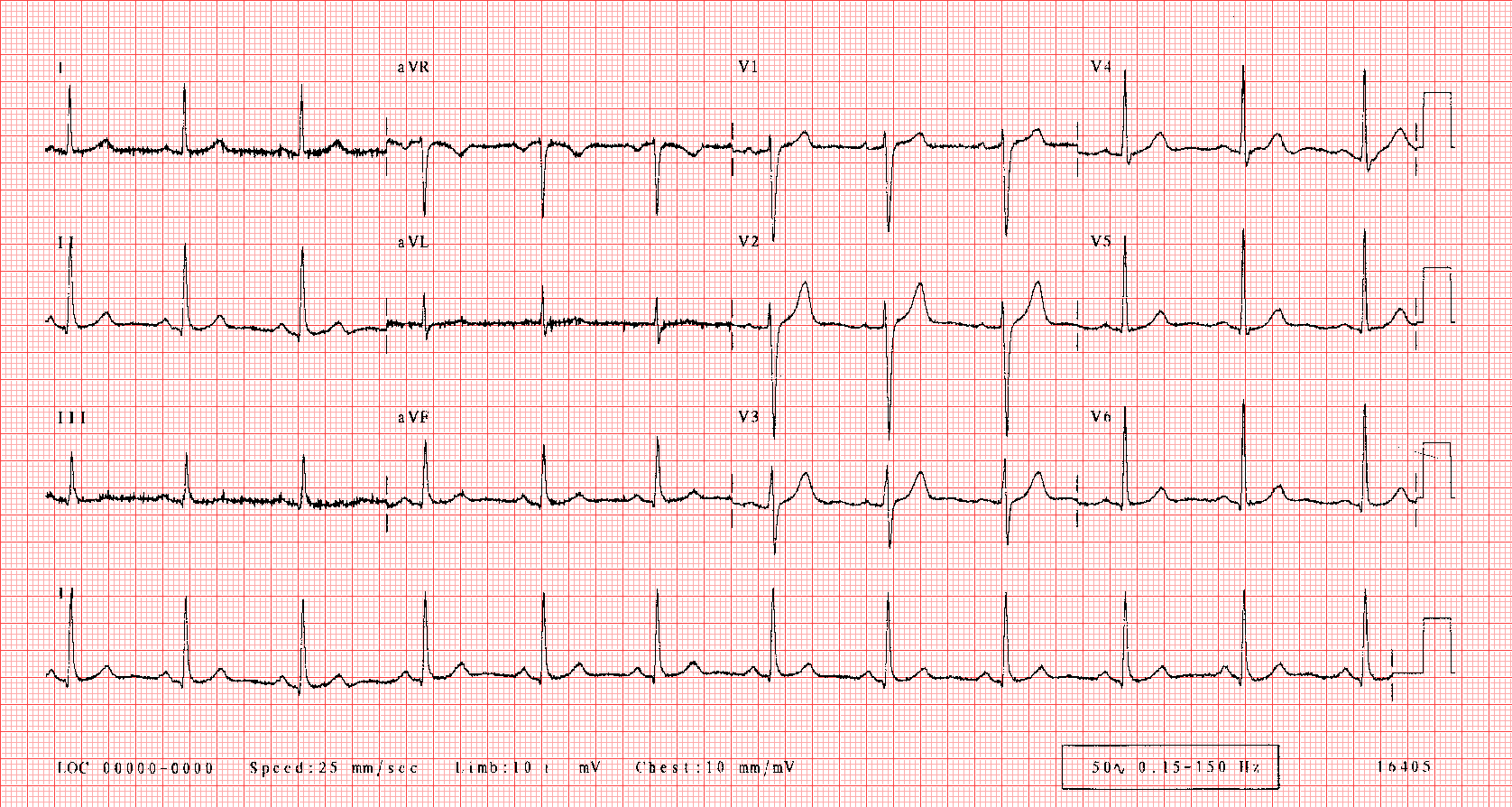
Several factors can affect an ECG reading, including age, sex, physical activity, medication use, and underlying medical conditions. For example, an older person may have a slower heart rate, which can affect the ECG pattern. Similarly, certain medications can alter the electrical activity of the heart and produce abnormal ECG readings. It's important to provide your doctor with a complete medical history to ensure accurate interpretation of the test results.
Conclusion
A normal ECG reading is a sign that your heart is functioning properly and transmitting electrical signals efficiently. However, it's important to remember that an ECG is just one test and doesn't provide a complete picture of your heart's health. If you have concerns about your heart health, it's important to speak with your doctor and undergo additional tests as necessary.
Related video of Ecg Of Normal Person

Introduction
Have you ever heard someone say "eat worms and die"? It's a phrase used to express disgust or disdain towards someone or something. But did you know that some people actually eat worms as a delicacy? In this article, we'll explore the world of worm eating and its potential health benefits.
The History of Worm Eating

Worms have been eaten by humans for thousands of years, dating back to ancient cultures such as the Aztecs and the Romans. In some cultures, worms are considered a delicacy and are even served in high-end restaurants. Today, worm eating is still practiced in many parts of the world, particularly in Asia and Africa.
The Health Benefits of Worms

Believe it or not, worms are actually quite nutritious. They are high in protein and low in fat, making them a great source of lean protein. Worms are also rich in vitamins and minerals, including iron and calcium. Some studies even suggest that worms may have anti-inflammatory properties and can help boost the immune system.
The Different Types of Worms You Can Eat

There are many different types of worms that can be eaten, including mealworms, earthworms, and silk worms. Each type of worm has its own unique texture and flavor. Mealworms, for example, are crunchy and nutty, while silk worms are soft and creamy.
How to Prepare Worms for Eating

Before you can eat worms, you need to prepare them. The first step is to clean and gut the worms, removing any dirt or debris. Then, you can either cook the worms or eat them raw. Cooked worms can be fried, roasted, or boiled, while raw worms can be eaten as a snack or added to salads.
Is It Safe to Eat Worms?

While eating worms is generally safe, there are some risks to consider. Raw worms can carry parasites or bacteria, which can cause food poisoning. It's important to cook worms thoroughly before eating them. Additionally, some people may have an allergic reaction to worms, so it's important to start with a small amount and monitor your body's response.
Why Do People Eat Worms?

There are many reasons why people eat worms. In some cultures, worms are considered a delicacy and are served at special occasions or ceremonies. In other cases, people may eat worms as a source of protein during times of food scarcity. Some people also eat worms as a form of dare or challenge.
The Ethics of Worm Eating

While some people may find the idea of eating worms repulsive, it's important to consider the ethics of worm eating. Worms are a sustainable and environmentally-friendly source of protein, and they can be raised without the use of antibiotics or hormones. Additionally, some proponents of worm eating argue that it's no different from eating other types of animals, such as cows or chickens.
The Future of Worm Eating

As the world population continues to grow and resources become more scarce, worm eating may become more common. Some experts predict that insects, including worms, may become a more mainstream source of protein in the future. While the idea of eating worms may be hard to stomach for some, it's important to consider the potential health and environmental benefits.
Conclusion
So, there you have it - a comprehensive guide to worm eating. While it may not be for everyone, eating worms can be a nutritious and sustainable source of protein. As always, it's important to consider the potential risks and benefits before trying any new food. Bon appétit!
Related video of Eat Worms And Die: A Comprehensive Guide

The Cold War was a state of geopolitical tension between the Western Bloc, led by the United States, and the Eastern Bloc, led by the Soviet Union, that lasted from 1947 to 1991. The early years of the Cold War were marked by a series of events that set the stage for the decades-long conflict.
Origins of the Cold War

The origins of the Cold War can be traced back to the end of World War II. The United States and the Soviet Union emerged as the two superpowers of the world, but they had vastly different ideologies. The United States was a capitalist democracy, while the Soviet Union was a communist state. The two nations were suspicious of each other's intentions and interests.
The first major event of the Cold War took place in 1947 when the United States announced the Truman Doctrine. This policy was aimed at containing Soviet expansion and preventing the spread of communism. The United States provided economic and military aid to countries threatened by communist expansion, such as Greece and Turkey.
The Berlin Blockade

In 1948, the Soviet Union imposed a blockade on Berlin, cutting off all land, air, and water access to the city. The United States responded by launching a massive airlift, delivering food, fuel, and supplies to the people of Berlin. The blockade lasted for almost a year, but the United States and its allies successfully kept the city supplied.
The Korean War

In 1950, North Korea invaded South Korea, igniting the Korean War. The United States and its allies intervened to support South Korea, while the Soviet Union and China supported North Korea. The war lasted for three years and resulted in a stalemate, with the two Koreas remaining divided to this day.
The Cuban Revolution

In 1959, Fidel Castro led a revolution in Cuba, overthrowing the U.S.-backed dictator Fulgencio Batista. The Soviet Union saw an opportunity to gain a foothold in the Western Hemisphere and began providing economic and military aid to Cuba. The United States responded with a trade embargo and a failed attempt to overthrow Castro in the Bay of Pigs invasion.
The Space Race

In the late 1950s and early 1960s, the United States and the Soviet Union engaged in a competition to explore space. This competition, known as the Space Race, saw the two nations develop new technologies and achieve many milestones in space exploration. The Soviet Union became the first nation to launch a satellite, while the United States became the first nation to land a man on the moon.
The Arms Race

The Cold War was also marked by an arms race between the United States and the Soviet Union. Both nations developed and stockpiled nuclear weapons, leading to a dangerous standoff known as Mutually Assured Destruction (MAD). The arms race was a major factor in the tensions between the two superpowers.
The Bay of Pigs Invasion

In 1961, the United States attempted to overthrow Fidel Castro in Cuba with a covert operation called the Bay of Pigs invasion. The plan was a failure, with the Cuban forces easily defeating the U.S.-backed rebels. The invasion embarrassed the United States and strengthened the Soviet Union's position in the Cold War.
The Cuban Missile Crisis

In 1962, the Soviet Union began installing nuclear missiles in Cuba, just 90 miles from the United States. The United States responded with a naval blockade and demanded the removal of the missiles. The standoff lasted for almost two weeks and brought the world to the brink of nuclear war. Eventually, the Soviet Union agreed to remove the missiles in exchange for a U.S. promise not to invade Cuba.
The Vietnam War

The Vietnam War was a conflict between communist North Vietnam and U.S.-backed South Vietnam that lasted from 1955 to 1975. The war was a major source of tension between the United States and the Soviet Union, with the Soviet Union providing military and economic aid to North Vietnam. The war ended with the fall of Saigon and the unification of Vietnam under communist rule.
The Prague Spring

In 1968, Czechoslovakia experienced a period of political liberalization known as the Prague Spring. The Soviet Union, fearing the spread of democracy and dissent, invaded Czechoslovakia and installed a pro-Soviet government. The invasion highlighted the Soviet Union's willingness to use force to maintain its control over Eastern Europe.
The Strategic Arms Limitation Talks (SALT)

In the 1970s, the United States and the Soviet Union engaged in a series of talks aimed at reducing the number of nuclear weapons in their arsenals. These talks, known as the Strategic Arms Limitation Talks (SALT), resulted in two treaties that limited the number of nuclear weapons each side could possess. The treaties were an important step in reducing tensions between the two superpowers.
The Soviet Invasion of Afghanistan

In 1979, the Soviet Union invaded Afghanistan, sparking a long and bloody conflict. The United States and its allies provided support to the Afghan resistance, known as the Mujahideen, which played a significant role in defeating the Soviet forces. The war was a major drain on the Soviet Union's resources and contributed to its eventual collapse.
The Fall of the Berlin Wall

In 1989, the Berlin Wall, which had symbolized the divide between East and West during the Cold War, was torn down. This event marked the beginning of the end of the Cold War and the reunification of Germany. The collapse of the Soviet Union in 1991 marked the end of the Cold War.
Conclusion
The early years of the Cold War were marked by a series of events that set the stage for the decades-long conflict. The United States and the Soviet Union engaged in a competition for power and influence that shaped the world for generations. The Cold War was a defining period of the 20th century, and its legacy continues to be felt today.